

Milos 2026 | Hotels, Ferries & Things To Do
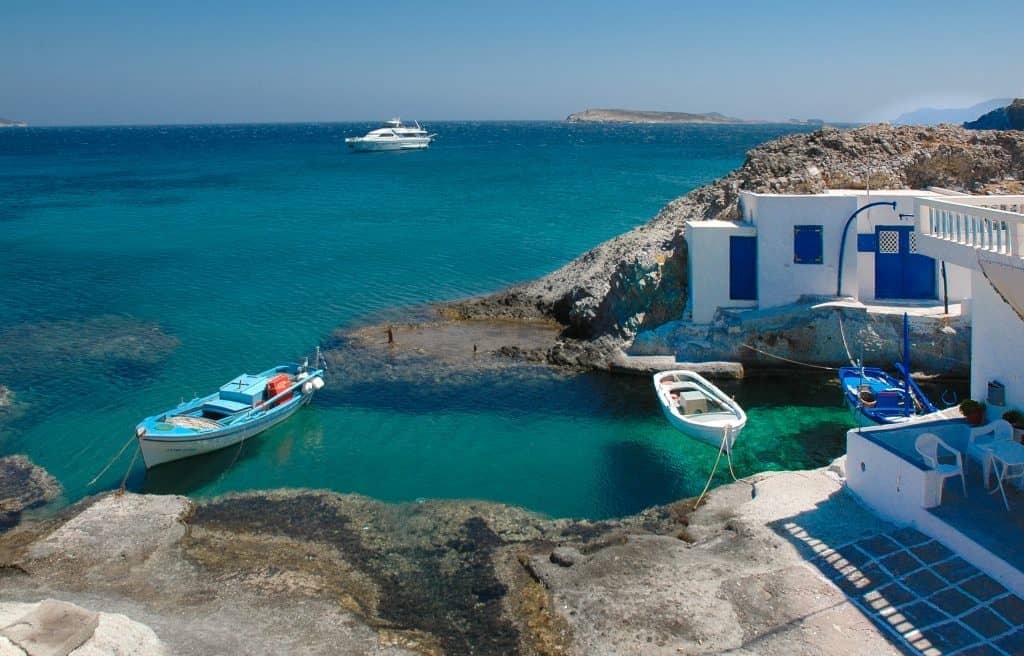
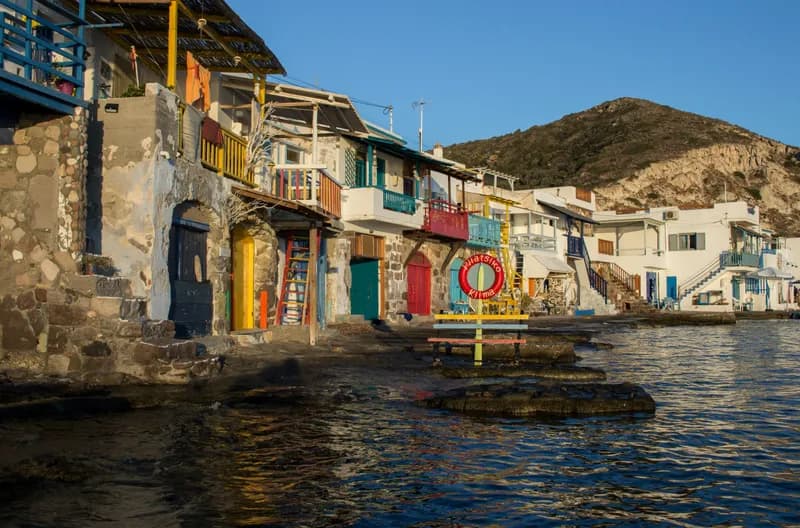
Book Milos hotels near Sarakiniko's lunar beach, compare ferries from Athens in 3.5hrs, and explore 70 sea caves and colourful Klima fishermen's houses.
Explore 24 unique islands, from popular hotspots to hidden gems.
Compare ferries, flights, and car rentals for the perfect journey.
Find luxury villas, boutique hotels, and authentic stays.
Book top-rated tours, cruises, and local experiences.
Let Touristas AI create your perfect island-hopping itinerary.
Book Milos hotels near Sarakiniko's lunar beach, compare ferries from Athens in 3.5hrs, and explore 70 sea caves and colourful Klima fishermen's houses.
26°
Celsius
Sunny with sea breeze
"Where earth paints with fire and water"
0.0M+
0+
0+
4.9/5
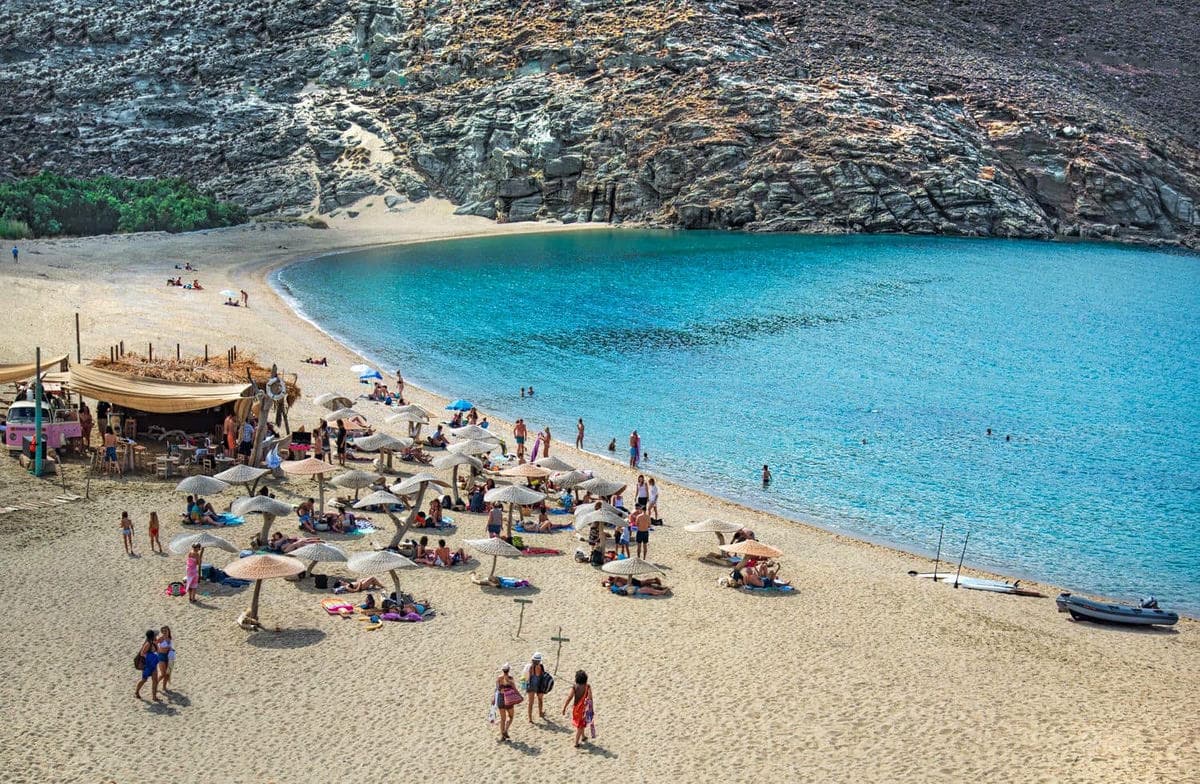
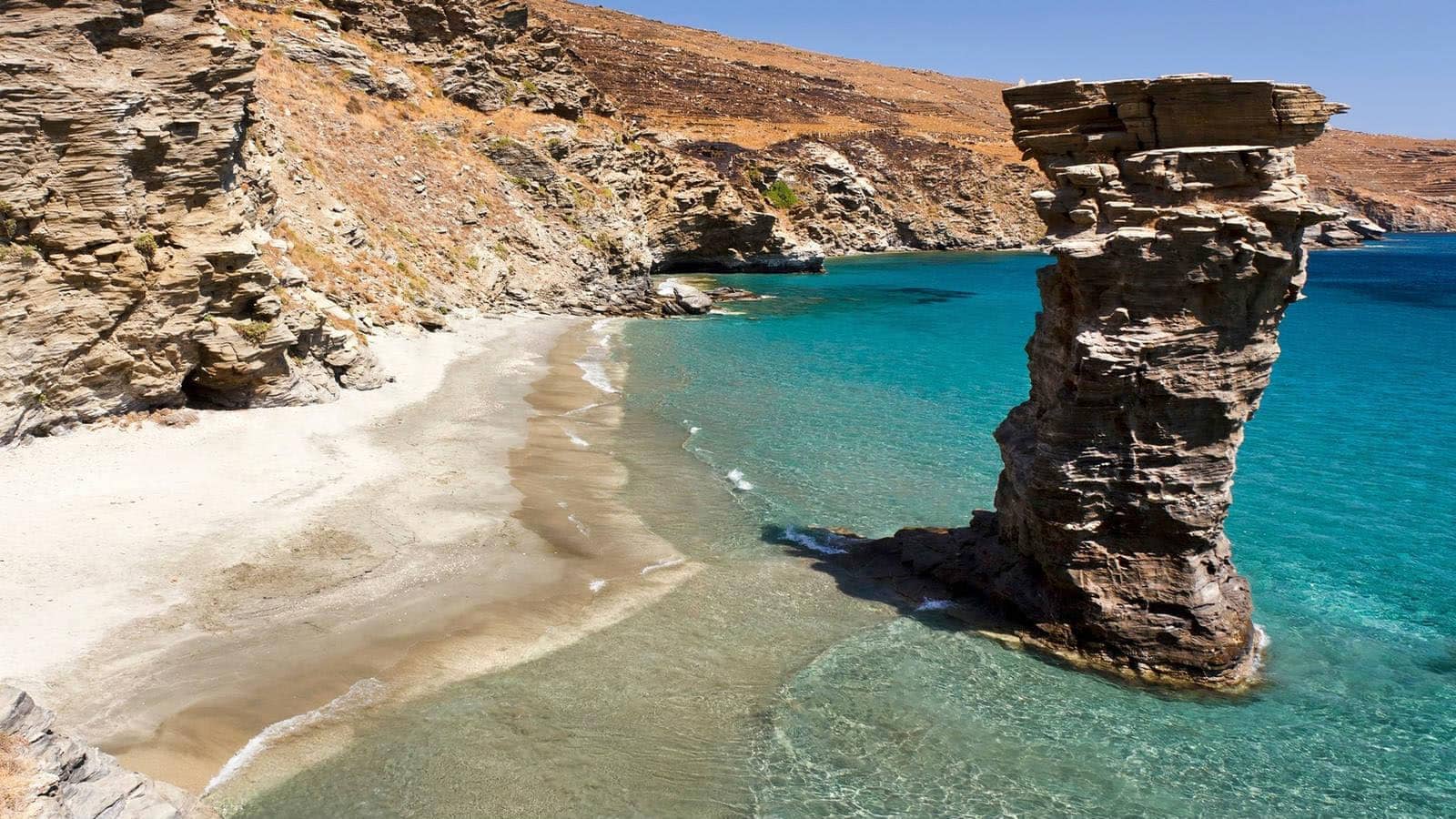
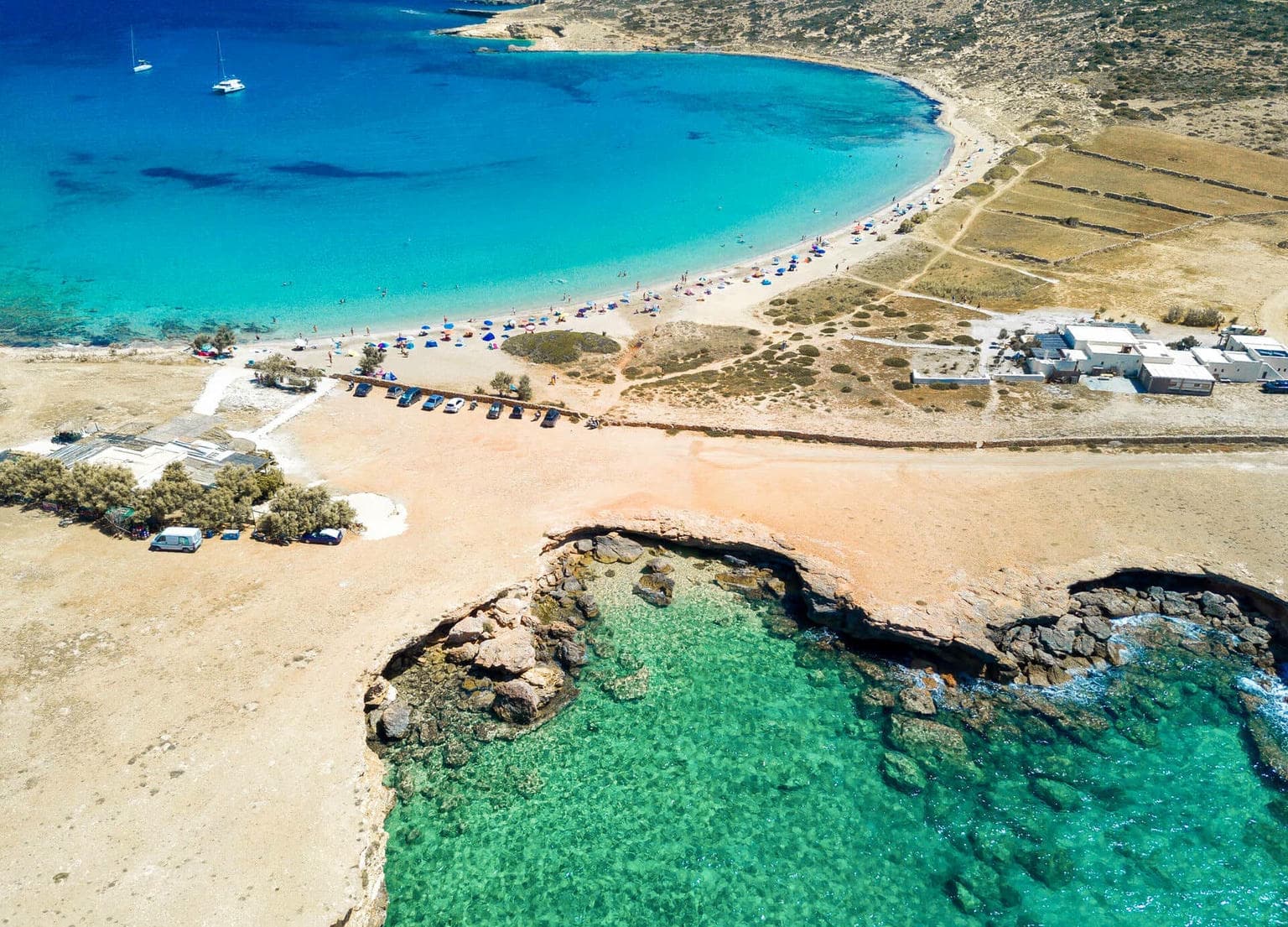
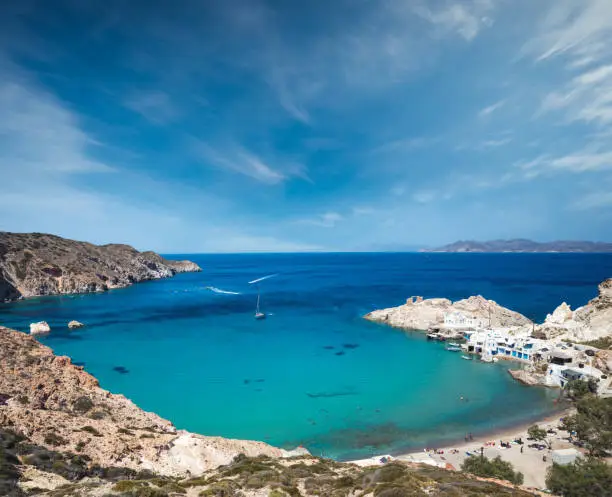
Milos unveils nature's artistic masterpiece through volcanic forces that sculpted over 70 beaches into a rainbow of colors. From the otherworldly white rocks of Sarakiniko to the dramatic sea caves of Kleftiko, this geological wonderland offers landscapes found nowhere else in Greece. The birthplace of the Venus de Milo statue combines adventure with authentic island life.
Perfect for
Milos · Cyclades, Greece
Must Experience
Sarakiniko lunar landscape
Sarakiniko
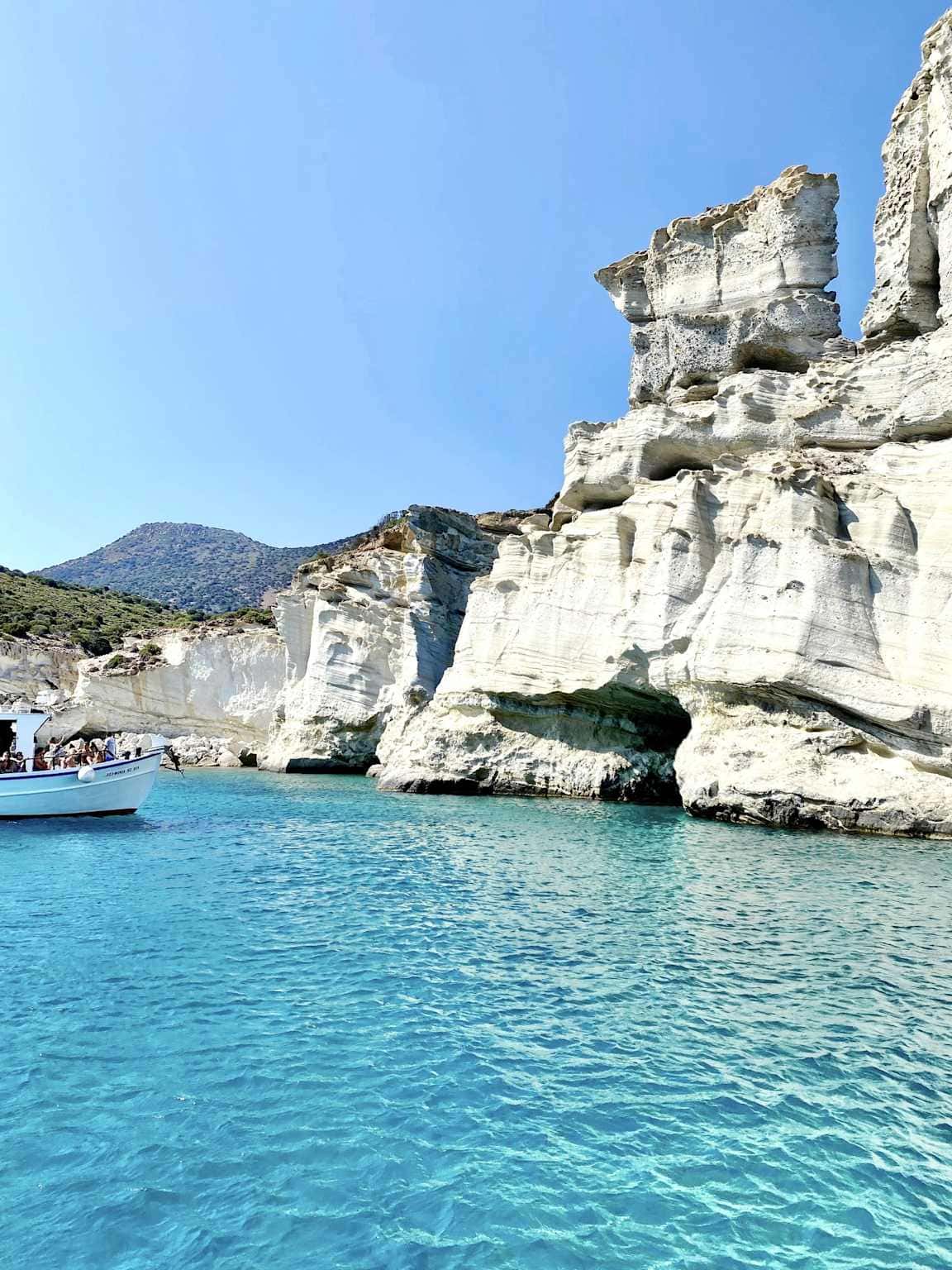
Kleftiko sea caves
Kleftiko
Colorful beach spectrum
Plaka
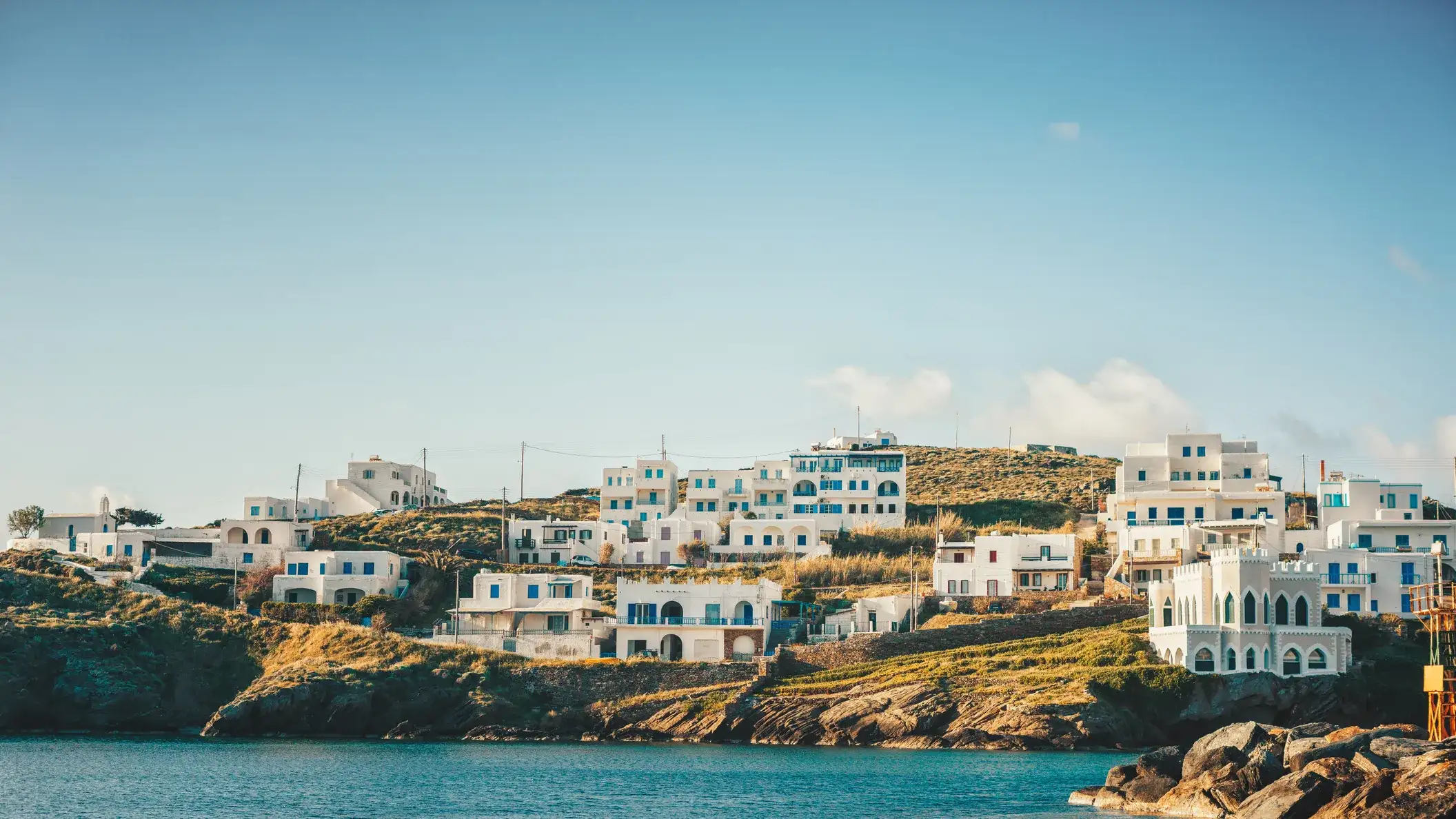
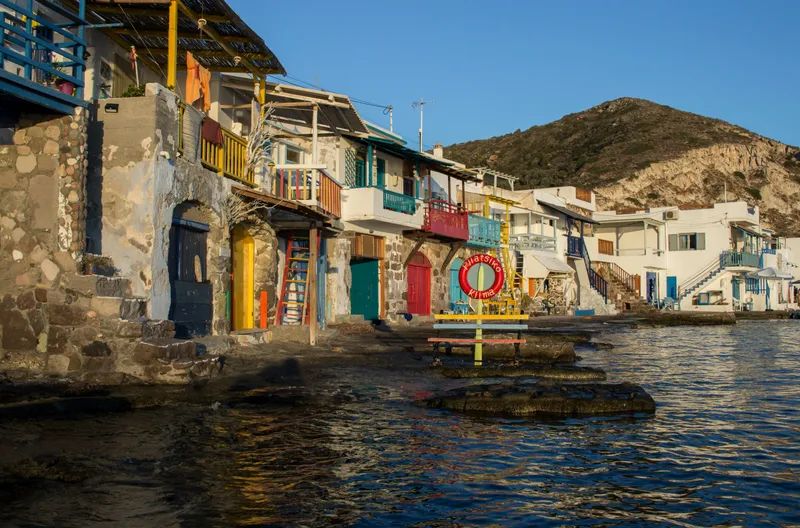
Traditional fishing villages
Catacombs
Geothermal hot springs
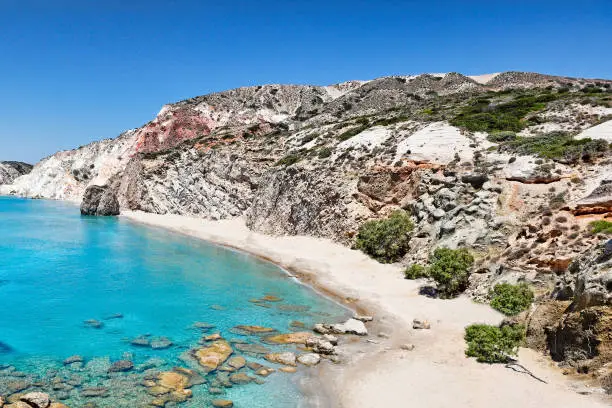
Firiplaka Beach
Visual Journey
Travel Guide
Regular ferry connections from Piraeus (Athens) and Rafina. High-speed options are available in peak season.
Milos has its own airport with direct connections to Athens and several international destinations.
Search FlightsLocal bus service operates Regular service during summer season.
May-June and Sept-Oct offer perfect weather
Spring
Mar – May
Pleasant and warm, 18-22°C
Summer
Jun – Aug
Hot and dry with temperatures around 26-30°C
Autumn
Sep – Nov
Warm and clear, 20-25°C
Winter
Dec – Feb
Mild with some rain, 12-16°C
Traveler Info
ATMs
Available in Adamas and Plaka
Medical
Milos Health Center in Plaka
Mini Markets
Available in main villages
Post Office
Main office in Adamas
Stay Safe
Save these numbers before you travel. Emergency services in the Cyclades respond quickly but island communication can be limited in remote areas.
Island Hopping
Further Reading
 Activities11 min read
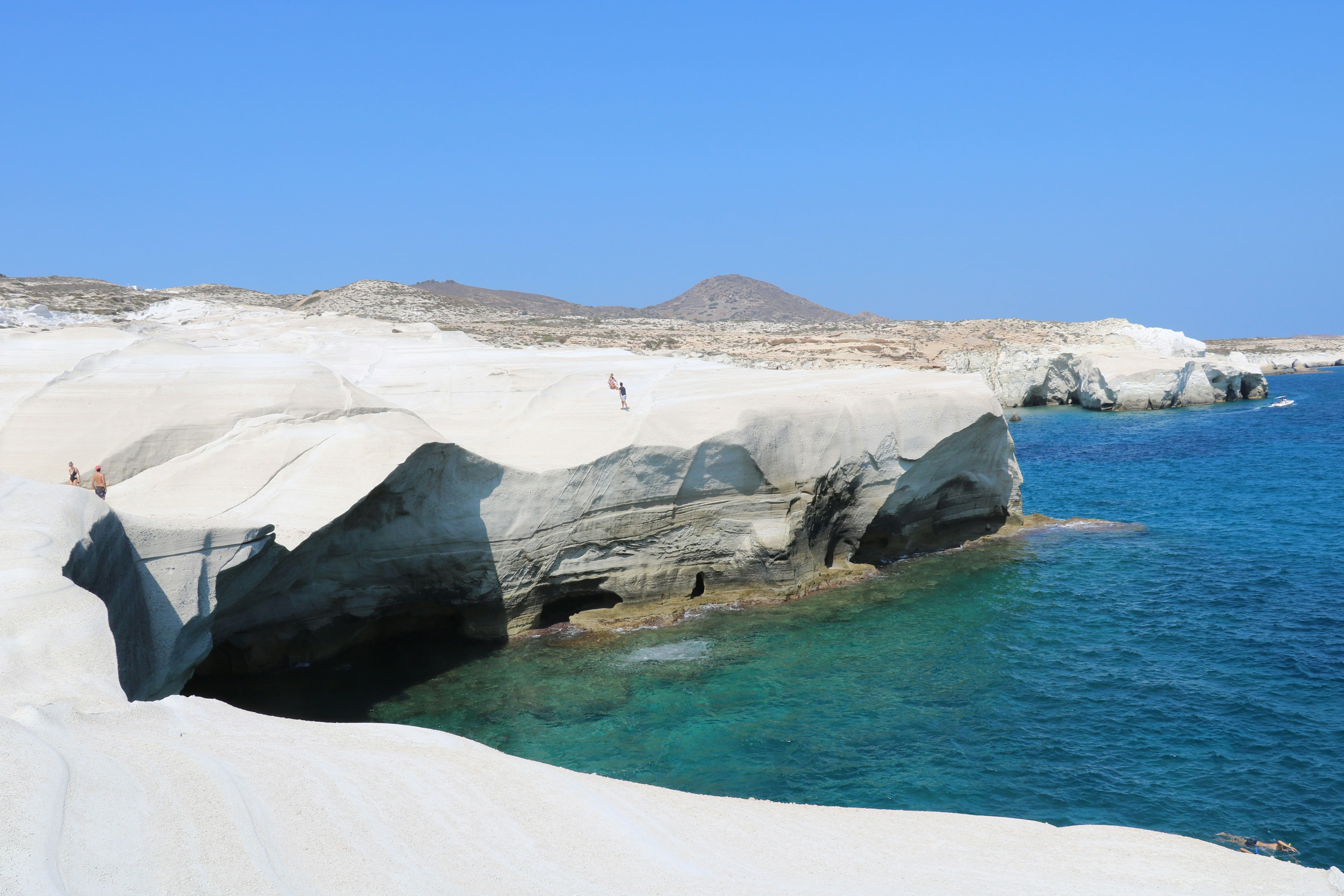
Complete guide to things to do in Milos 2026. Sarakiniko, Kleftiko boat tours, volcanic beaches, ancient catacombs, fishing villages, and local food experiences.
 Comparison8 min read
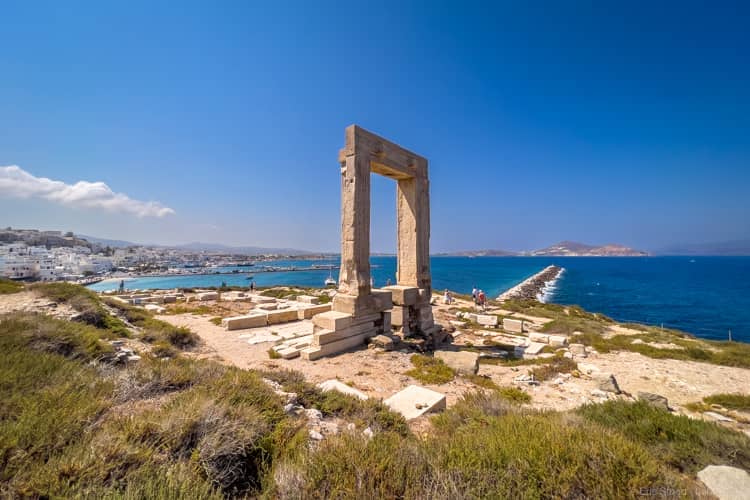
Naxos vs Paros vs Milos 2026. The three best value-for-money Cycladic islands compared for beaches, food, costs, and atmosphere.
 Culture & History28 min read
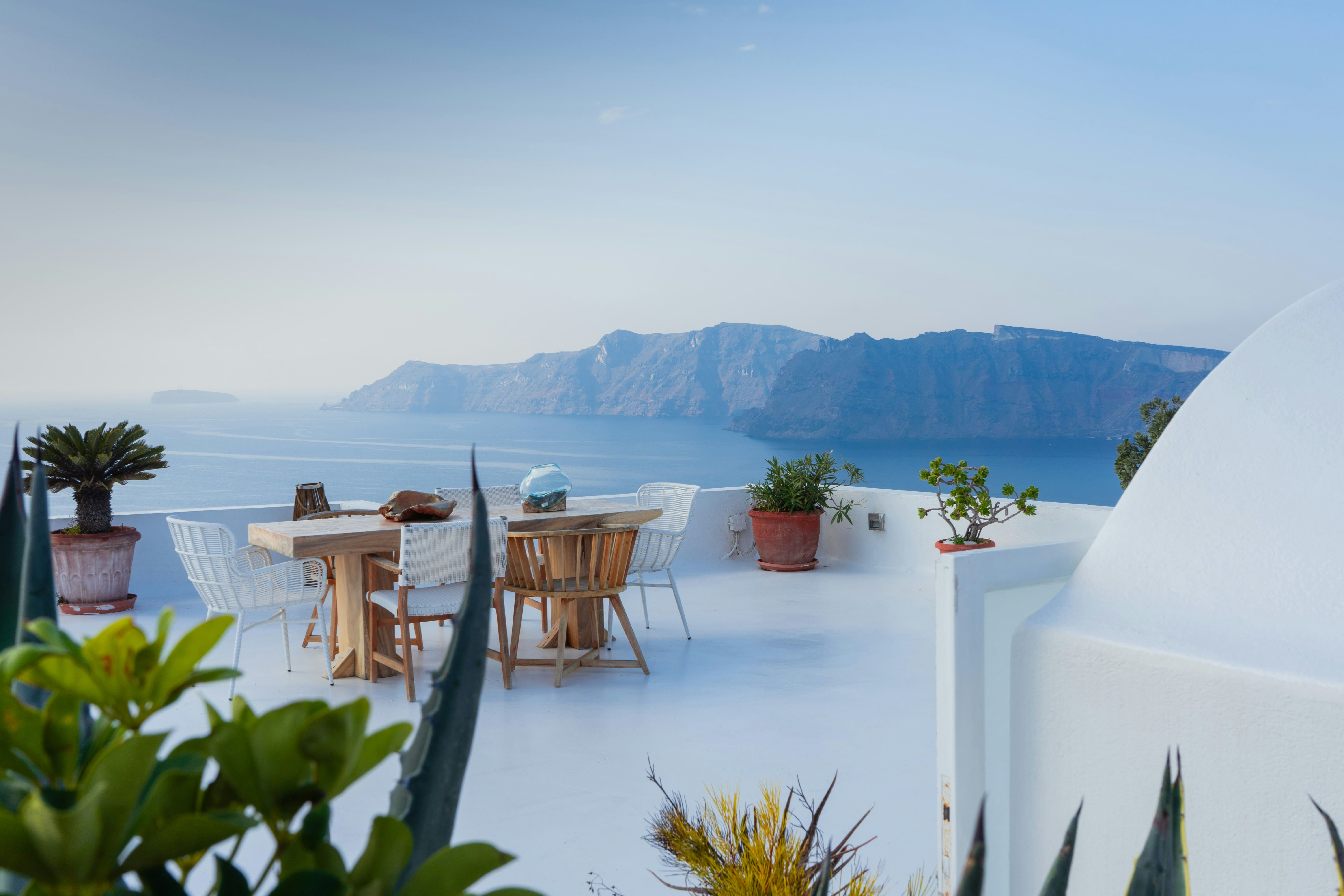
Discover the most magical Easter celebrations across 14 Cyclades islands. Tinos Holy Fire, Santorini fire cans, Sifnos mastelo, Folegandros 3-day procession · complete 2026 Greek Easter guide with ferries, hotels, car rental & activities.
 Island Guides16 min read
Find the best area to stay in Milos for 2026. Honest comparison of Adamas, Plaka, Pollonia, Provatas and the south coast · with price ranges, pros, cons and hotel picks for every type of traveler.
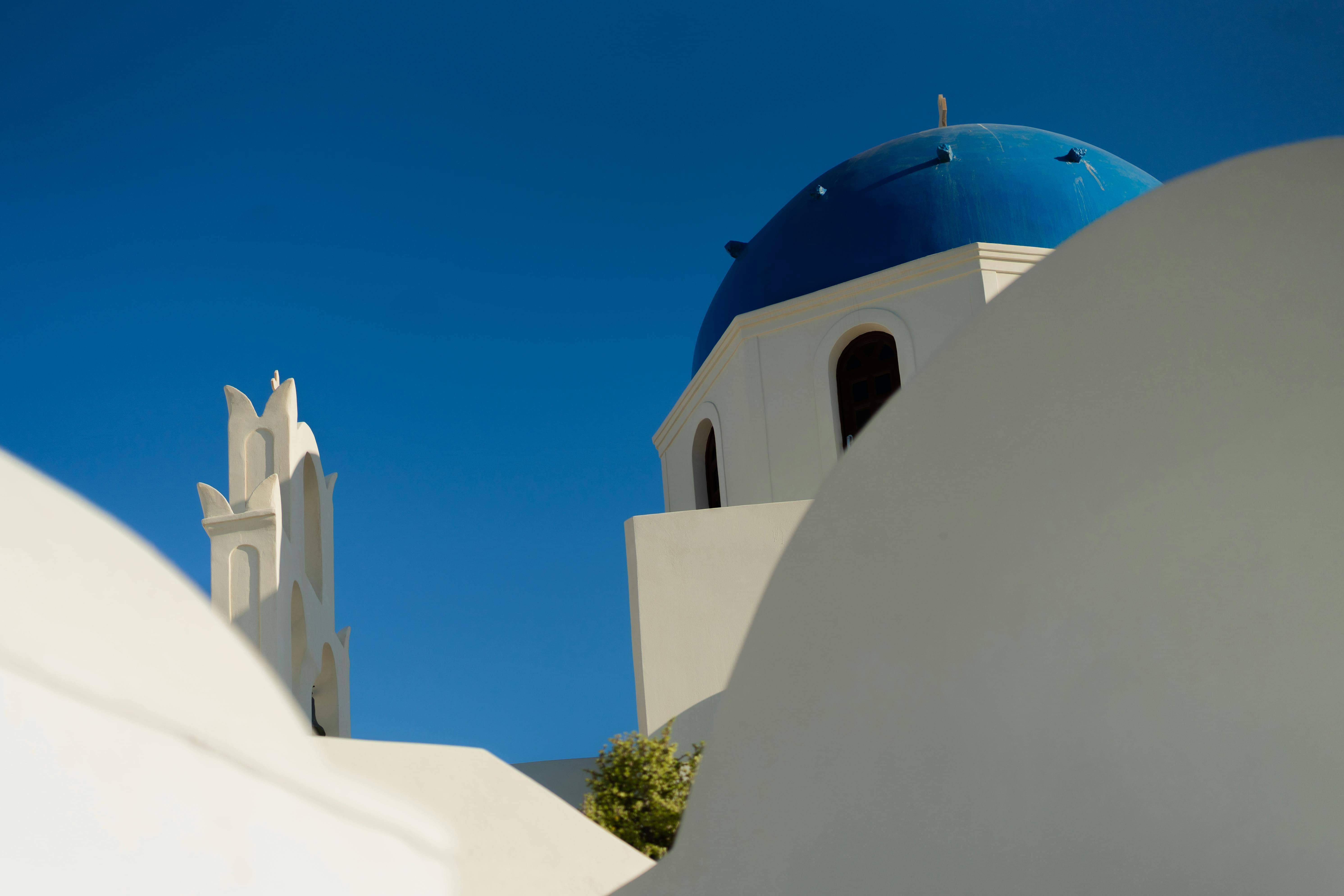 Island Guides6 min read
Milos vs Santorini: Milos wins for beaches (Sarakiniko, Tsigrado) and authenticity. Santorini wins for views and infrastructure. Full 2026 comparison.
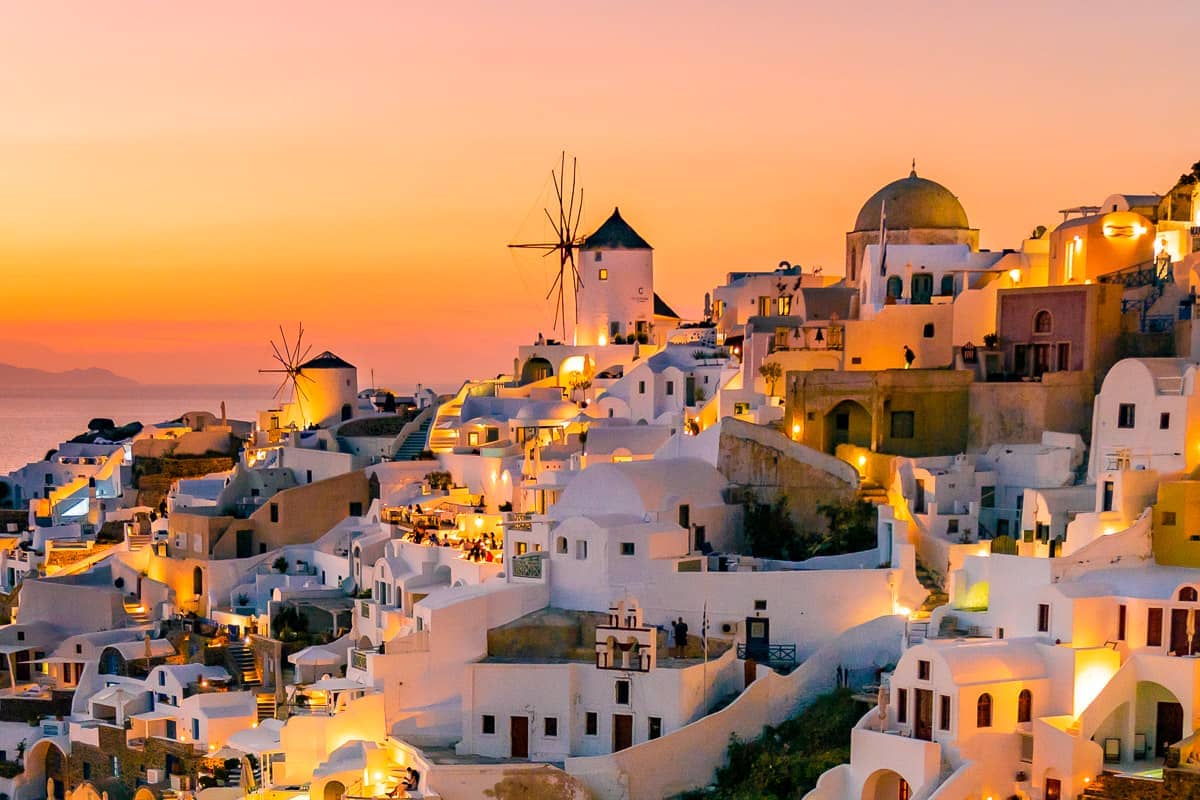 Comparison22 min read
Santorini vs Milos for couples in 2026 · romance, sunset, beaches, dining, costs, and crowds. Which island suits which kind of couple, plus how to combine them.
 Activities8 min read
Everything you need to know about booking a boat tour in Milos in 2026. Compare Kleftiko vs Polyaigos, half-day vs full-day, and catamarans vs sailboats.
More Articles
Explore all blog posts
Explore More
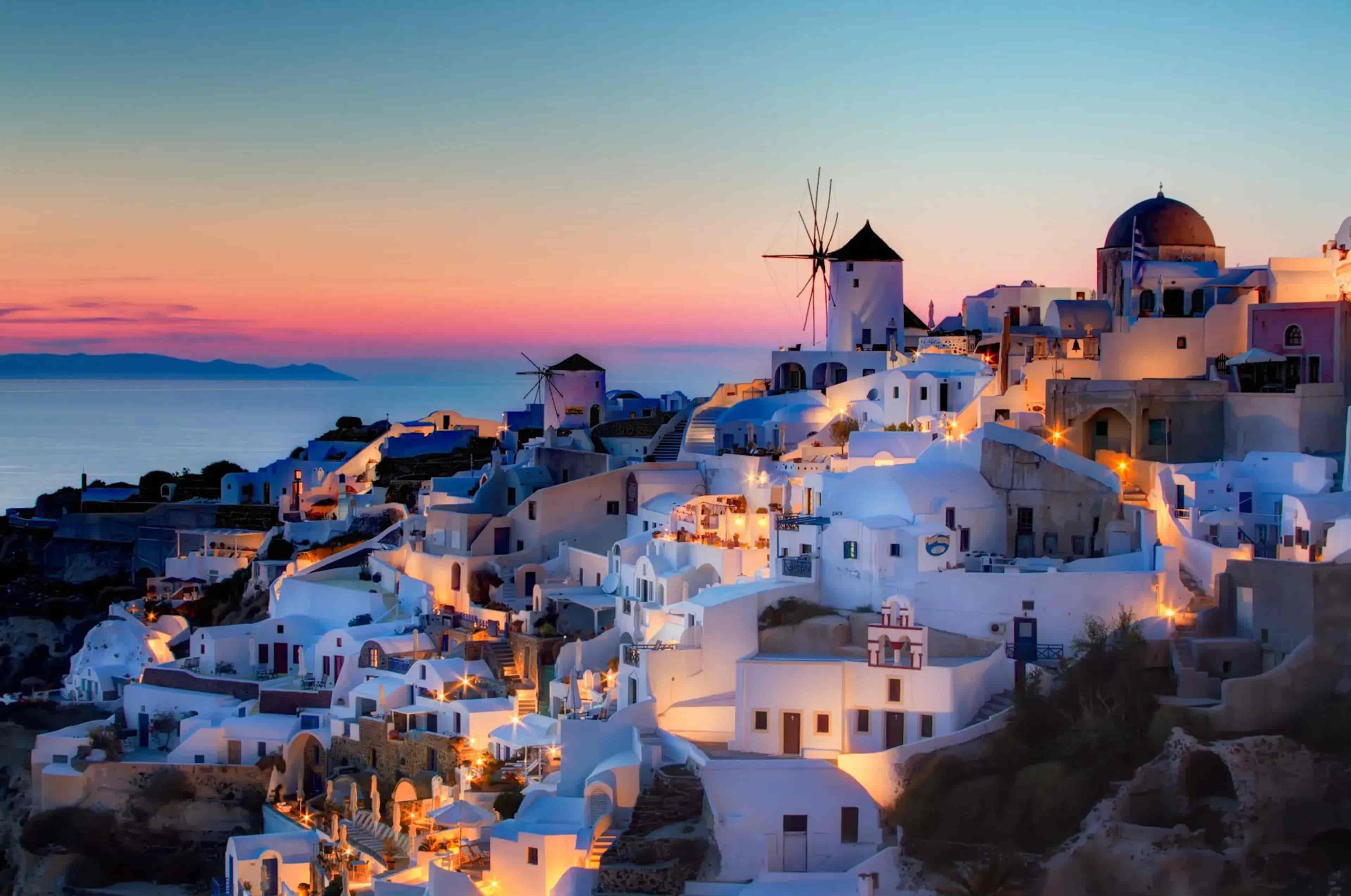
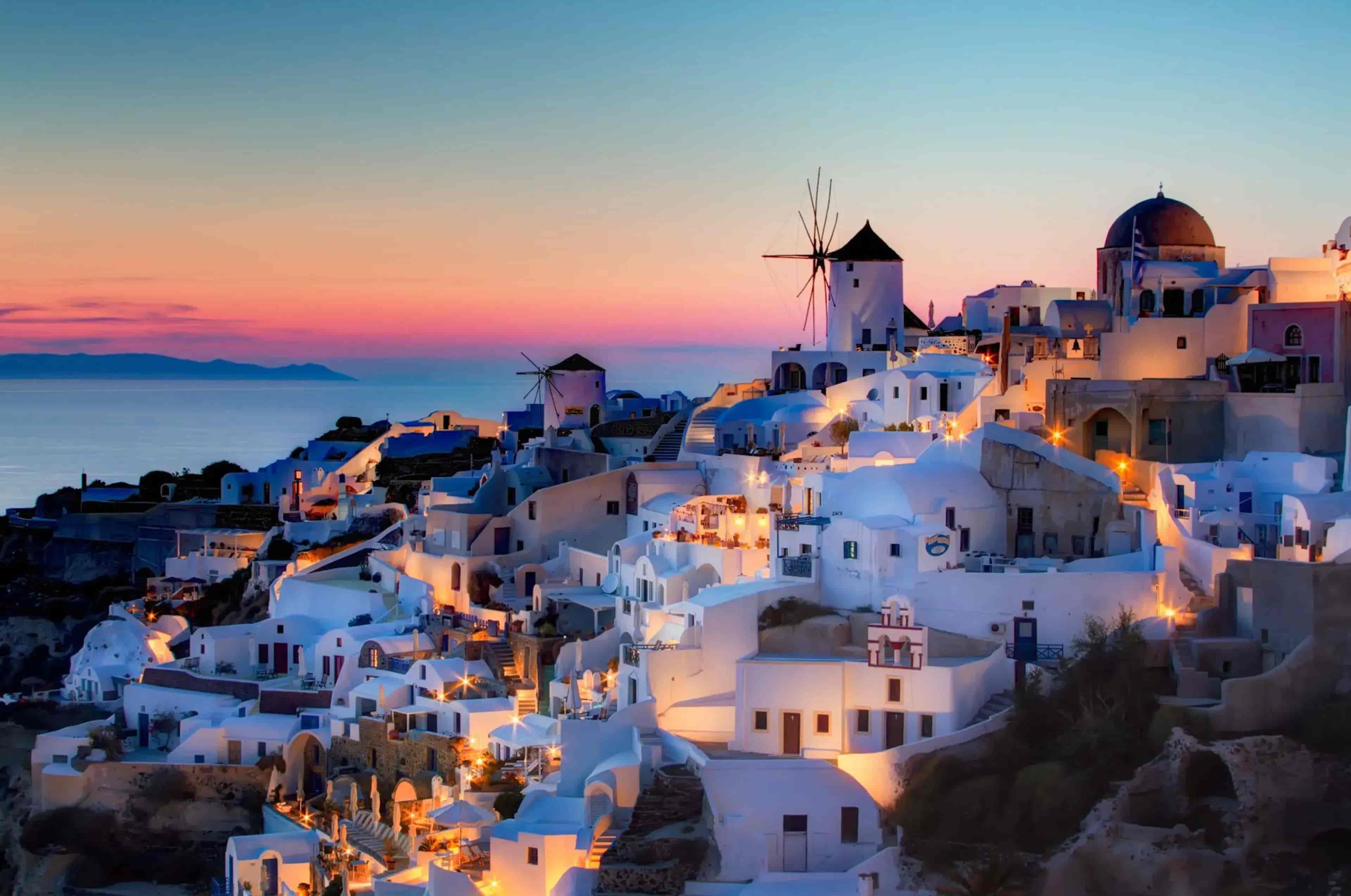
Santorini, the crown jewel of the Cyclades, is a masterpiece of natural beauty and human architecture. Rising dramatically from the Aegean Sea, its iconic caldera was formed by one of the largest volcanic eruptions in history. The island's whitewashed, cubic buildings perch dramatically on multicolored cliffs, creating a stunning contrast against the deep blue sea. Beyond its famous sunsets and caldera views, Santorini offers unique experiences like swimming in volcanic hot springs, exploring ancient Akrotiri (a prehistoric city preserved in volcanic ash), and tasting distinctive wines from grapes grown in volcanic soil. The island's unique architecture, with cave houses carved into the cliffs, reflects centuries of adaptation to the volcanic landscape. From the bustling capital of Fira to the romantic village of Oia, each settlement offers its own charm while maintaining the island's distinctive Cycladic character.
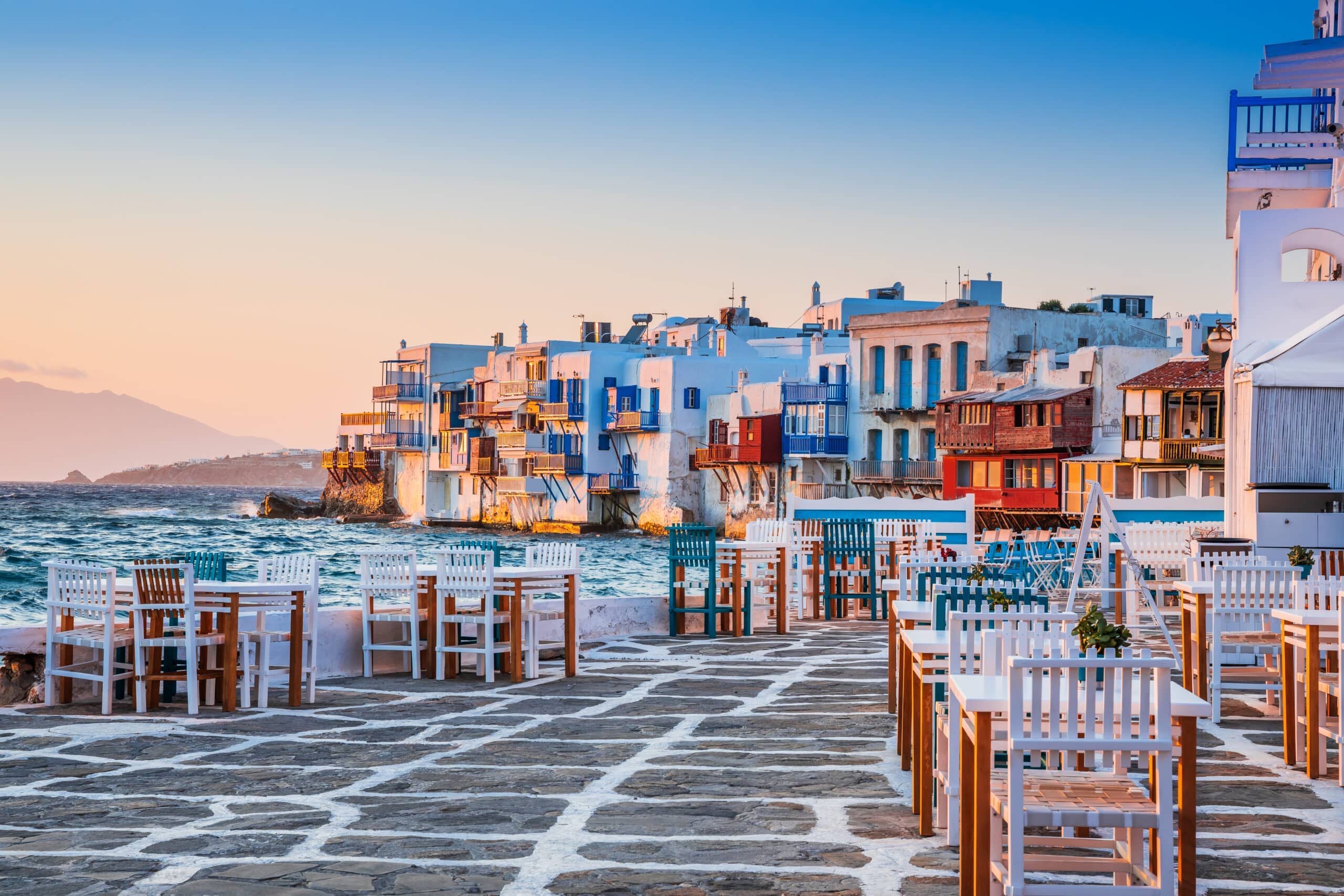
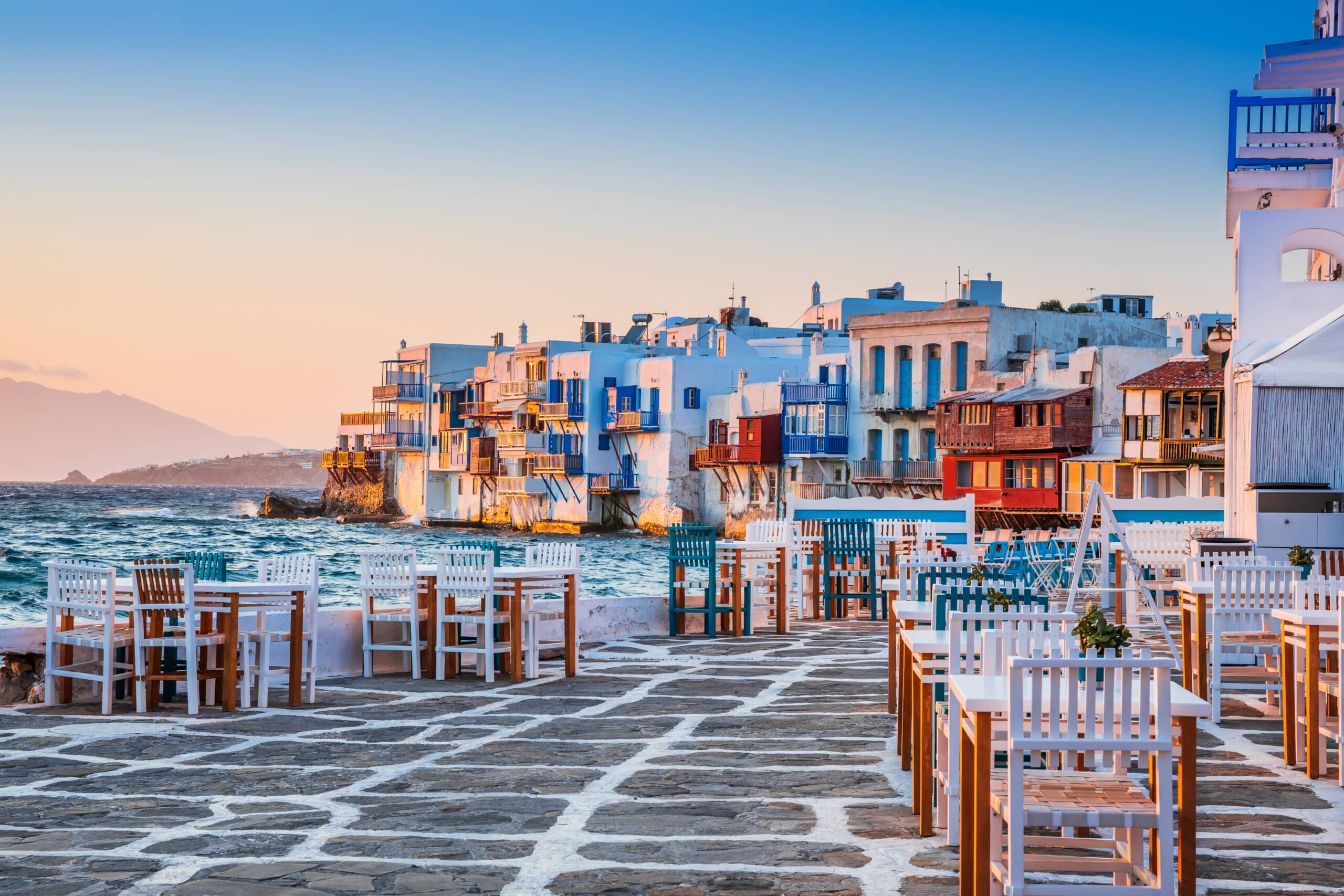
Mykonos, the glamorous star of the Aegean, seamlessly blends traditional Cycladic charm with cosmopolitan luxury. The island's landscape is a captivating mix of windswept hills, iconic windmills, and pristine beaches. Its main town, Chora, is a picturesque maze of narrow marble streets, whitewashed houses with colorful doors, and purple bougainvillea cascading from balconies. The island's legendary nightlife and beach clubs attract celebrities and party-lovers, while its quieter corners still preserve authentic Greek island life. Little Venice, with its medieval houses built right on the sea's edge, offers some of the most romantic sunset views in the Cyclades. The island's beaches range from popular party spots to secluded coves, while its restaurants serve everything from traditional Greek cuisine to world-class fine dining. Despite its reputation for luxury and nightlife, Mykonos maintains its traditional soul through its historic churches, local crafts, and warm island hospitality.
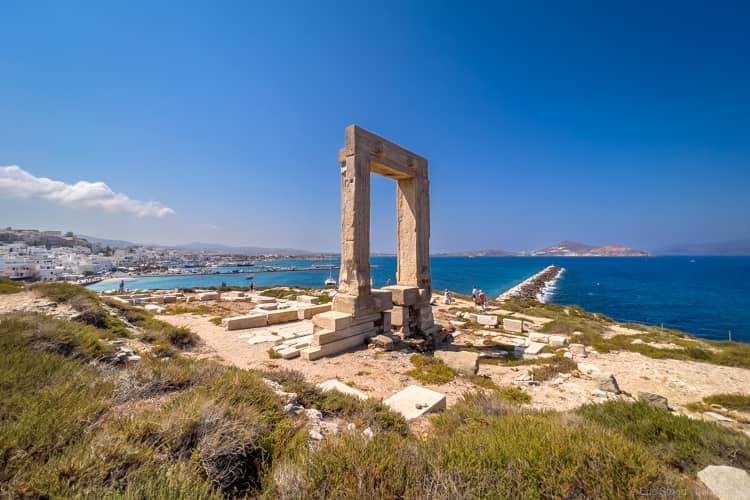
Naxos, the largest and most fertile of the Cyclades, is a diverse island that perfectly balances traditional Greek life with modern tourism. The island's rich mythology claims it as the childhood home of Zeus and the place where Theseus abandoned Ariadne. Its most iconic landmark, the Portara (Apollo's Gate), stands as a massive marble doorway to nowhere, greeting visitors as they enter the harbor. The island's interior is a tapestry of olive groves, vineyards, and traditional mountain villages, each preserving its unique customs and architecture. The western coast boasts some of the finest beaches in the Cyclades, with golden sand and crystal-clear waters perfect for windsurfing. Naxos's culinary scene is renowned for its local products, including its famous potatoes, kitron liqueur, and various cheeses. The island's medieval Kastro area in Naxos Town offers a fascinating glimpse into the island's Venetian past, while the ancient kouros statues lying unfinished in ancient quarries tell tales of the island's ancient marble-working heritage.
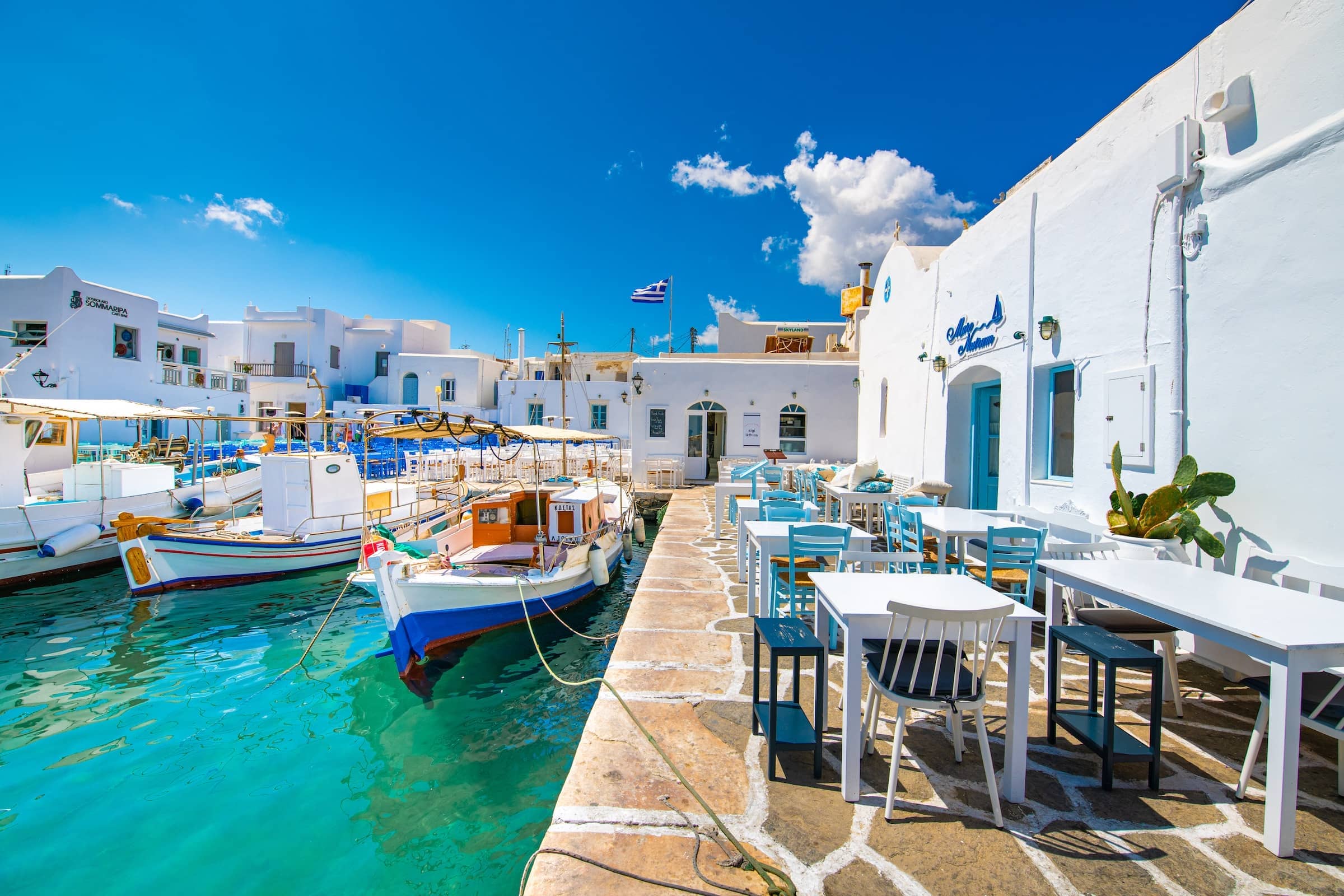
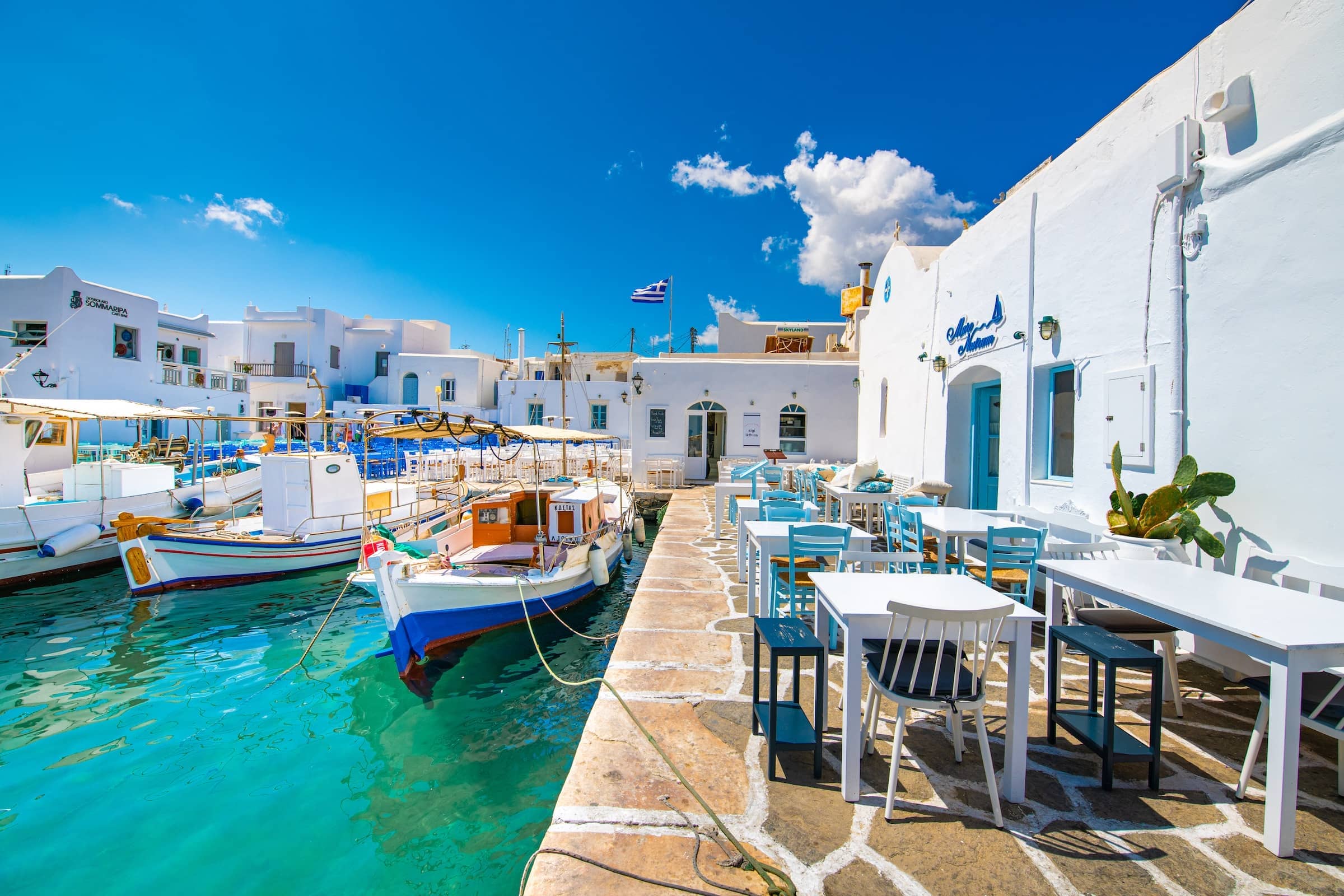
Paros, sitting at the heart of the Cyclades, is an island that masterfully balances cosmopolitan vibe with traditional Greek island life. Famous since antiquity for its fine white marble, used in masterpieces like the Venus de Milo and Napoleon's tomb, the island continues to charm visitors with its elegant architecture and golden beaches. The main town of Parikia, built around an impressive Venetian castle, welcomes visitors with its vibrant waterfront and maze-like old town. In the island's interior, the mountain village of Lefkes offers a glimpse into traditional Cycladic life with its white-washed houses and marble-paved paths. The fishing village of Naoussa, with its picturesque old port and Venetian fortress, has evolved into one of the most sophisticated destinations in the Cyclades, offering high-end dining and shopping while maintaining its authentic character. The island is a watersports paradise, particularly for windsurfing and kitesurfing at Golden Beach and New Golden Beach. The island's network of walking trails, including old miners' paths, leads to hidden chapels, abandoned mines, and sweeping viewpoints. Despite growing tourism, Paros maintains its authentic character, with traditional tavernas serving local specialties like wine from the Moraitis winery and traditional dishes such as gouna (sun-dried mackerel). The island's commitment to sustainable tourism and preservation of its natural beauty makes it a perfect destination for those seeking an authentic Cycladic experience.
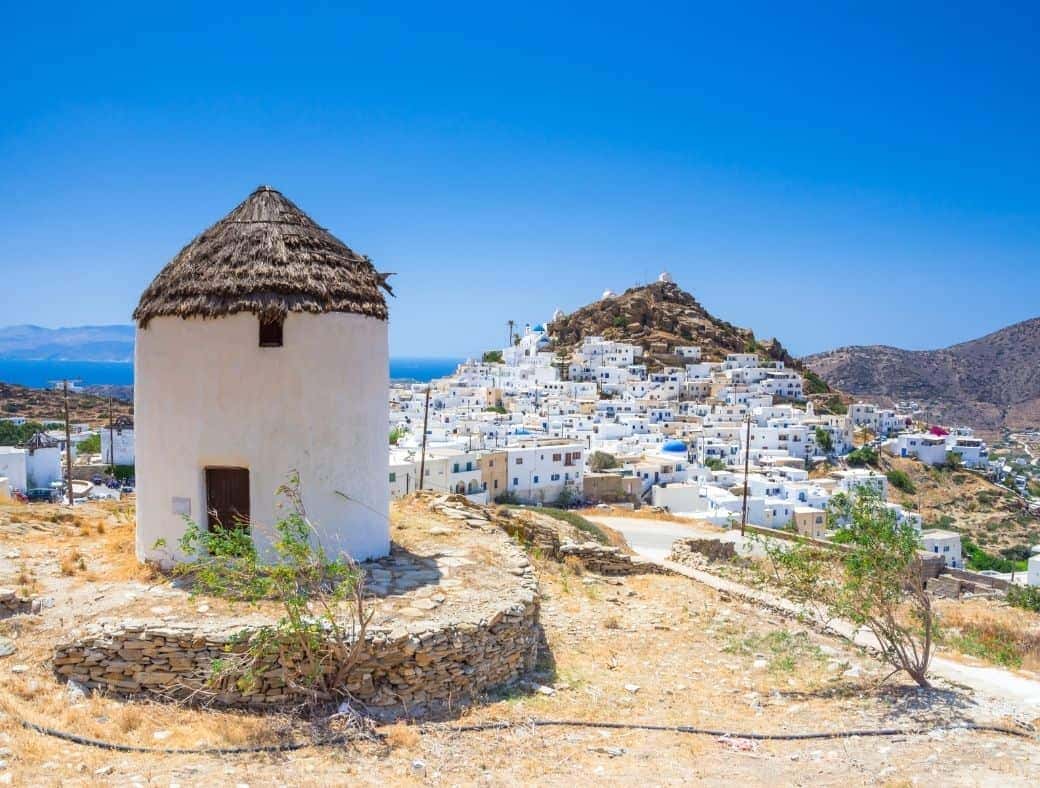
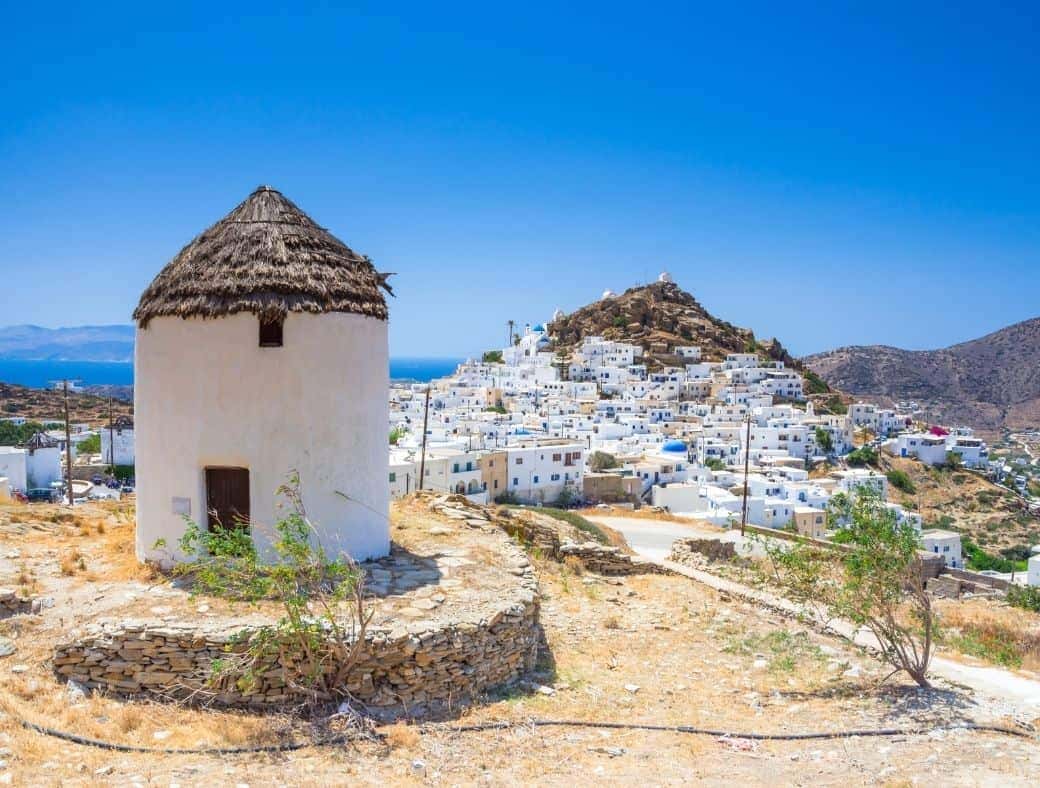
Ios, a vibrant island in the Cyclades, is known for its stunning beaches, vibrant nightlife, and picturesque whitewashed houses. The island's main village, Chora, is a maze of narrow streets and alleys, filled with shops, restaurants, and bars. The island's beaches, such as Mylopotas and Maganari, are popular spots for swimming and water sports. Ios is also home to the famous Homer's Tomb, a historic site that attracts visitors from all over the world.
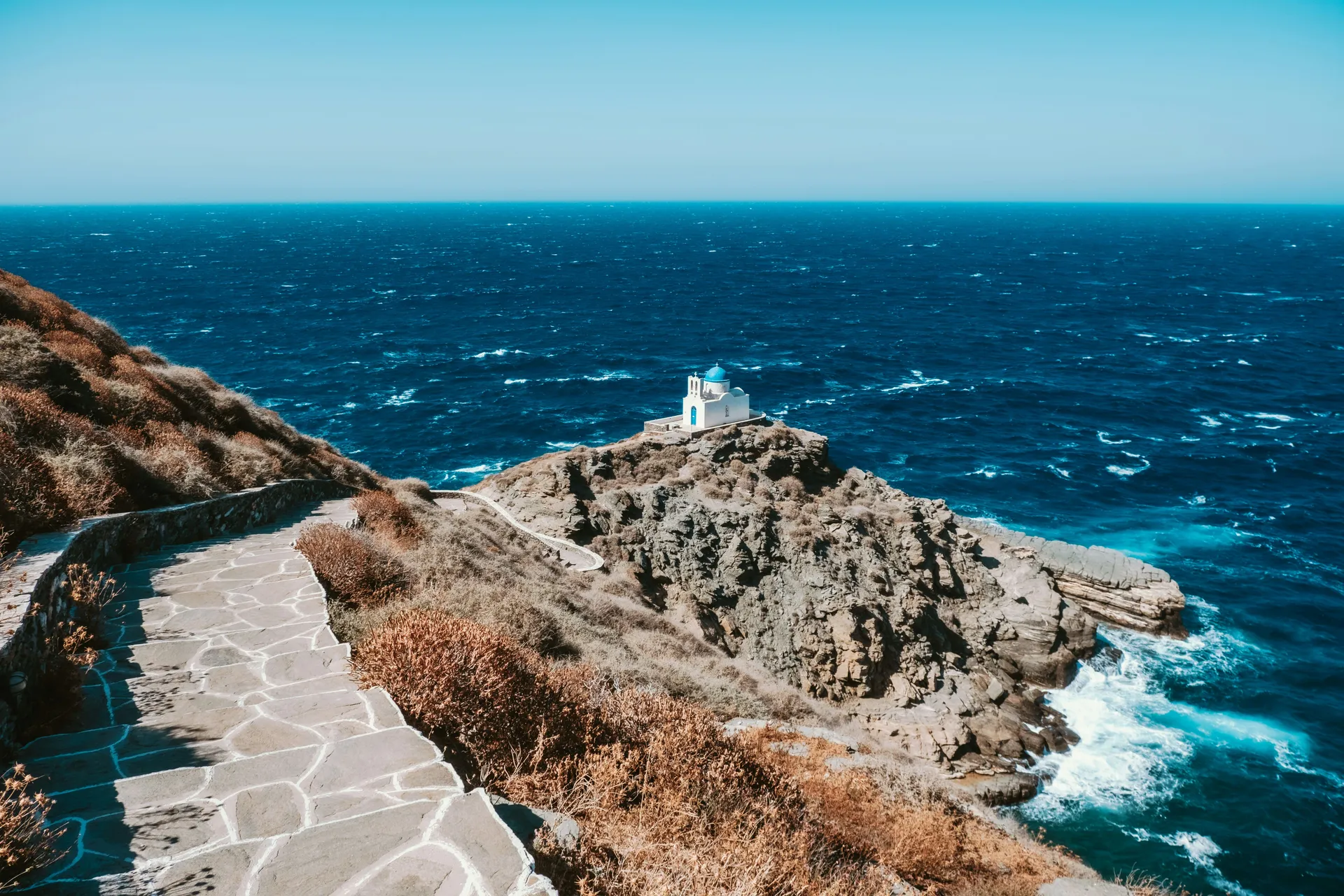
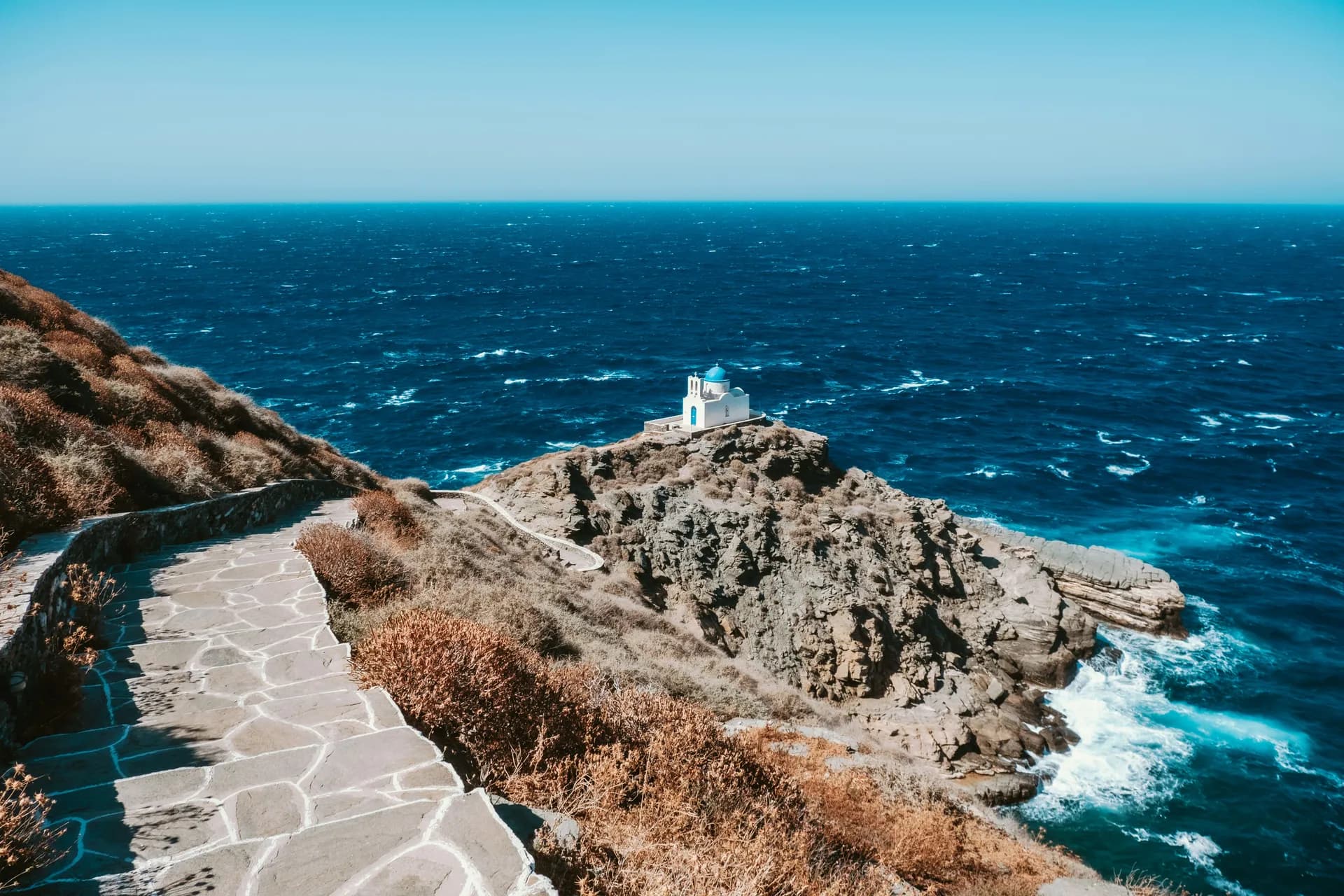
Sifnos, the gastronomic capital of the Cyclades, is an island where culinary tradition meets architectural elegance. The island's rich clay deposits have fostered a long tradition of pottery making, evident in its distinctive chimney pots and the earthenware casseroles used in its famous slow-cooked recipes. The medieval village of Kastro, built on top of an ancient acropolis, stands as a remarkable example of continuous habitation from ancient times, with its walls incorporating ancient marble columns and architectural elements. The island's 227 churches, many with blue domes and whitewashed walls, dot the landscape and come alive during traditional festivals. Apollonia, the island's capital, comes alive at night with its string of bars and restaurants along the "Steno" (narrow street). The island's network of ancient stone paths, recently restored, connects traditional settlements through a landscape of olive groves, almond trees, and wild herbs. Sifnos's beaches range from organized sandy stretches to secluded coves, while its pottery workshops and cooking classes offer visitors a chance to engage with local traditions. The island's culinary heritage, featuring dishes like revithada (chickpea soup) and mastelo (lamb or goat baked in red wine), has influenced Greek cuisine far beyond its shores.
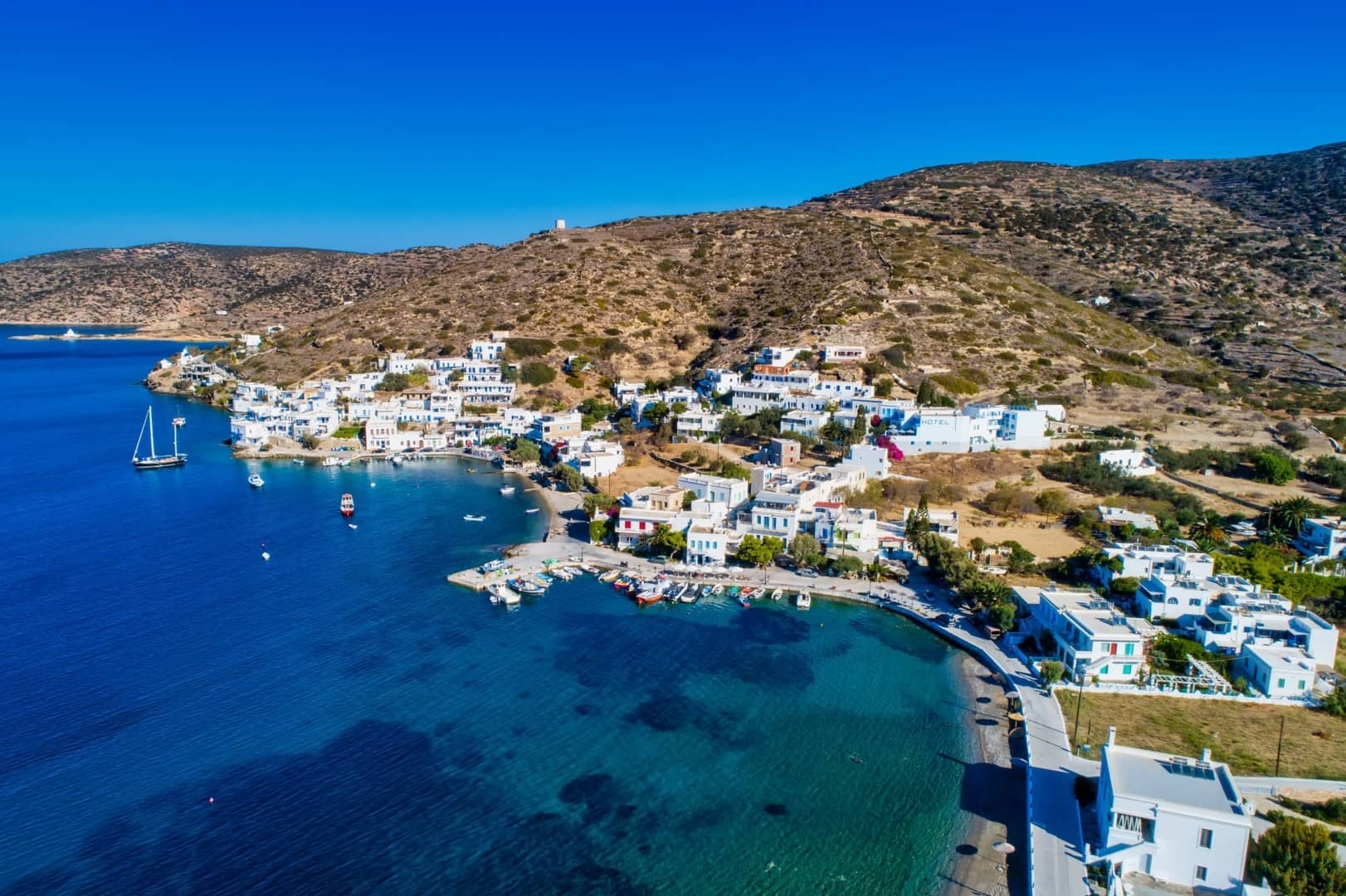
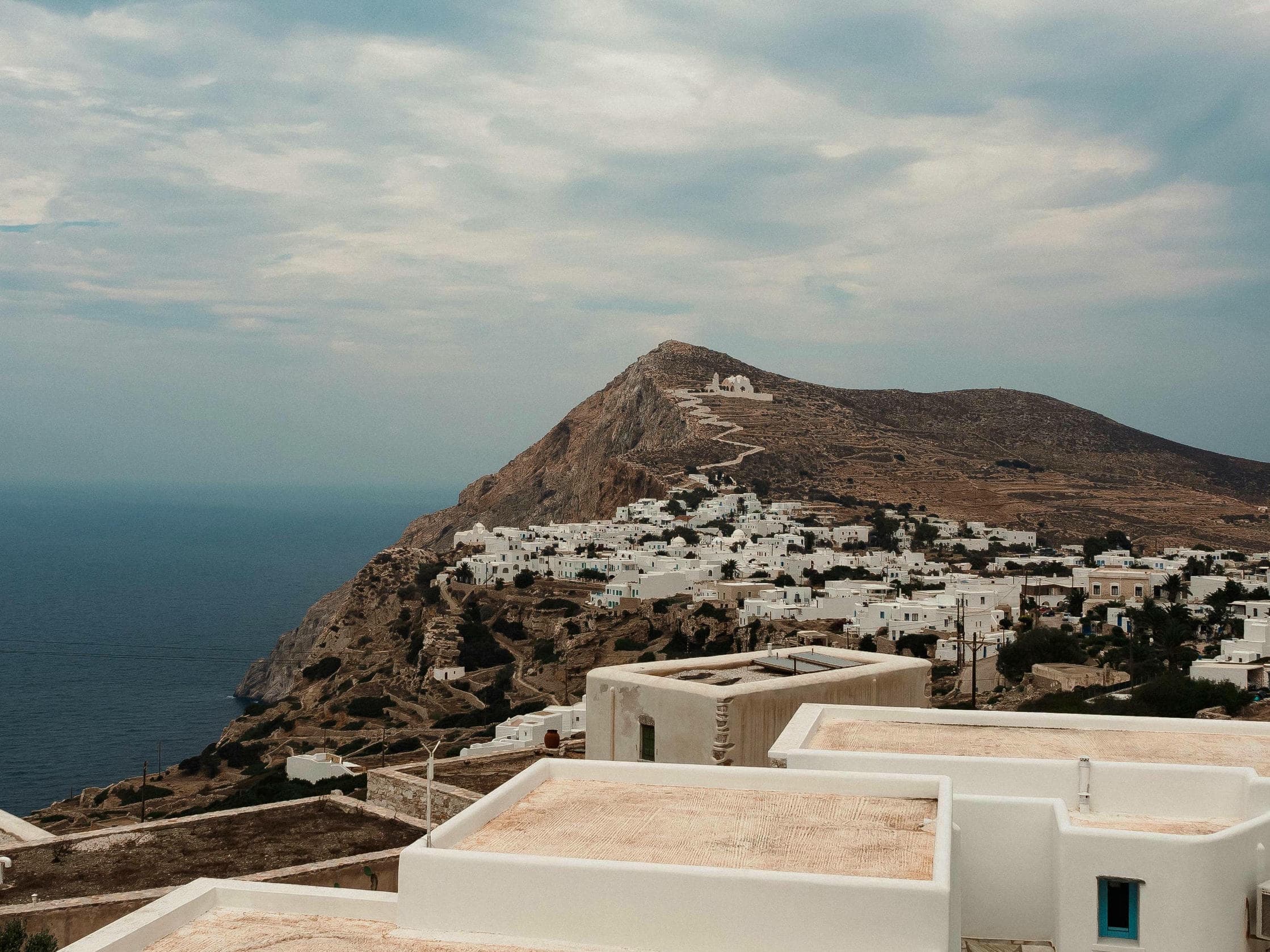
A dramatic island of steep cliffs and traditional villages, offering a perfect blend of natural beauty and authentic Greek charm
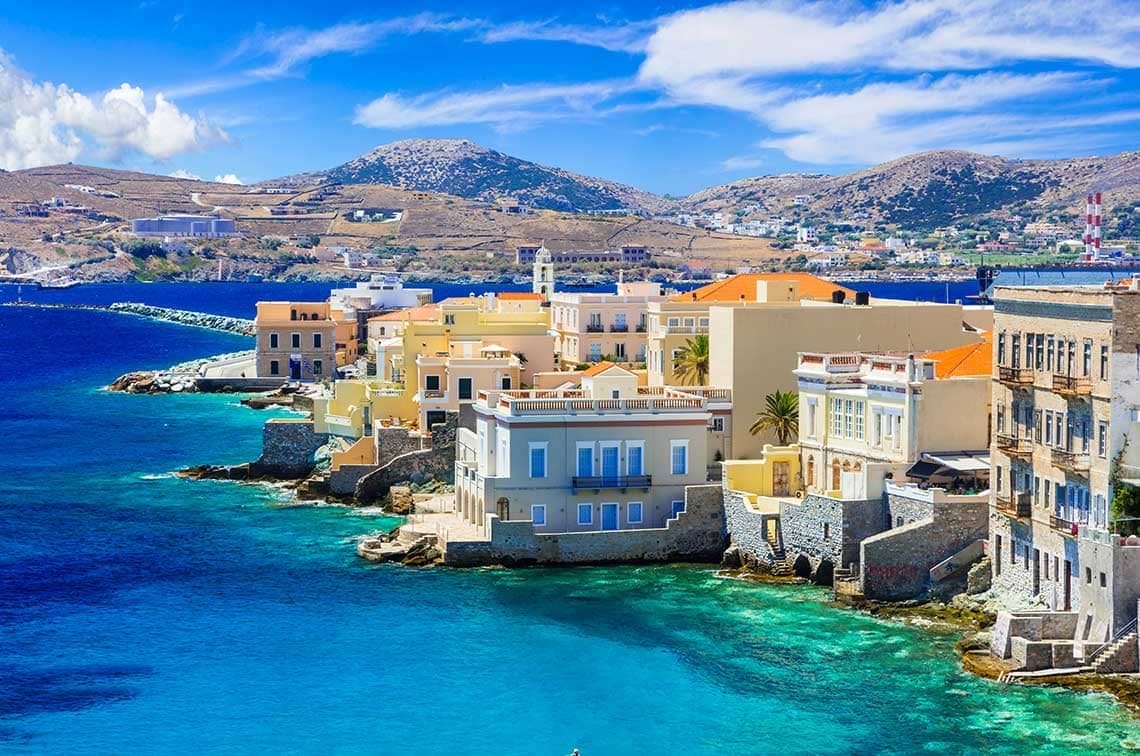
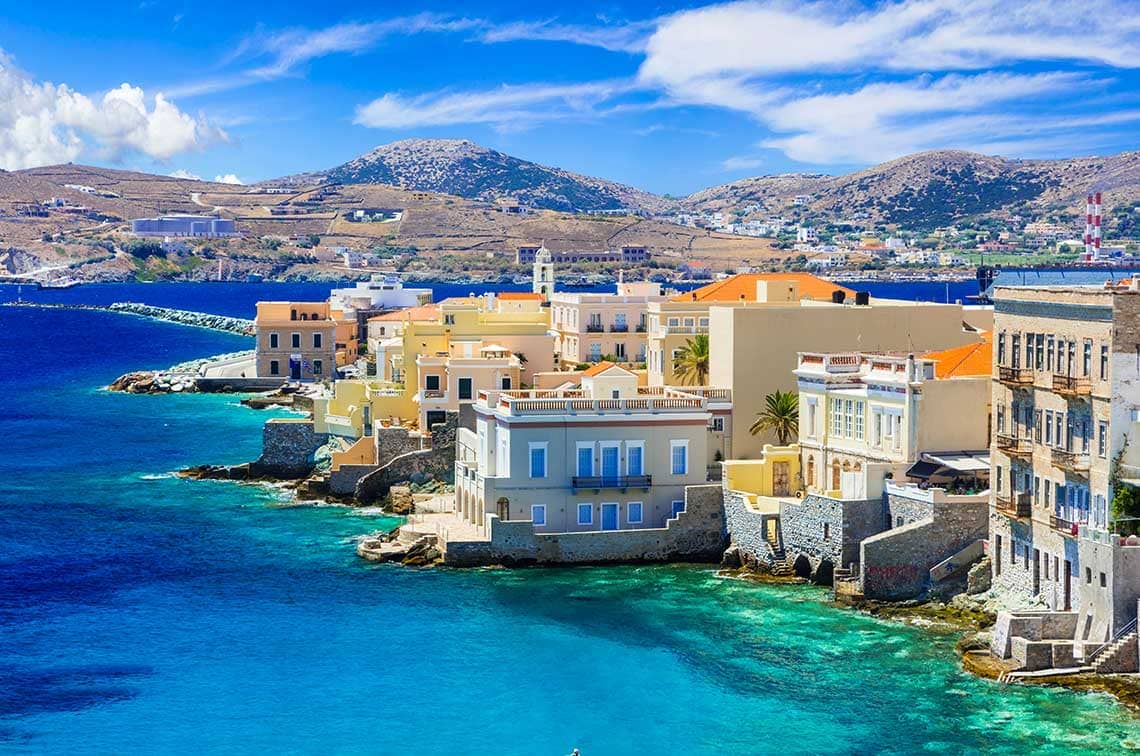
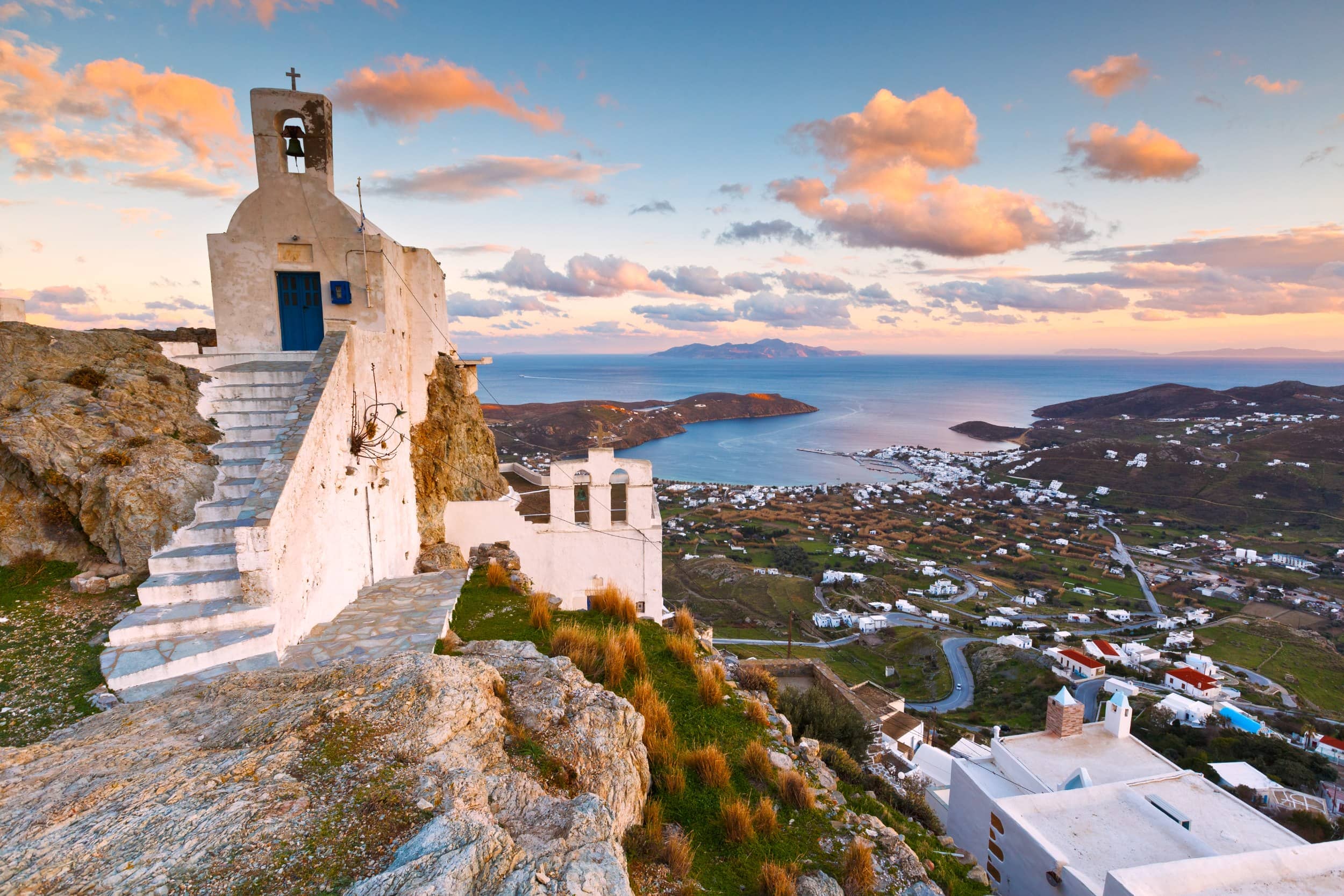
Syros, the administrative capital of the Cyclades, stands unique among its siblings with its remarkable blend of Cycladic and neoclassical architecture. The island's capital, Ermoupolis, was once the main commercial port of Greece and remains one of the most elegant towns in the Mediterranean. Its central square, Miaouli Square, is dominated by the grand Town Hall, while the nearby Apollo Theater, a miniature version of La Scala, reflects the island's rich cultural heritage. The island's industrial heritage is preserved in the Neorion Shipyards and the Industrial Museum, while its cultural present thrives in art galleries, theaters, and the famous Syros International Film Festival. Unlike its more tourism-dependent neighbors, Syros maintains a vibrant year-round life, with its university, judiciary, and administrative functions creating a cosmopolitan atmosphere. The island's culinary scene is famous for local specialties like loukoumi (Turkish delight), halva pie, and San Michali cheese, while its beaches offer a perfect mix of organized facilities and secluded coves.
Everything you need — the best beaches, hidden villages, local restaurants, insider tips, and curated itineraries for every type of traveler.