

Amorgos Travel Guide 2026 | Beaches & Insider Tips
The vertiginous Hozoviotissa monastery, the Big Blue film beach at Agia Anna and 5-hour ridge hikes from Katapola to Aegiali: complete Amorgos guide.
Explore 24 unique islands, from popular hotspots to hidden gems.
Compare ferries, flights, and car rentals for the perfect journey.
Find luxury villas, boutique hotels, and authentic stays.
Book top-rated tours, cruises, and local experiences.
Let Touristas AI create your perfect island-hopping itinerary.
The vertiginous Hozoviotissa monastery, the Big Blue film beach at Agia Anna and 5-hour ridge hikes from Katapola to Aegiali: complete Amorgos guide.
Where vertical cliffs drop into the deep Aegean, on the island that inspired The Big Blue
Amorgos is the easternmost Cyclades island, famous for its sheer cliff faces, the 11th-century Hozoviotissa Monastery, and crystal-clear diving waters. It's reachable in 6–8 hours by ferry from Piraeus and offers a raw, spiritual atmosphere you won't find anywhere else in the Aegean.
Amorgos sits at the eastern edge of the Cyclades, closer to the Dodecanese than to Mykonos or Santorini. Towering cliffs drop straight into the Aegean Sea, and old footpaths still connect villages that haven't changed much in decades. Luc Besson filmed "The Big Blue" here in 1988 (the story of real-life free-diver Jacques Mayol), and the island has drawn hikers, divers, and seekers of quiet Greek island life ever since.
Two harbours serve the island: Katapola in the southwest and Aegiali in the northeast. Between them, the Hozoviotissa Monastery clings to a 300-metre cliff above the sea, and the hilltop Chora spreads its whitewashed lanes and windmills along a ridge with views that don't quit. Nature runs the show here; modern tourism takes a back seat.
If you're used to pool bars and organized beach clubs, Amorgos isn't that island. But if you're willing to hike the ancient paths between mountain villages, swim in coves you can only reach by trail or boat, and sit in tavernas where the raki flows and the fish was caught that morning, it'll repay every hour of the ferry ride.
Amorgos is not a destination. It is a state of mind, where the mountains meet the sea and the hours stop counting.
Amorgos offers a diverse range of neighborhoods, each with its own soul. Whether you seek the caldera views of Santorini, the vibrant nightlife of Mykonos, or the traditional charm of Naxos, choosing the right base is essential.
Handpicked hotels with exceptional reviews and local character.
Detailed breakdowns of every neighborhood and village.
Expert Recommendation
"For the first-time visitor, staying in the main Chora provides the best balance of accessibility and atmosphere."
Three independent city-states once shared this island: Minoa, Arkesini, and Aegiali. Artefacts from the Early Cycladic period (3200–2000 BC) found here rank among the finest Cycladic marble figurines in existence and are now displayed in the National Archaeological Museum of Athens. The 7th-century BC iambic poet Semonides of Amorgos also called the island home.
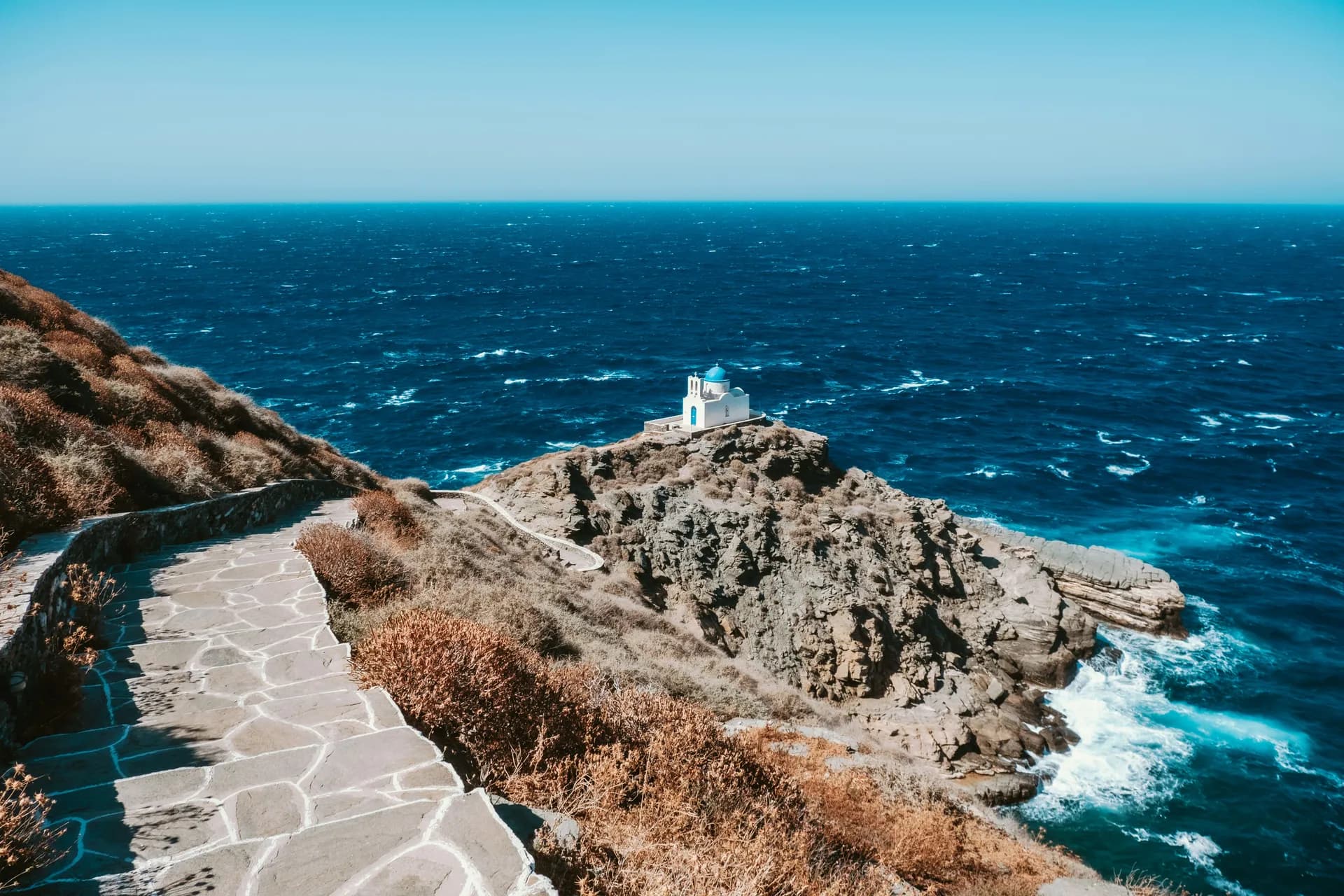
Founded in 1017 AD by Byzantine Emperor Alexios I Komnenos, the Monastery of Panagia Hozoviotissa is built into a sheer cliff 300 metres above the Aegean. It houses an icon of the Virgin Mary said to have floated across the sea from Palestine. The building is only about 5 metres wide but eight storeys tall, pressed flat against the rock face.
In 1988, French director Luc Besson filmed most of "Le Grand Bleu" (The Big Blue) on Amorgos, using the Agia Anna cove and the waters around the island to tell the story of free-diver Jacques Mayol. The film became a cult classic and drew a new generation of travellers. More recently, the 2023 French comedy "Two Tickets to Greece" brought the island back to cinema screens.
After decades of depopulation (a pattern common across the Cyclades after the 1950s), Amorgos has seen a quiet comeback. Artists, writers, and eco-minded travellers have settled here, helping preserve local traditions while building a small creative community around hiking, diving, and sustainable agriculture.
Explore the heart of Amorgos
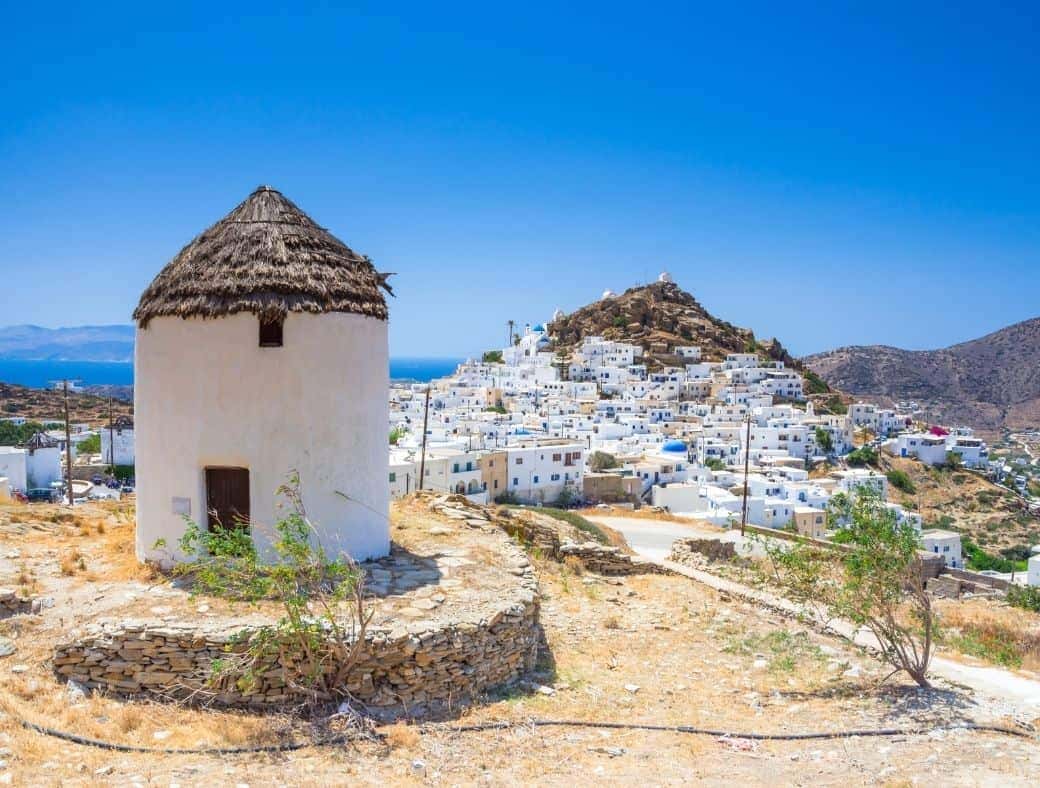
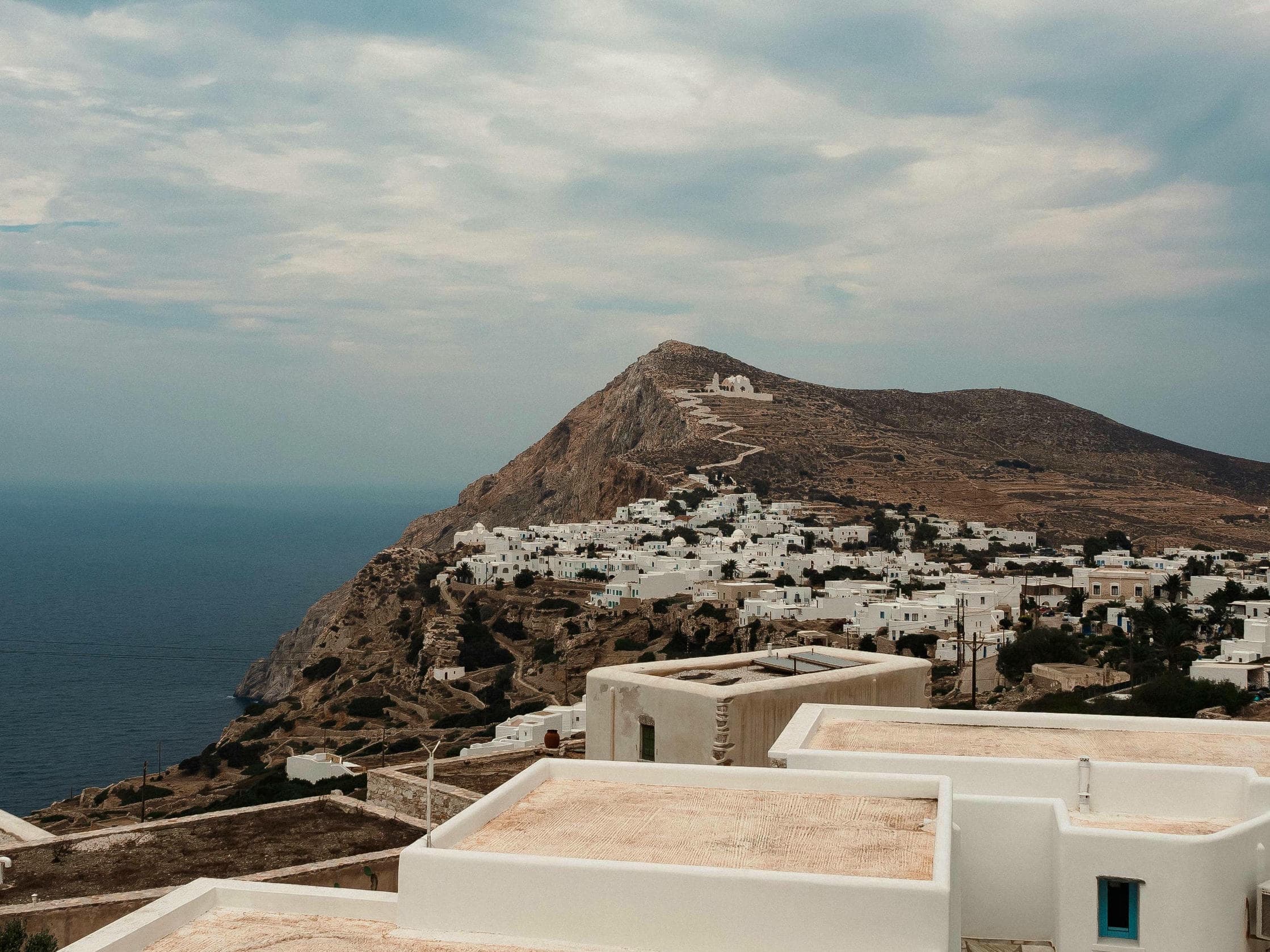
Sitting 400 metres above sea level, Amorgos Chora is one of the finest hilltop capitals in the Cyclades. Whitewashed houses, blue-domed churches, and narrow alleys wrap around a 13th-century Venetian kastro built during the Duchy of Naxos era. Windmills line the ridge, and on a clear day you can see all the way to Naxos.
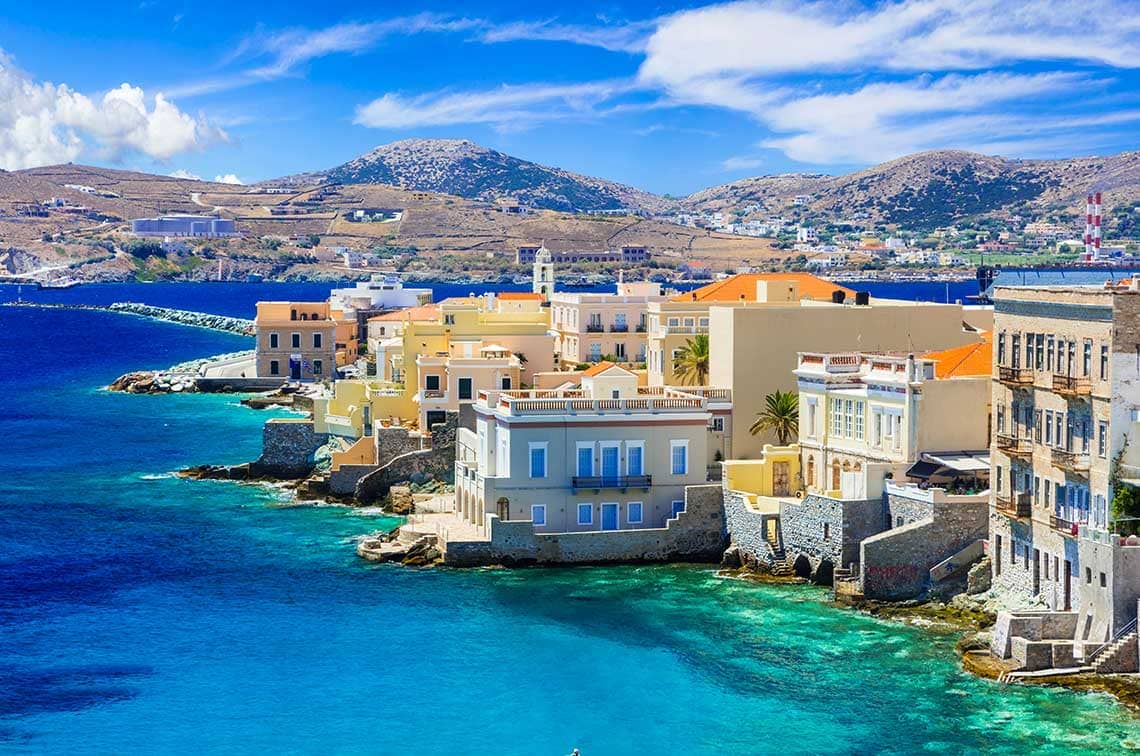
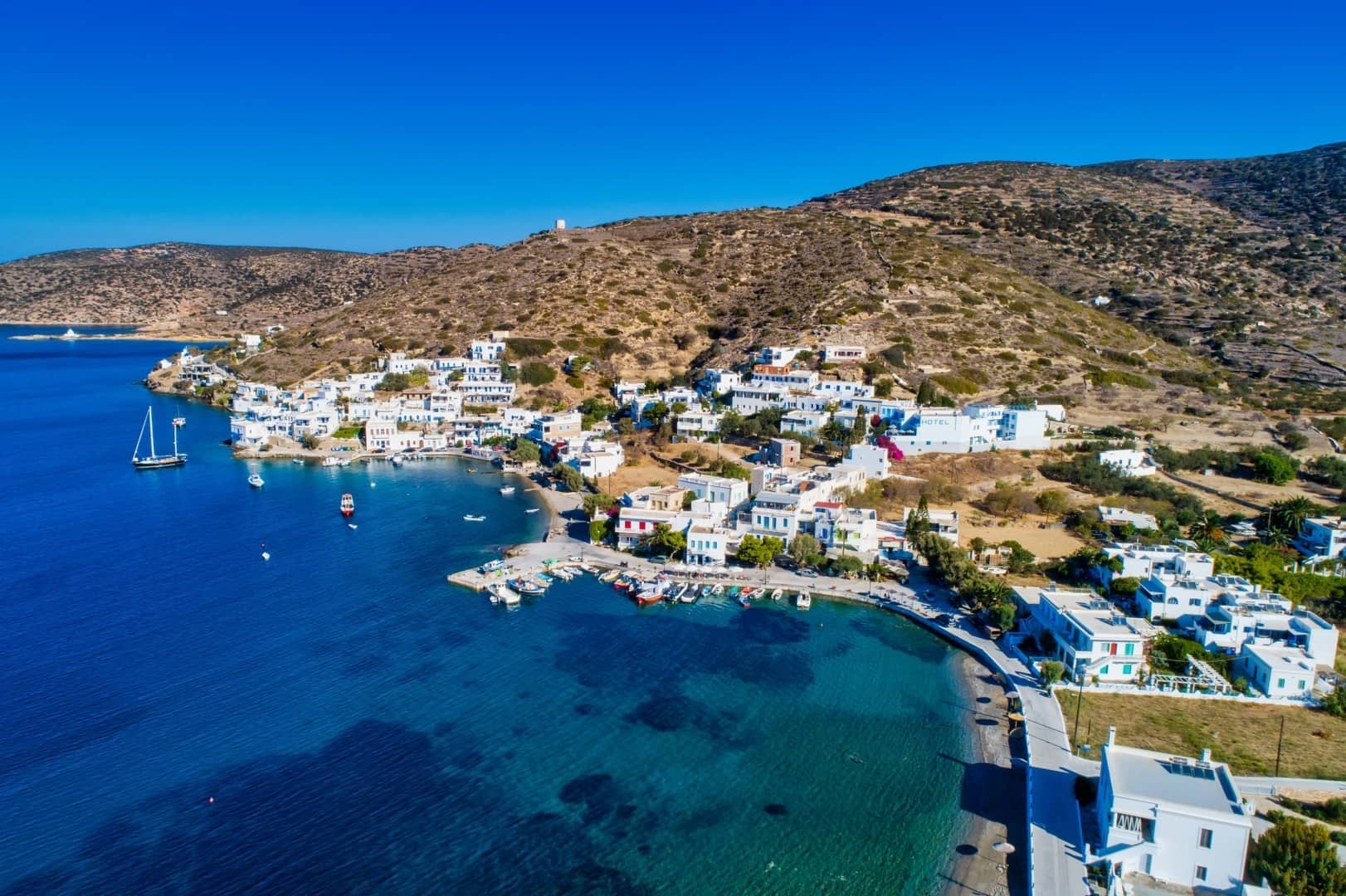
The main port of Amorgos sits in a deep natural bay ringed by hills. What looks like one settlement is actually three villages (Katapola, Rachidi, and Xylokeratidi) linked by a seaside promenade. The ruins of ancient Minoa sit on the hill above, and you can walk there in about twenty minutes from the waterfront.
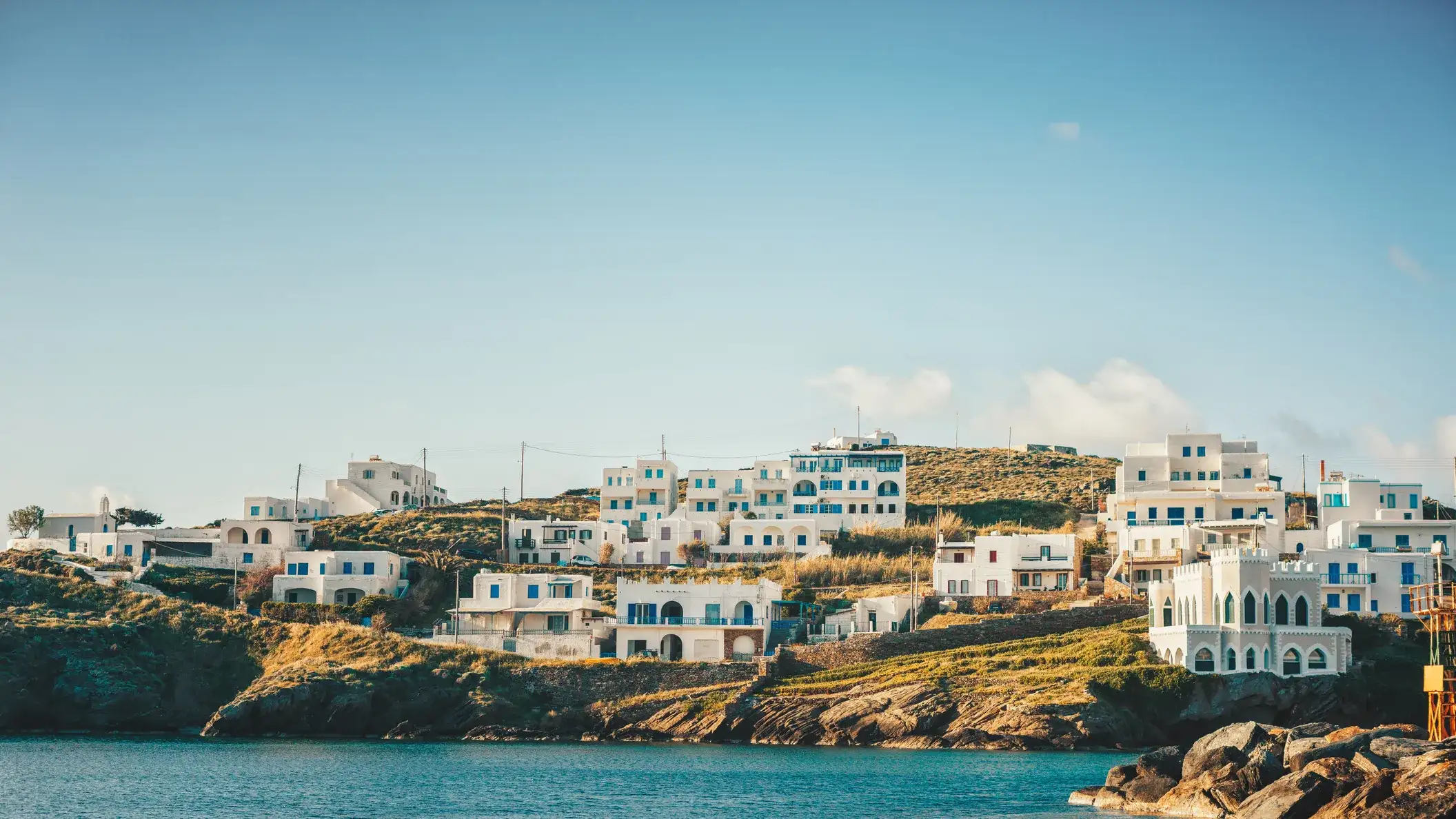
Aegiali occupies a wide, sandy bay on the northeast coast and serves as the island's second port. The crescent beach, shaded by tamarisk trees, has the best swimming on Amorgos. Three traditional villages (Tholaria, Langada, and Potamos) are stacked up the mountainside above, each connected by old stone paths.
Perched above Aegiali bay, Tholaria is a small village where the tavernas are better than they have any right to be. Tables sit on terraces looking straight down to the water. Ancient tombs and traces of Roman-era ruins dot the surrounding hillsides, and the village is a natural starting point for hikes across the northern half of the island.
Langada is the highest of the three villages above Aegiali, and it feels it. Stone houses with blue shutters line cobbled paths that are steep enough to make you pause. On summer evenings, locals sometimes pull out instruments on the plateia for impromptu music. From here, trails lead to the wild northern coastline and the remote monastery of Theologos.
Boutique villas, cave hotels, and sea-view suites — all in one place.
The best shores of Amorgos
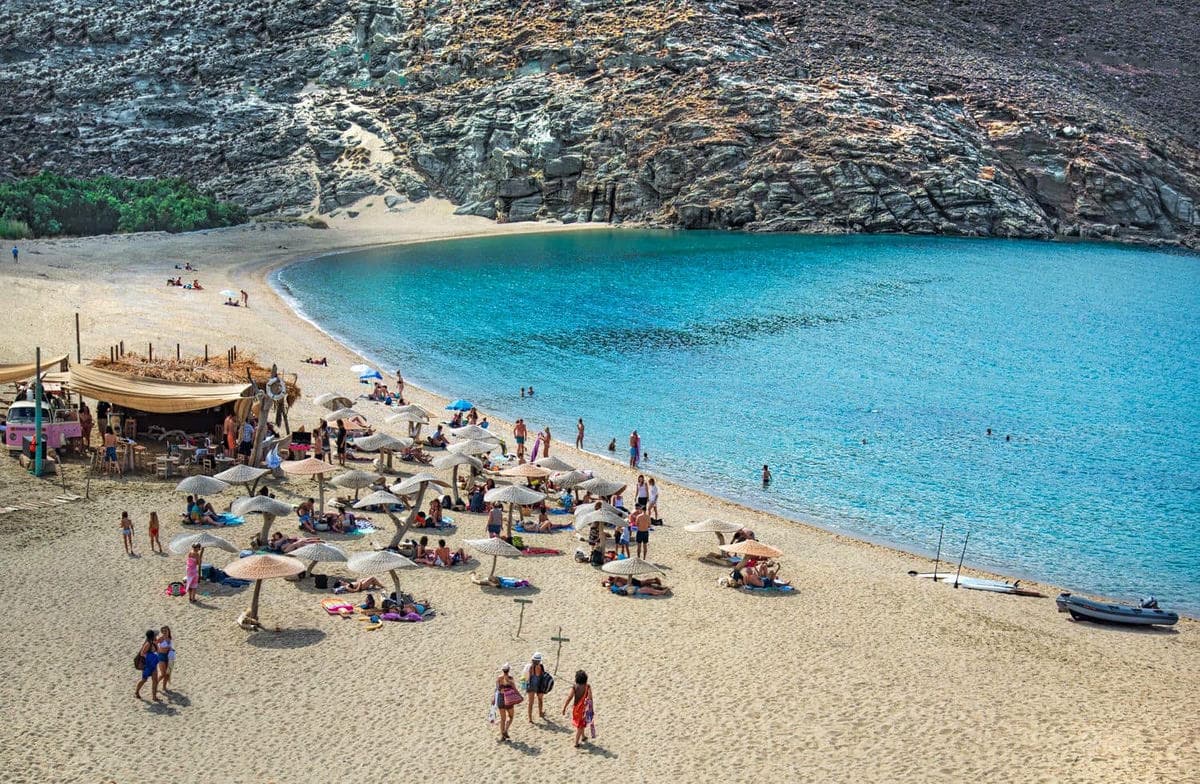
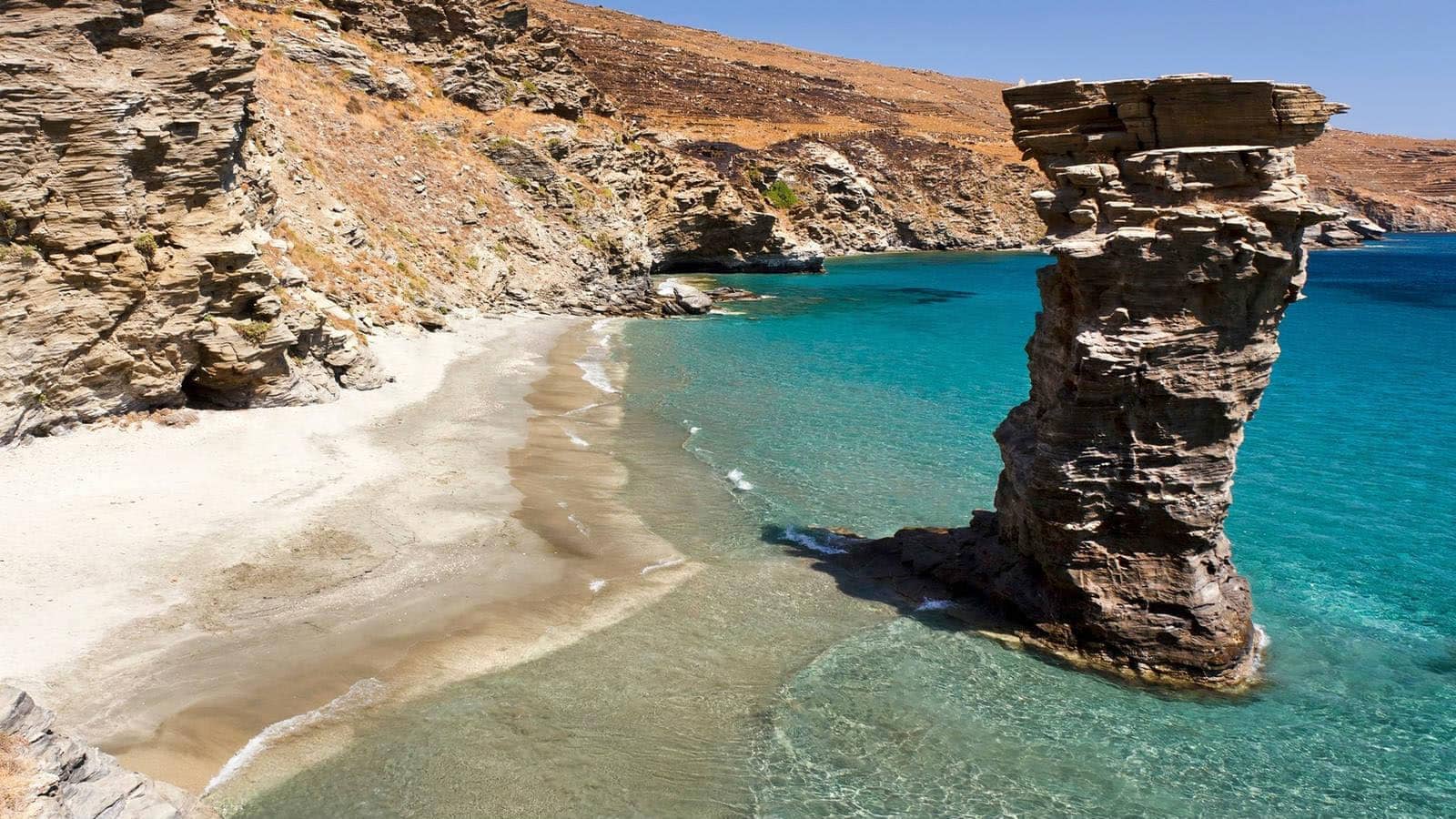
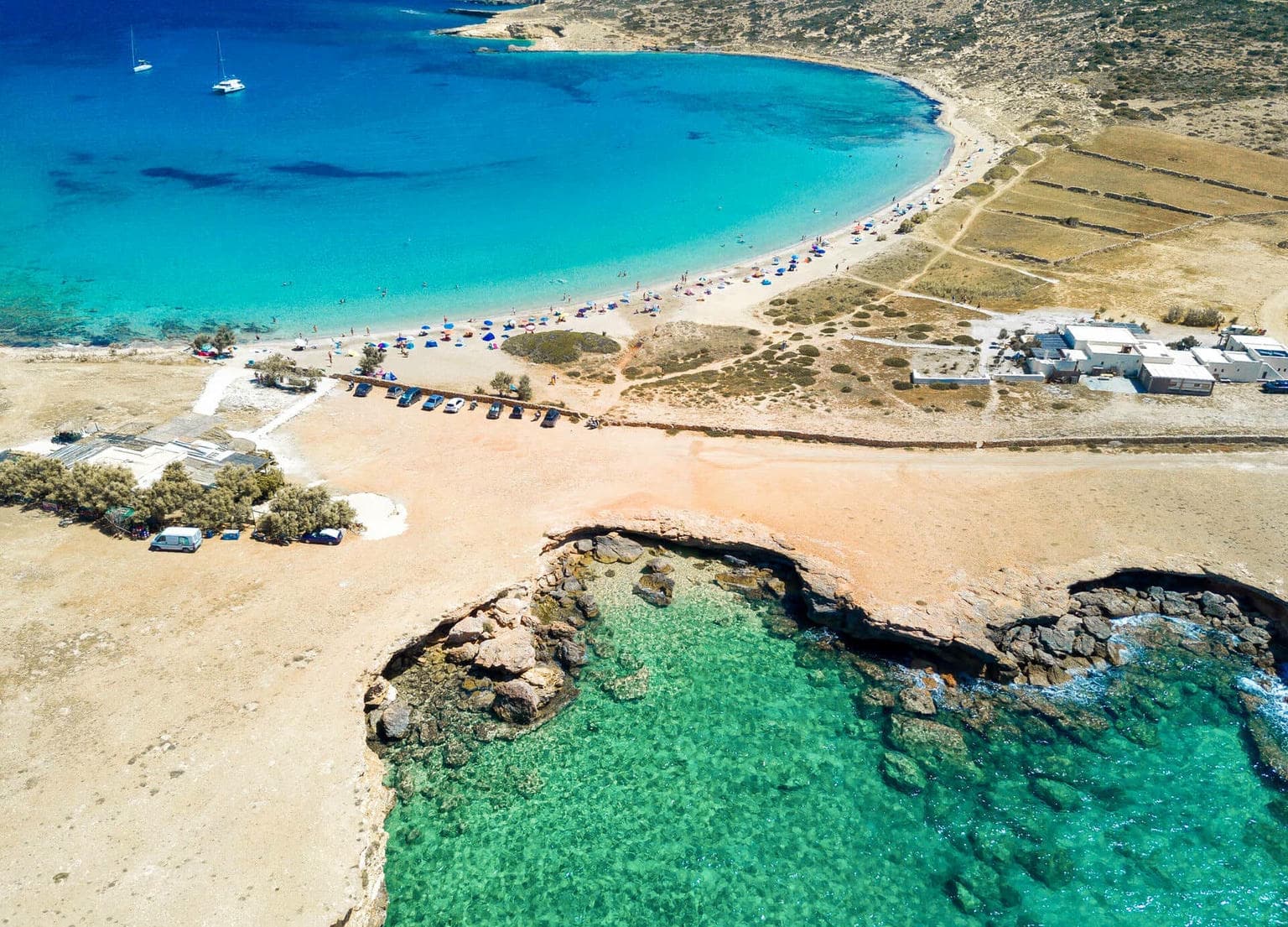
The cove from The Big Blue, with turquoise water backed by vertical rock walls
The island's longest sandy beach with shallow turquoise water, tamarisk shade, and beachside tavernas
A pebble beach tucked below high cliffs, reached by a coastal footpath from Aegiali
A sheltered bay at the southwestern tip of the island with views of the Gramvoussa islet
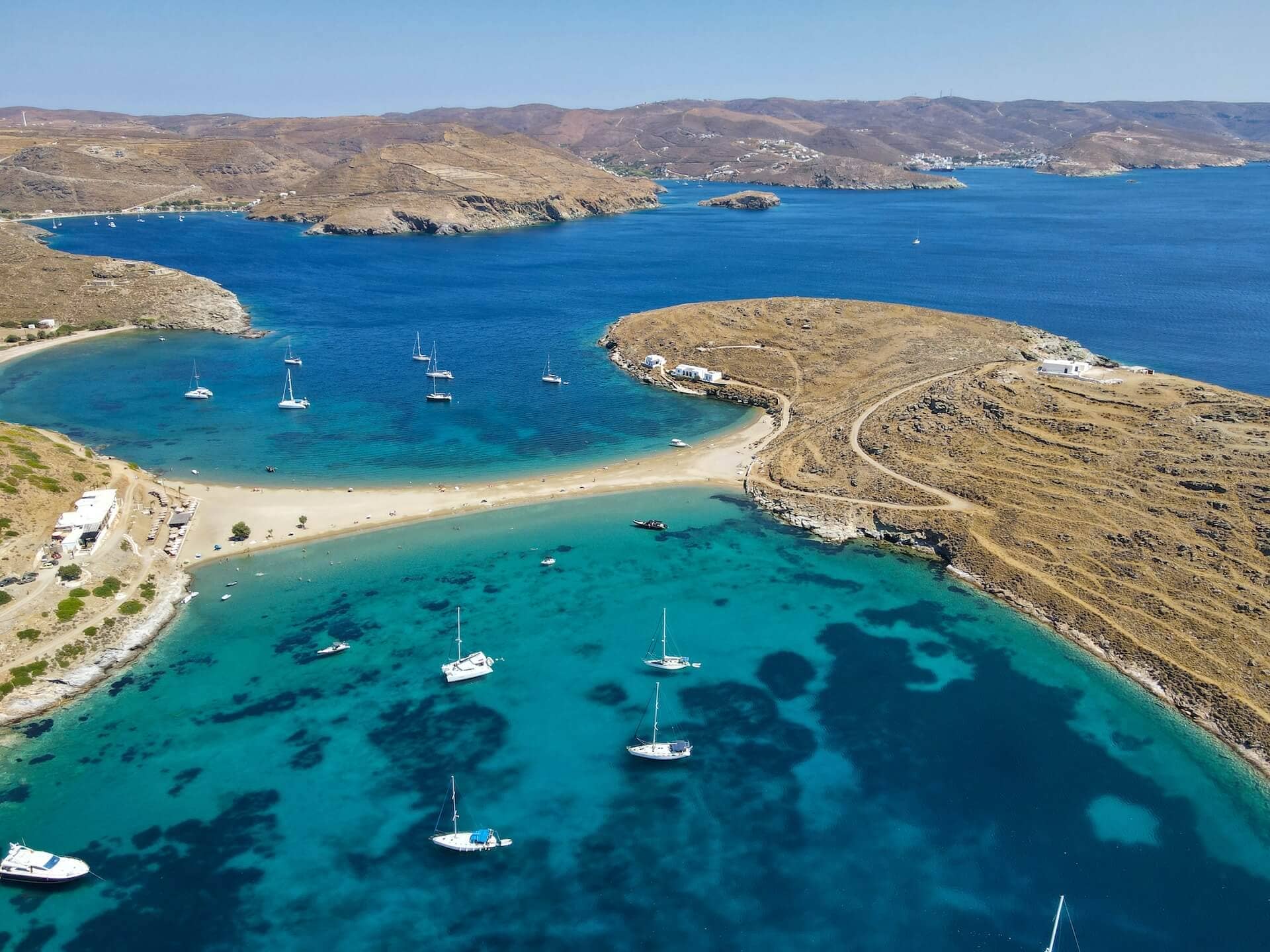
A small islet off the coast, reachable by boat from Aegiali, with empty beaches and Posidonia-clear water
Explore every beach and hidden village at your own pace.
Mountain herbs, line-caught fish, and recipes that haven't changed in generations
Slow-cooked goat or lamb stew with potatoes, onions, and local herbs. This is the signature dish of Amorgos, and every family has their own version.
Crispy fried pastry spirals drizzled with thyme honey and sesame. They're traditionally made for weddings and feast days.
Amorgos's spiced raki, infused with honey, cinnamon, and cloves. The monks at Hozoviotissa serve it to every visitor.
Grilled octopus, sea urchin, and whatever the boats brought in that morning, served at waterfront tavernas in Katapola and Aegiali.
Small-batch goat and sheep cheeses including anthotyro and xinomyzithra, made by island shepherds who still move flocks between seasonal pastures.
Sesame and honey bars, compact enough to carry on a hike. They've been made this way since antiquity.
From sunrise to sunset in Amorgos
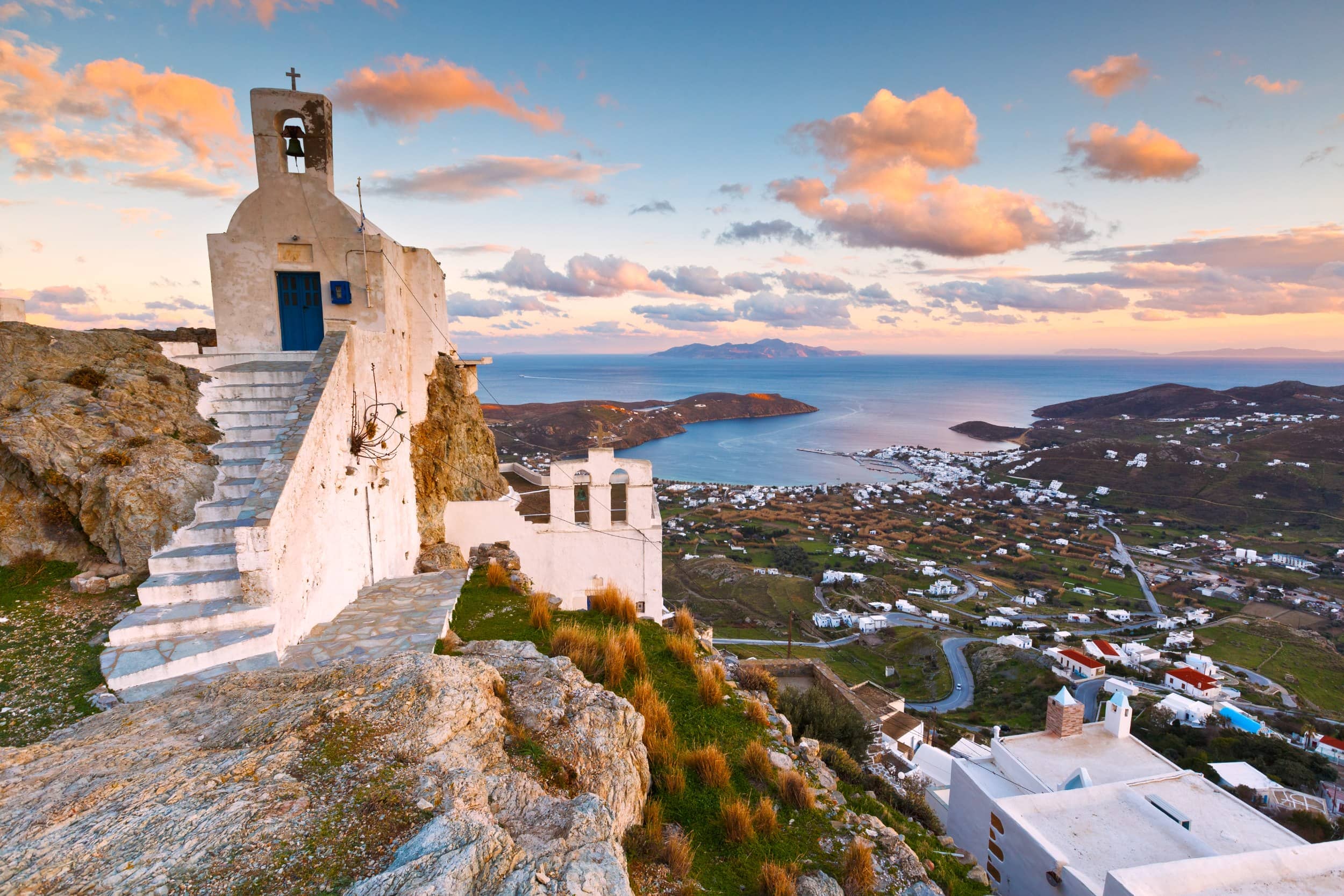
Start the day with the walk from Chora down to the Monastery of Panagia Hozoviotissa. The trail drops through rocky scrubland to the cliff-side monastery, where monks greet visitors with psimeni raki and loukoumi. About 300 steps are involved, so go early before the heat builds.
2-3 hoursFollow the ancient cobblestone path from Aegiali bay up to Tholaria village, passing ancient tombs, wild herb gardens, and panoramic viewpoints over the bay.
1.5 hoursThe waters at Agia Anna cove (the filming location from The Big Blue) are some of the clearest in the Cyclades. Underwater rock formations and a healthy fish population make it worth bringing a mask and snorkel even if you don't normally bother.
2-3 hoursAncient Minoa sits on the hill above Katapola, one of the three city-states that shared Amorgos in antiquity. You can still trace the gymnasium, temple foundation, and stadium outline. The views down to the harbour aren't bad either.
1-2 hoursCatch a small boat from Aegiali to the pristine islet of Nikouria. Spend the day on empty beaches, swim in emerald waters, and enjoy a packed lunch in total solitude.
4-5 hoursLearn to prepare traditional Amorgian dishes like patatato and xerotigana with local ingredients. Most classes start with a trip to a nearby garden to pick oregano, thyme, and whatever's in season.
3 hoursWander the labyrinthine alleys of Chora, discovering over 40 churches and chapels, the Venetian castle ruins, and charming boutiques selling local art and crafts.
2 hoursJoin a sunset yoga class at one of Aegiali's wellness retreats, with the bay as your backdrop. Amorgos has become a popular destination for yoga and mindfulness retreats.
1.5 hoursThe windmills on the ridge above Chora face due west. On a clear evening, you can see across the Aegean to Naxos and the Small Cyclades as the light drops.
1 hourSample different varieties of psimeni raki at a traditional kafeneio, paired with local meze. Locals are proud of their spiced raki tradition and love sharing it with visitors.
2 hoursSailing trips, sunset cruises, diving, cooking classes and more.
Find the perfect time for your Amorgos trip
Ferry routes and travel connections
Fast booking, instant confirmation. Compare operators and prices.
Amorgos connects to 3 nearby islands by ferry. These are the most popular island-hopping routes from Amorgos, with direct connections running throughout the season.
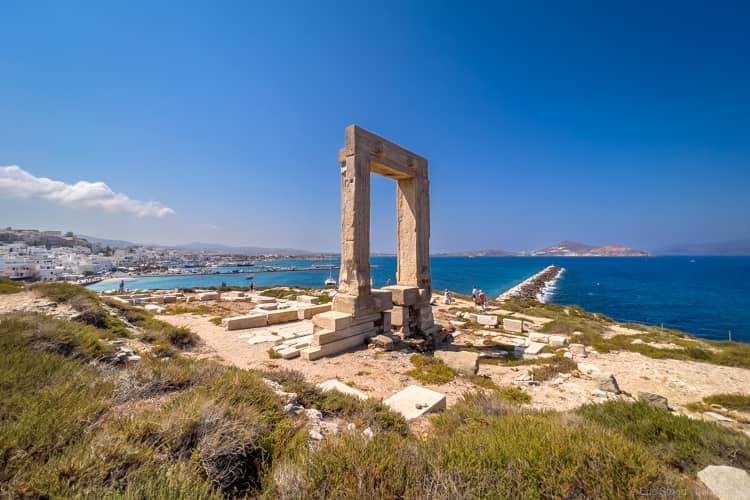
The largest Cycladic island with endless beaches, the Portara, and mountain villages.
Turquoise swimming pools, natural rock arches, and the essence of Small Cyclades life.
Isolated sandy beaches and a tranquil village, the most remote Small Cyclades island.
Curated tours and activities
Guided hike covering the island's best trails, including the path to Hozoviotissa Monastery and the Aegiali mountain villages.
Sail along the dramatic south coast, visiting hidden sea caves, secluded beaches, and the Gramvoussa islet.
Visit the iconic filming locations of The Big Blue, including Agia Anna, the shipwreck cove, and Katapola harbor.
Insider tips for your Amorgos trip
Hand-picked Cyclades photography — refreshed weekly from Pexels.
Photography via Pexels — credit shown per image.
Everything you need to know about Amorgos
Our AI travel assistant knows everything about Amorgos
One email every two weeks: new beaches, ferry changes, hotel deals. No spam.
The island that inspired The Big Blue is still out there at the edge of the Cyclades. Start planning your trip.