

Tinos Travel Guide 2026 | Beaches & Insider Tips
Panagia Evangelistria pilgrimage church, Pyrgos marble sculptors, dove-cotes in every village and Kolymbithra beach: the complete Tinos guide 2026.
Explore 24 unique islands, from popular hotspots to hidden gems.
Compare ferries, flights, and car rentals for the perfect journey.
Find luxury villas, boutique hotels, and authentic stays.
Book top-rated tours, cruises, and local experiences.
Let Touristas AI create your perfect island-hopping itinerary.
Panagia Evangelistria pilgrimage church, Pyrgos marble sculptors, dove-cotes in every village and Kolymbithra beach: the complete Tinos guide 2026.

It's got a thousand dovecotes, marble-carving villages, and Greece's holiest pilgrimage site, the island where artistry and faith sculpt every hillside
Tinos is a sacred Cyclades island and major Greek pilgrimage site, home to the Church of Panagia Evangelistria and over 1,000 ornate marble-carved dovecotes. It's about 3 hours from Athens by ferry and combines deep religious tradition with excellent beaches and some of the best food in the Cyclades.
Every August 15, tens of thousands of Greek Orthodox pilgrims arrive at Tinos port and crawl on their knees up the broad marble avenue to the Church of Panagia Evangelistria, one of the holiest sites in their faith. But the pilgrimage is only one layer of an island that's got staggering cultural depth. More than 1,000 ornate dovecotes dot the landscape, and in the marble-carving villages of the interior, artisans still practise a craft whose roots go back to the workshops that decorated Delos.
Pyrgos, high in Tinos's mountainous north, is the marble capital of Greece. This is the village that produced Yannoulis Chalepas (1851–1938), widely considered the greatest modern Greek sculptor, whose "Sleeping Female Figure" in Athens' First Cemetery became a landmark of Neoclassical art. The School of Fine Arts, founded in 1955, still trains sculptors here. Walk through Pyrgos and you'll see marble fountains, carved lintels, and ornate door frames on nearly every building.
Beyond the pilgrimage and the marble, Tinos has over 40 traditional villages across its mountainous interior, and you'll find many of them are barely touched by tourism. Each has its own character, its own festivals, and its own cooking. The island produces exceptional artisan cheeses, wild capers, and local wines. Its beaches range from organized sandy stretches to wild, wind-blasted coves. And the dovecotes (elaborate stone towers with geometric sunburst patterns, built during Venetian rule under the Duchy of Naxos) stand as monuments to an era when pigeon farming was both livelihood and art form.
On Tinos, marble speaks and dovecotes sing. Every village holds something worth the walk.
Tinos offers a diverse range of neighborhoods, each with its own soul. Whether you seek the caldera views of Santorini, the vibrant nightlife of Mykonos, or the traditional charm of Naxos, choosing the right base is essential.
Handpicked hotels with exceptional reviews and local character.
Detailed breakdowns of every neighborhood and village.
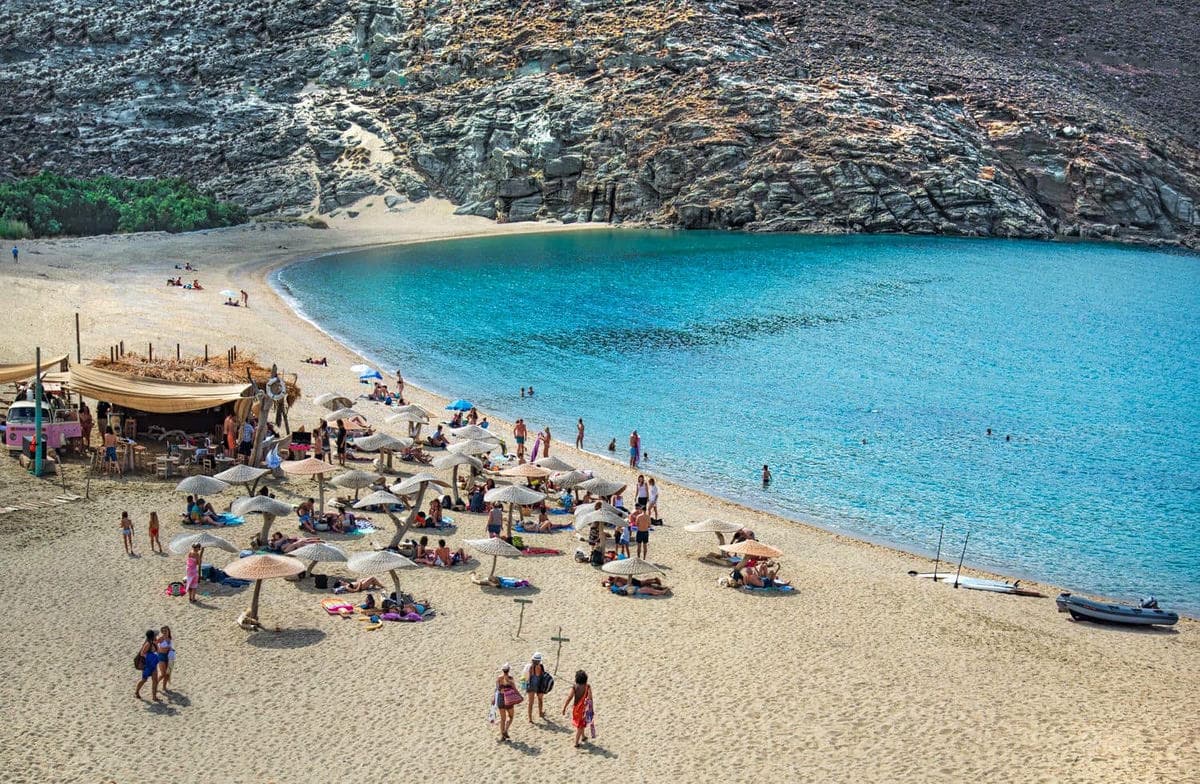
Expert Recommendation
"For the first-time visitor, staying in the main Chora provides the best balance of accessibility and atmosphere."
In 1823, during the Greek War of Independence, a nun named Pelagia had repeated visions that led to the discovery of a buried icon of the Virgin Mary. The Church of Panagia Evangelistria was built over the site and became Greece's most important Orthodox pilgrimage destination, drawing hundreds of thousands of visitors every year.
Tinos has produced master marble craftsmen since antiquity. Tinian artisans worked on the Temple of Poseidon at Delos and later on buildings across mainland Greece. Pyrgos formalised the tradition with its School of Fine Arts in 1955, which still trains sculptors today. The village also produced Yannoulis Chalepas, who studied at the Munich Academy of Fine Arts on a scholarship from the Evangelistria foundation.
Between the 16th and 19th centuries, Venetian landlords and local families built over 1,000 dovecotes across Tinos, more than on any other Cycladic island. These stone towers, decorated with geometric sunburst and diamond patterns, housed pigeons raised for fertiliser, food, and trade. They're now protected as architectural heritage.
On August 15, 1940, the Italian submarine Delfino torpedoed the Greek cruiser Elli in Tinos harbour during the Assumption Day celebrations. The attack, which came during a day of peace and prayer, preceded Italy's invasion of Greece by two months. It's commemorated annually and holds deep significance in Greek national memory.
Explore the heart of Tinos
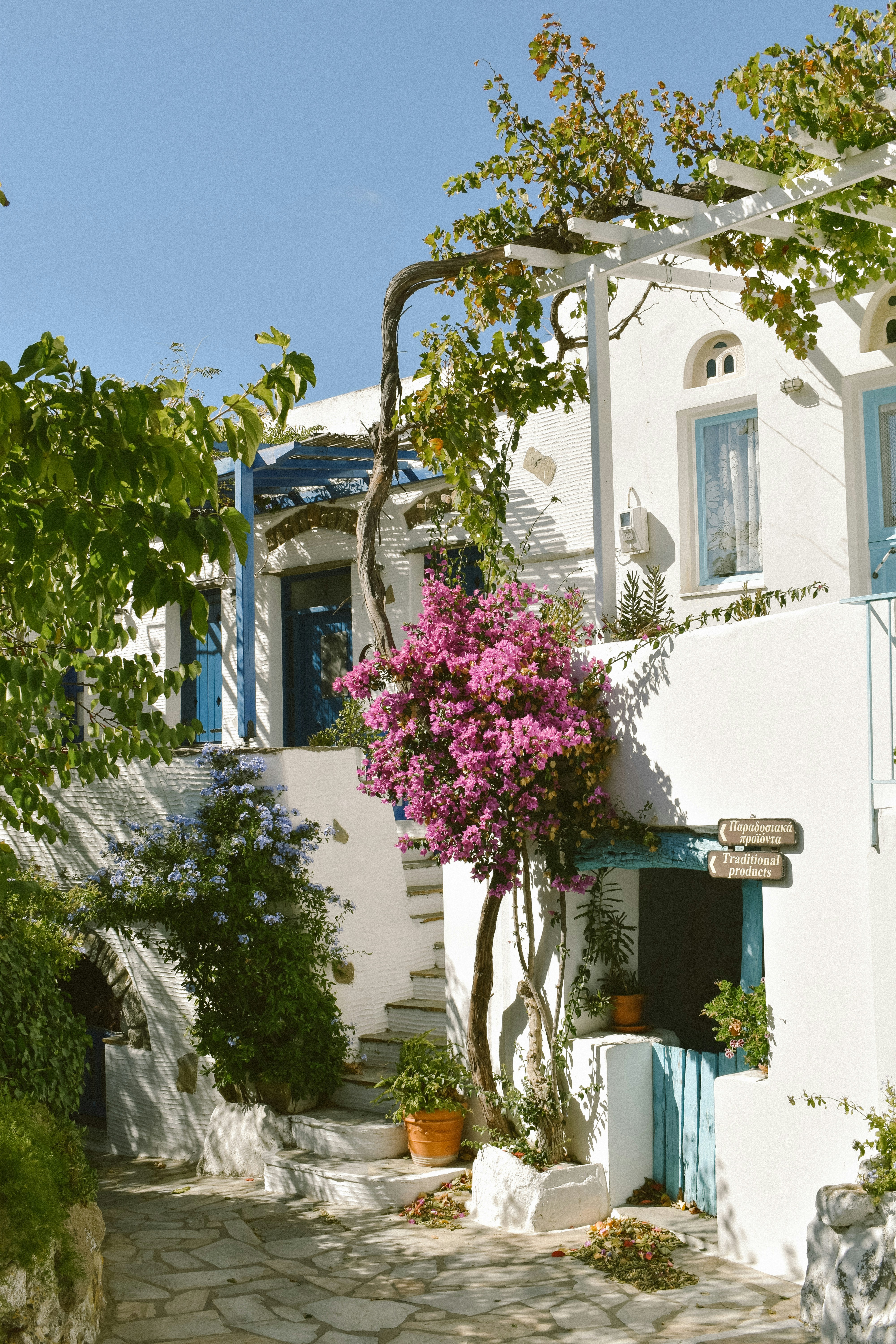
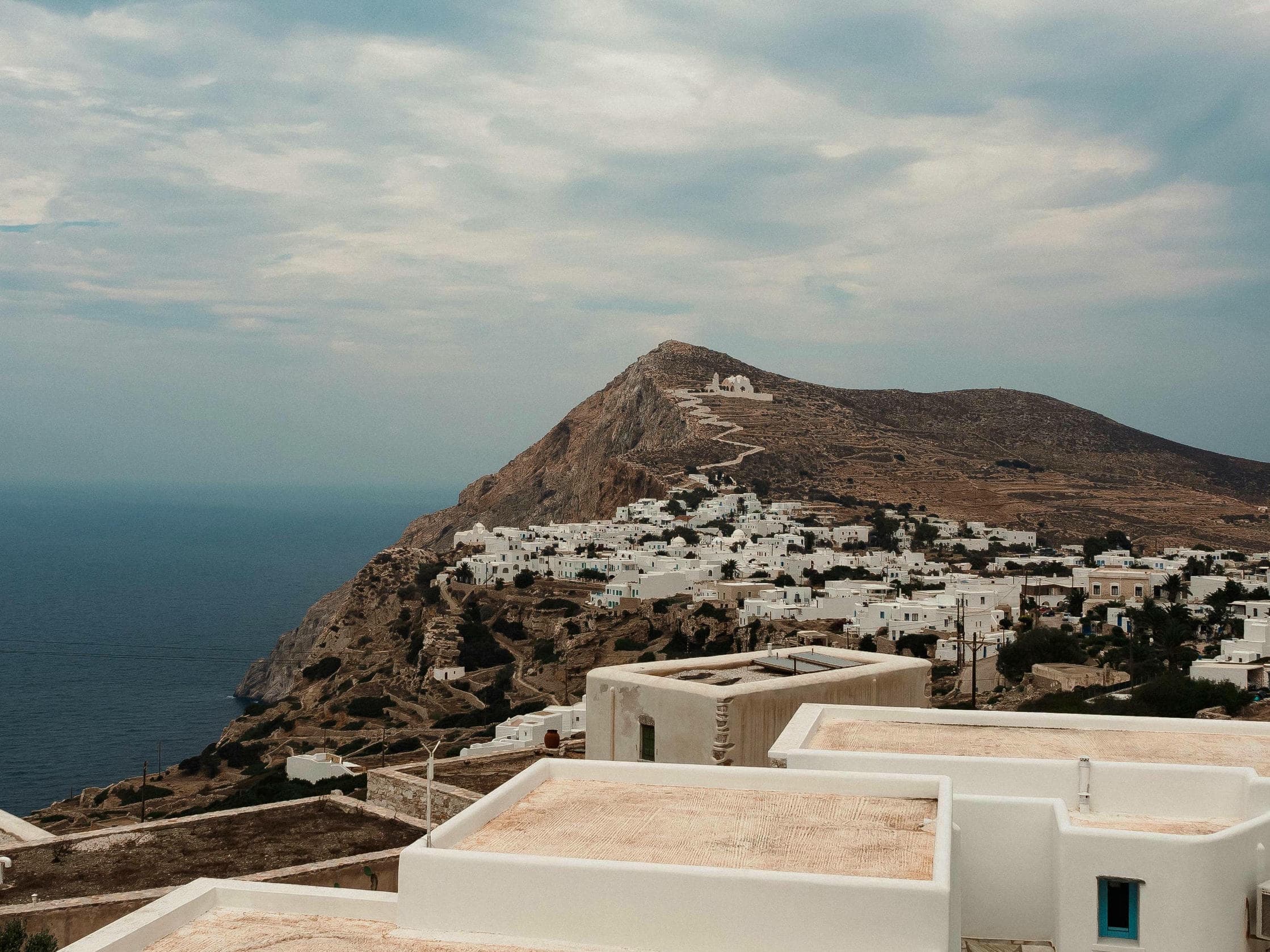
The broad marble avenue running uphill to the Church of Panagia Evangelistria dominates Tinos Town. But step off the pilgrimage route and you'll find a lively waterfront with excellent restaurants, a market selling local cheeses and preserves, and the Archaeological Museum with finds from the ancient sanctuary of Poseidon at Kionia.
High in the mountains of northern Tinos, Pyrgos is an open-air museum of marble artistry. Every doorway, fountain, and lintel showcases a stone-carving tradition that goes back centuries. The Museum of Marble Crafts, the Chalepas Museum (dedicated to the sculptor Yannoulis Chalepas, 1851–1938), and working artisan studios make it one of the most culturally dense villages in the Cyclades.
Volax sits in a valley covered with enormous, smooth, rounded boulders that scientists attribute to volcanic activity millions of years ago. Nobody's fully explained why they're here and nowhere else on the island. The tiny village is known for its basket-weaving tradition and has a small open-air amphitheatre set among the rocks.
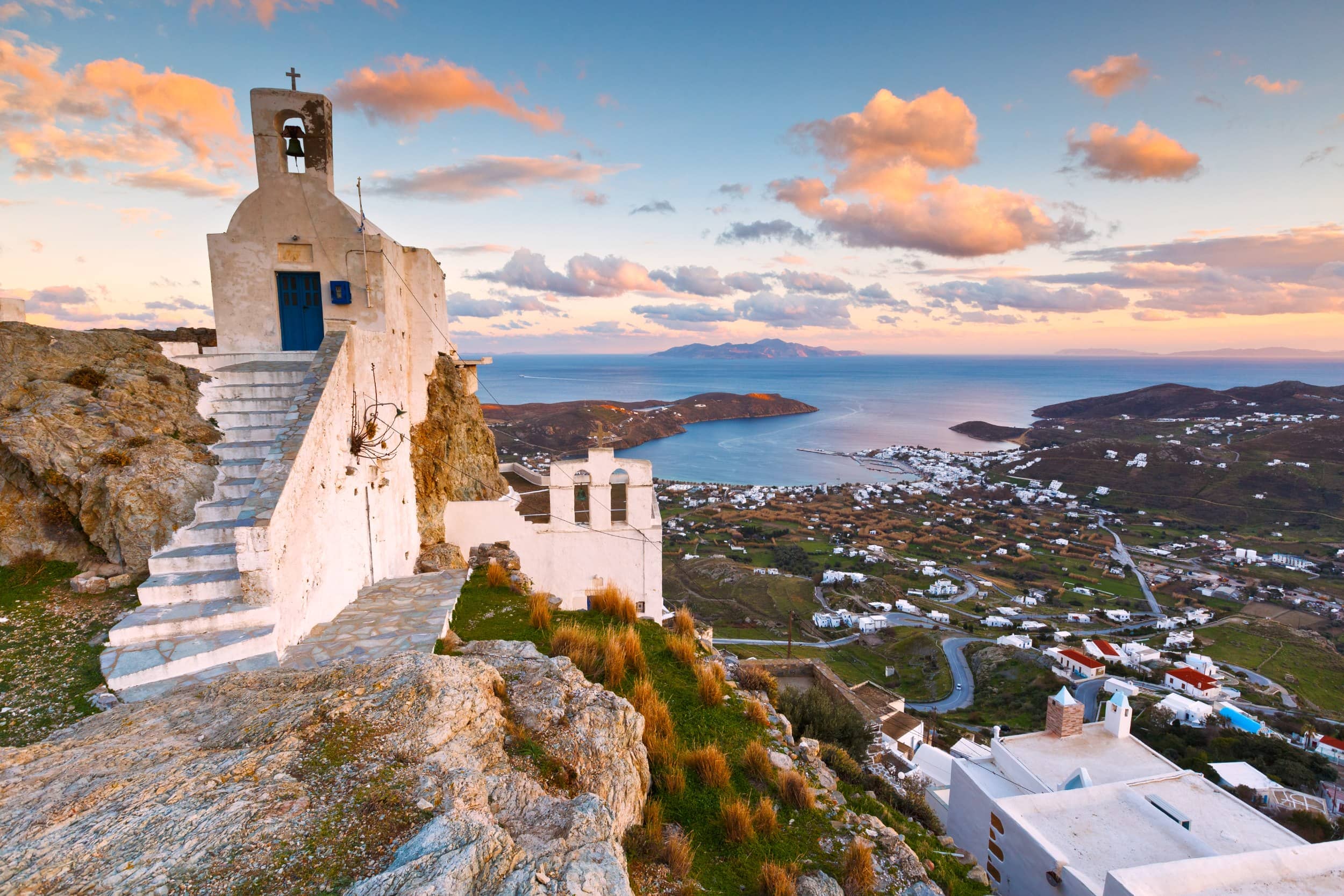
Kardiani clings to the island's western slopes with views across the Aegean to Syros. Whitewashed houses, flowering courtyards, and narrow lanes make it feel like a village that hasn't needed to change. It's genuinely peaceful, and the sunsets from here are among the best on Tinos.
Isternia is another marble-carving village in the northwest, set on a mountainside with sea views that drop away sharply below. The village is known for its artists, its marble-decorated public buildings, and Isternia Bay at the bottom of a winding road: a small beach with fish tavernas that are worth the drive alone.
Boutique villas, cave hotels, and sea-view suites — all in one place.
The best shores of Tinos
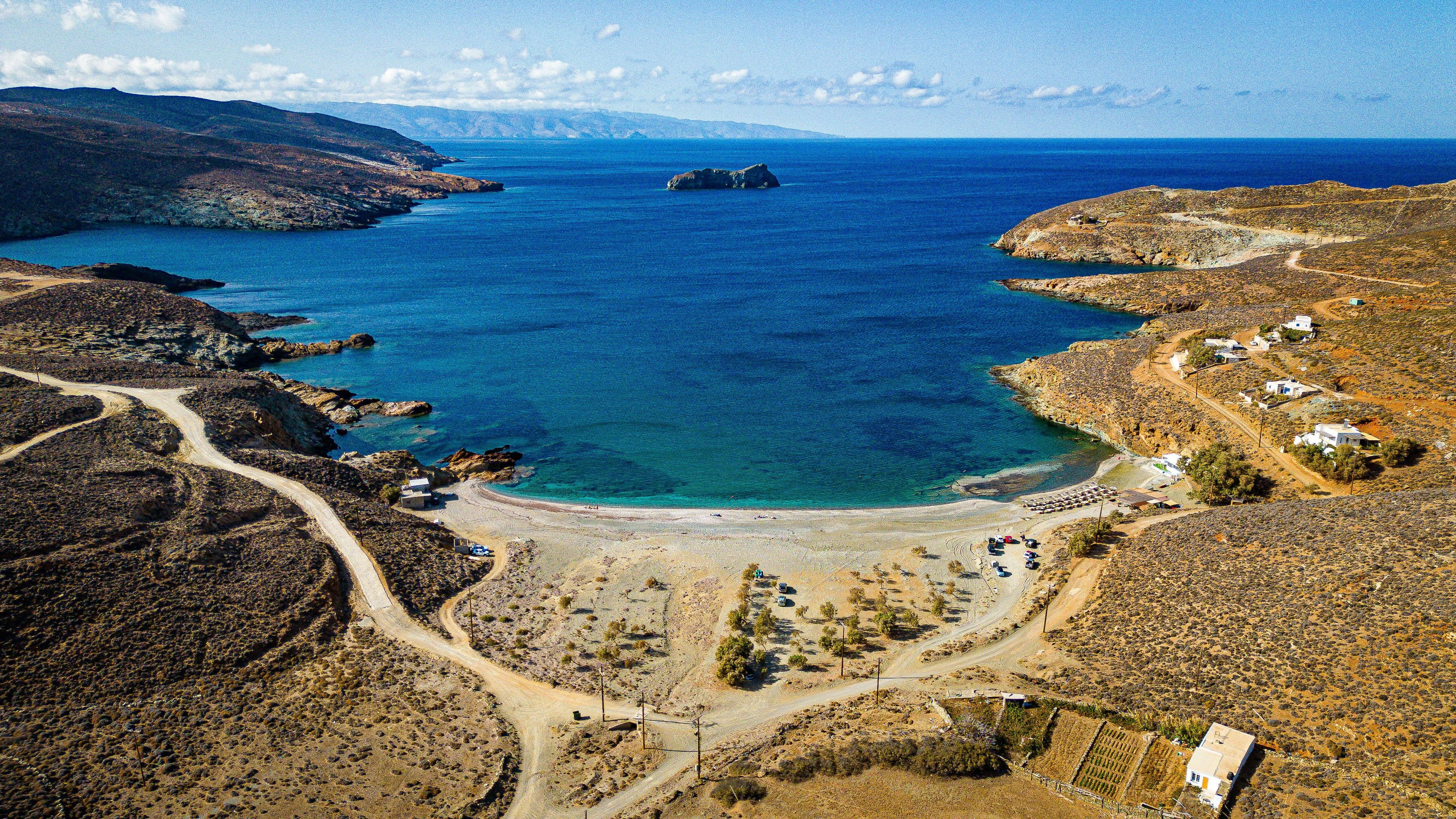
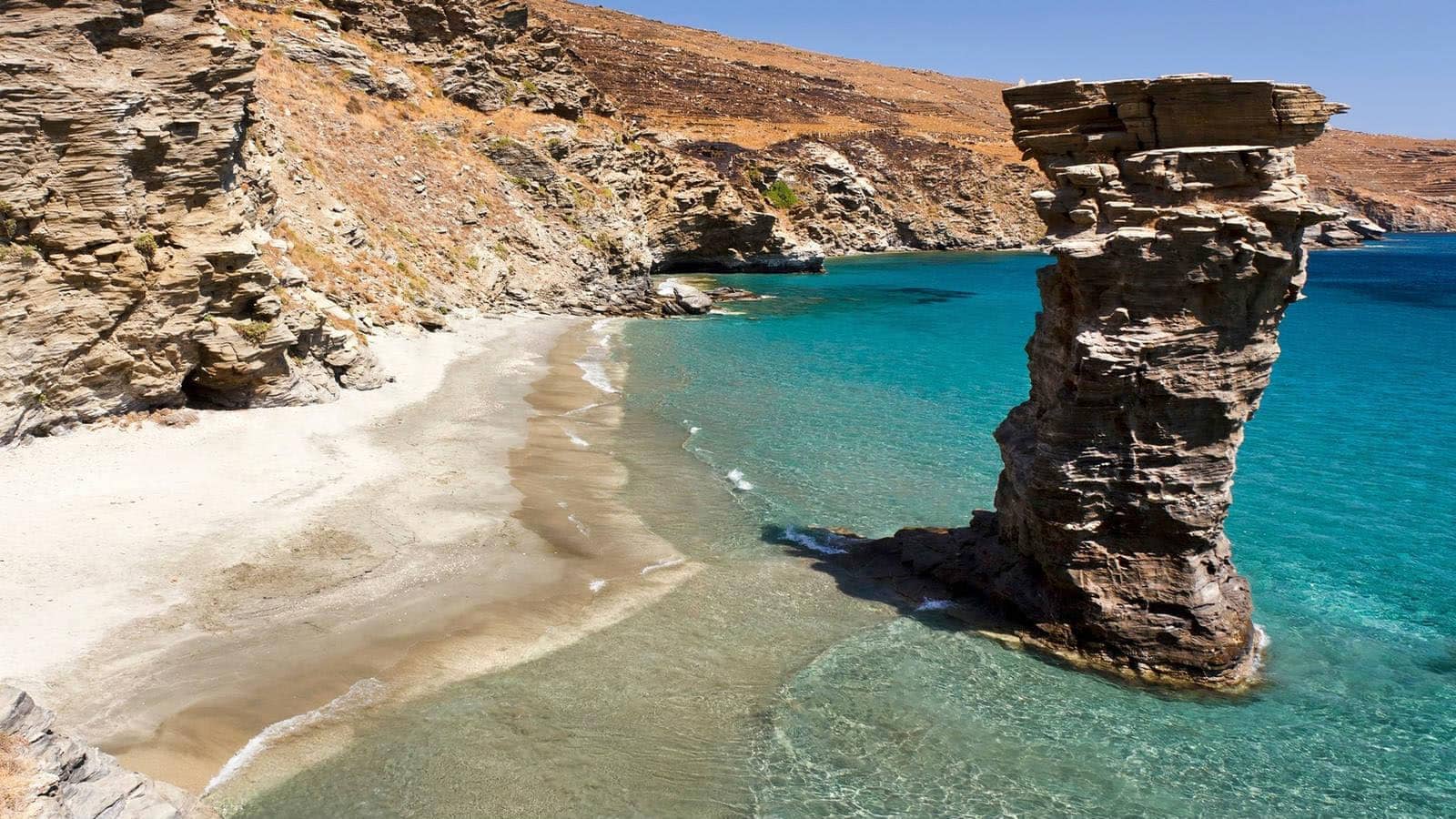
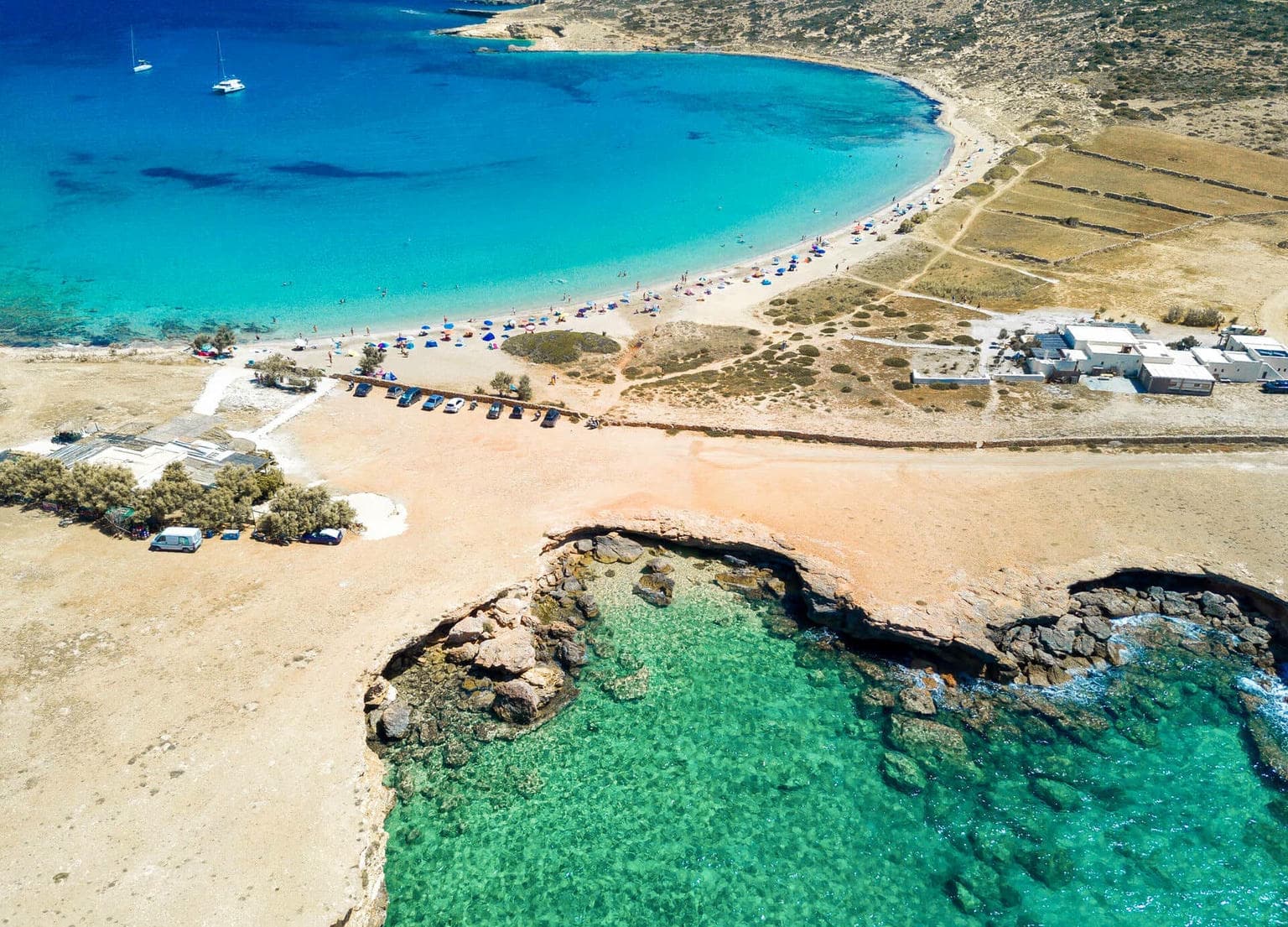
Two sandy bays on the north coast. The large bay has sunbeds and occasional surf; the small bay has rock formations and calm, emerald water
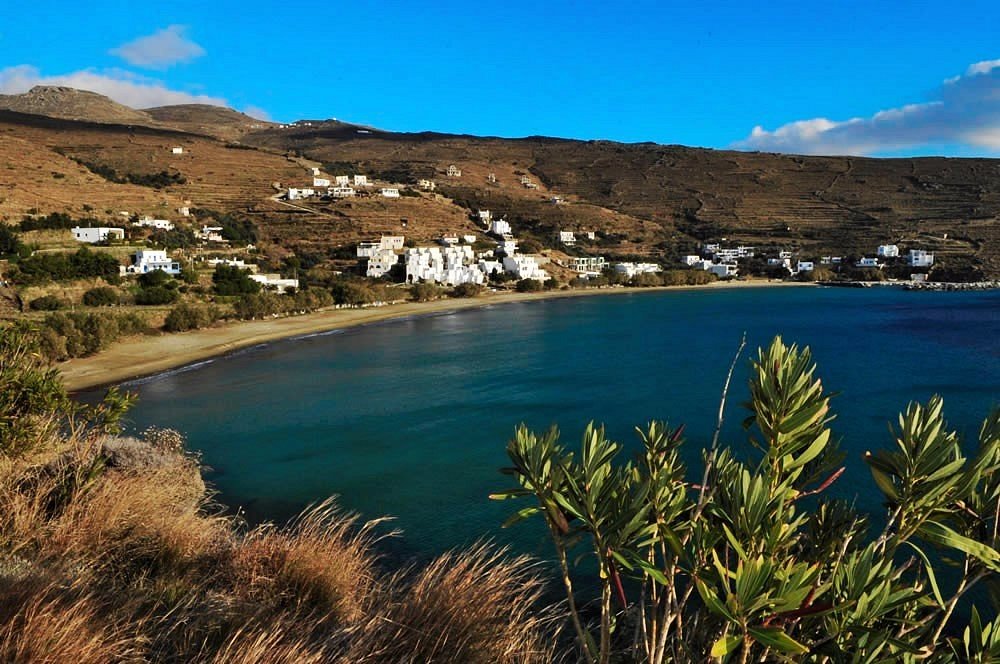
A long, sandy south-coast beach with a gentle slope into the water, a beach bar, and reliable facilities. One of the most family-friendly spots on Tinos
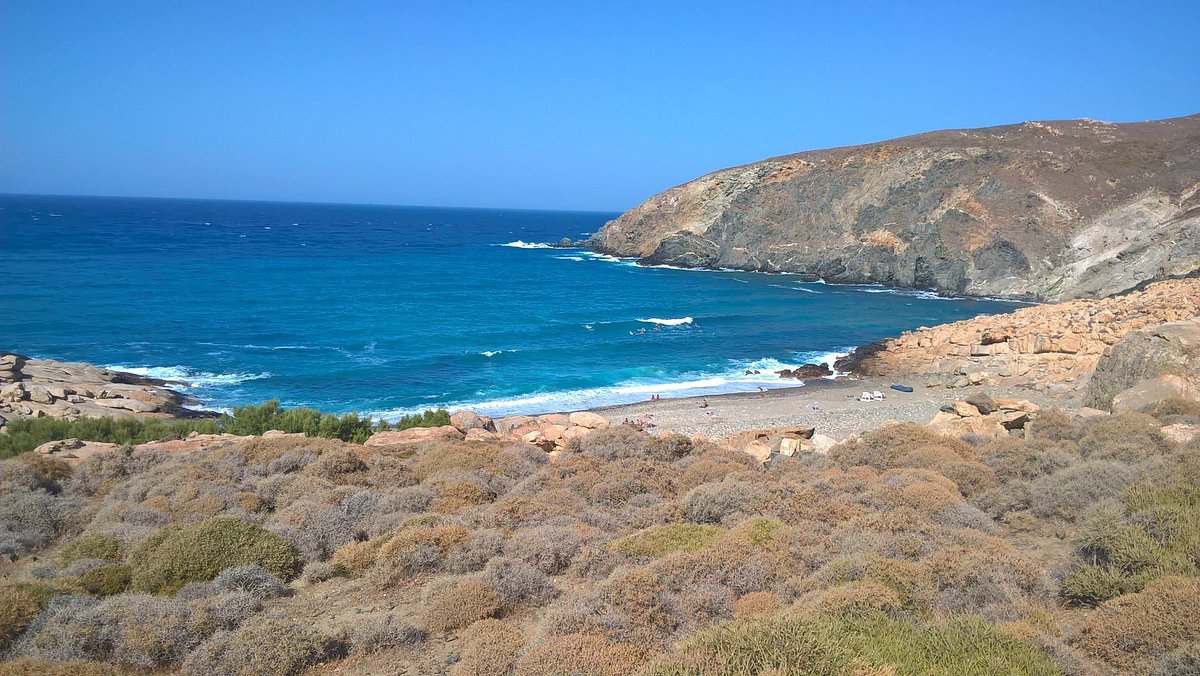
A sandy east-coast beach backed by green hillsides, with calm water and a beach bar serving excellent food. A favourite among return visitors
A pebbly beach below the marble village of Isternia, in a bay with excellent fish tavernas. Swimming first, then lunch at the water's edge
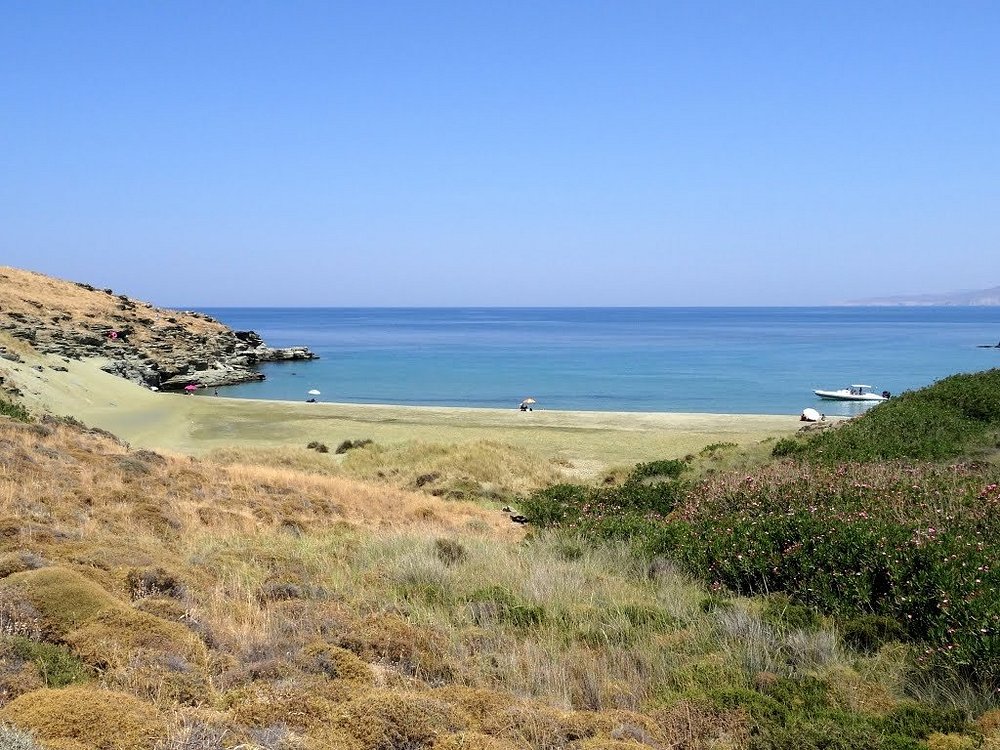
A generous stretch of sand on the east coast, less visited because the road is partially unpaved. Golden sand and very few people as a result
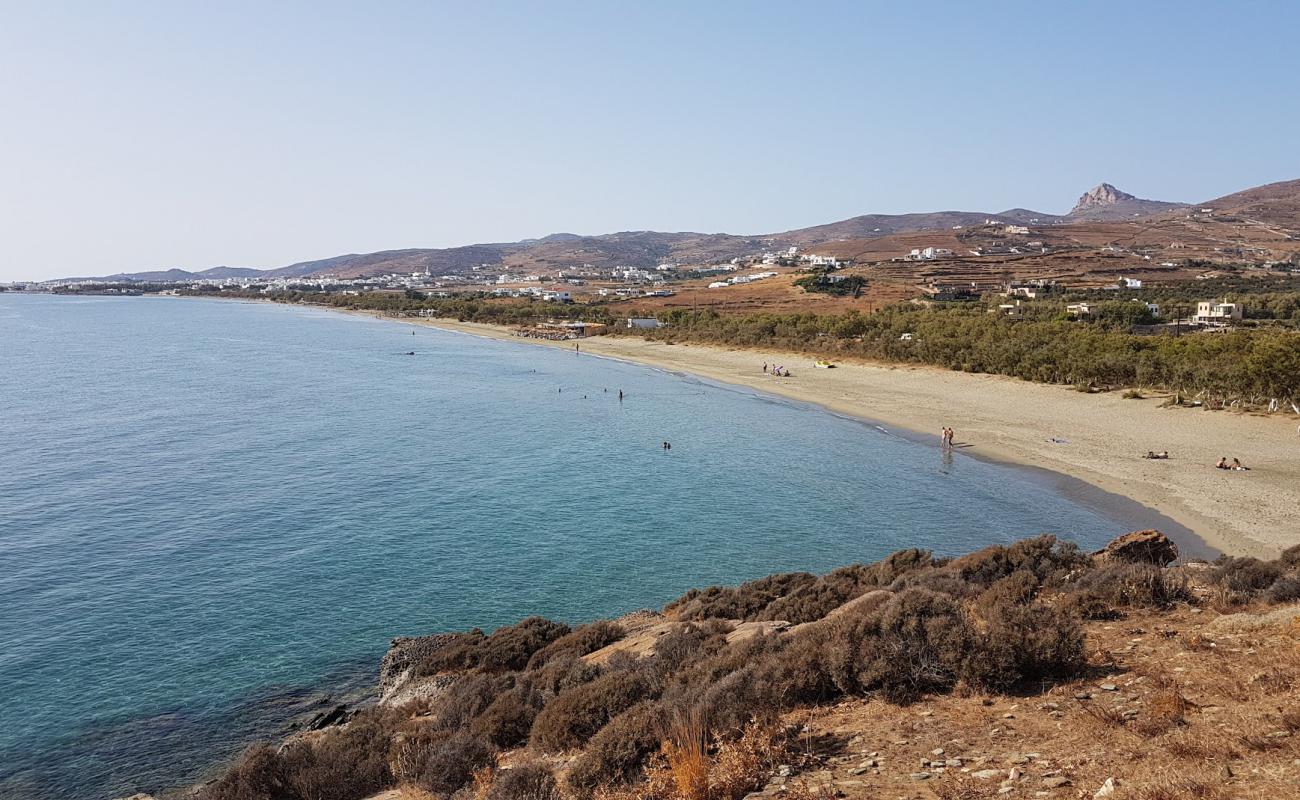
The closest organised beach to Tinos Town, with sunbeds, a beach bar, and reliable swimming. Good for a quick dip without a long drive
Explore every beach and hidden village at your own pace.
An island of artisan producers, where cheese, capers, and sun-dried flavours get the same care as marble sculptures
Air-cured pork loin seasoned with pepper and allspice, thinly sliced. Tinos's signature charcuterie, aged in the mountain wind and served with local cheese and bread.
Small, round balls of tangy sheep's milk cheese aged in brine. A Tinian specialty produced in tiny quantities, protected by its village origins.
Tinos is known for its artichokes: braised with broad beans, stuffed with rice and herbs, or served raw in salads. Springtime here is artichoke season, and restaurants build menus around them.
A Tinian omelette loaded with local sausage, potatoes, and seasonal greens. It's a hearty village breakfast or meze that works at any hour.
Tomatoes dried in the Aegean sun and pounded into a concentrated paste with olive oil. A pantry staple that adds intense flavour to pastas, breads, and stews.
Wild capers harvested from the island's rocky hillsides, brined and served whole or as caper leaves. They give Tinian summer salads their sharp, salty edge.
From sunrise to sunset in Tinos
Walk up the broad marble avenue from the port to the Church of Panagia Evangelistria in the early morning light. Whether or not you share the faith, the church's art collection and the peaceful courtyard garden are genuinely impressive. Go early before the tour groups arrive.
1 hourDrive to the mountain village of Pyrgos and immerse yourself in Greece's marble heritage. Visit the Museum of Marble Crafts, the Chalepas Museum, and working workshops where artisans shape stone by hand. The village square under ancient plane trees is perfect for a coffee break.
3 hoursFollow the network of paths through the Tinian countryside to discover the island's famous dovecotes. The area around Tarabados has the highest concentration: ornate stone towers decorated with geometric sun and diamond motifs, set against a dramatic landscape of terraced hillsides.
3-4 hoursVisit the surreal village of Volax, surrounded by enormous rounded boulders left by ancient volcanic activity. Watch basket weavers at work, explore the tiny amphitheatre among the rocks, and try to figure out why these boulders ended up here and nowhere else on the island.
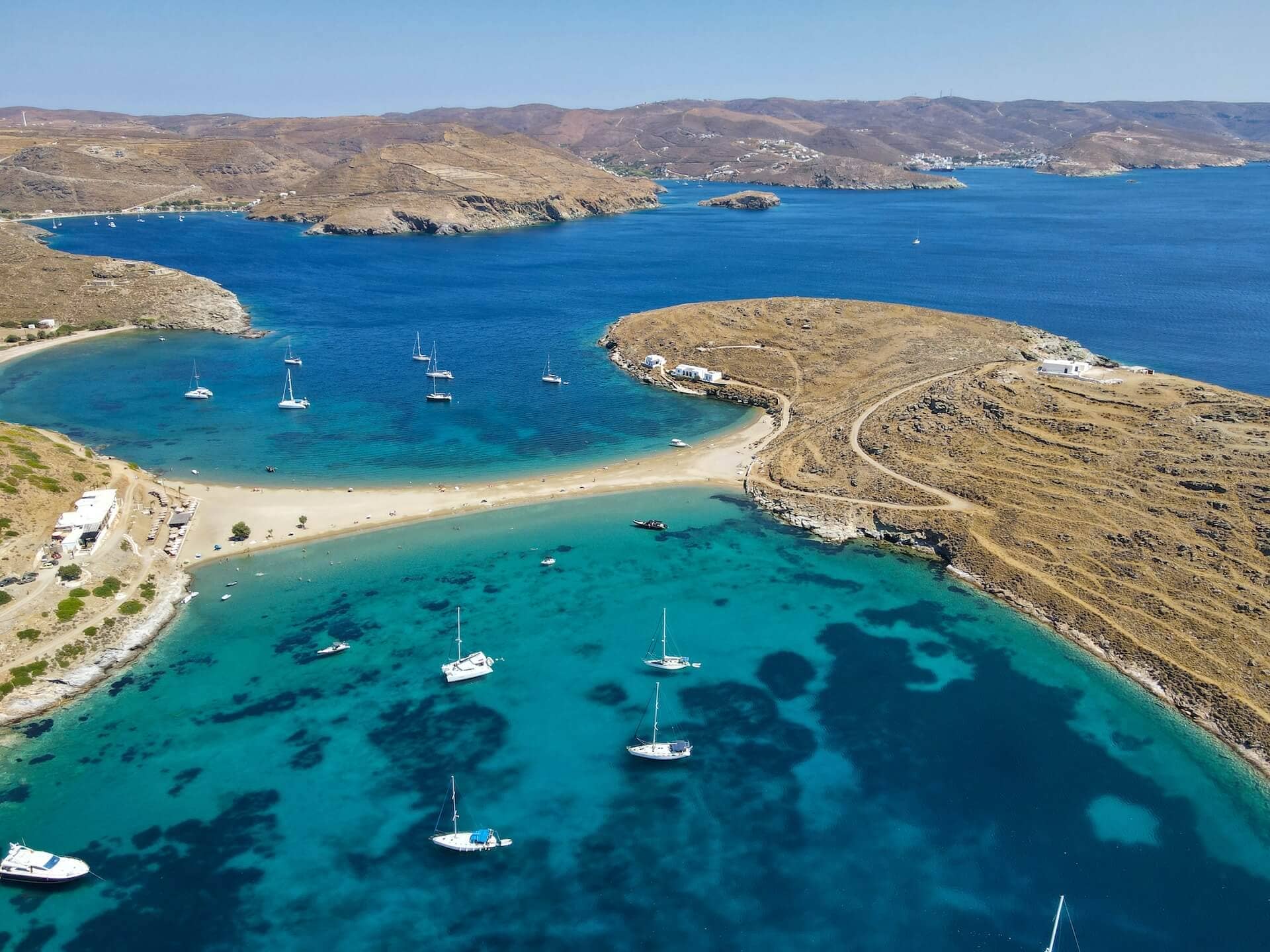
1.5 hoursHead to the twin bays of Kolymbithra on the north coast for a day of exceptional swimming. The large bay has organized facilities and occasional surf, while the smaller bay is sheltered, with dramatic rock formations and emerald water perfect for snorkeling.
4 hoursSpend an afternoon driving between Tinos's 40-plus villages, stopping for artisan cheese tastings, louza sampling, and coffee in village squares. Kardiani, Isternia, and Arnados each have their own character and their own specialities.
3-4 hoursTime your village exploration so you're at Kardiani for sunset. The western slopes give you an unobstructed view across the Aegean to Syros, and the golden light on the whitewashed houses is hard to beat.
1 hourDescend the winding road to Isternia Bay for a waterfront seafood dinner. The tavernas here serve fresh-caught fish, Tinian capers, and local cheese. You eat with the sound of waves and, if you're lucky, a canopy of stars.
2.5 hoursSailing trips, sunset cruises, diving, cooking classes and more.
Find the perfect time for your Tinos trip
Ferry routes and travel connections
Fast booking, instant confirmation. Compare operators and prices.
Tinos connects to 3 nearby islands by ferry. These are the most popular island-hopping routes from Tinos, with direct connections running throughout the season.
World-famous nightlife, beach clubs, and Delos, making it the closest and most iconic hop.
Elegant Ermoupoli with neoclassical grandeur and authentic year-round Cycladic city life.
Lush green valleys, waterfalls, hiking trails, and contemporary art museums.
Curated tours and activities
Guided tour of Pyrgos and Isternia's marble heritage, including museum visits, artisan demonstrations, and village exploration.
Guided walk through the Tarabados dovecote area with stories of the island's Venetian heritage and architectural traditions.
Village-hopping tour with cheese tastings, local produce markets, and a traditional lunch, offering a deep dive into Tinian gastronomy.
Insider tips for your Tinos trip
Hand-picked Cyclades photography — refreshed weekly from Pexels.
Photography via Pexels — credit shown per image.
Everything you need to know about Tinos
Our AI travel assistant knows everything about Tinos
One email every two weeks: new beaches, ferry changes, hotel deals. No spam.
Marble villages, a thousand dovecotes, the sacred steps of Panagia Evangelistria, and the boulder fields of Volax. Tinos is the Cyclades' deepest cultural treasure, and it's only 30 minutes from Mykonos.