

Things To Do in Milos 2026 | Sarakiniko, Beaches & Sea Caves
Sarakiniko's white pumice, Klima's coloured boat-garages, ancient catacombs & boat-only Tsigrado cove. The 25 best things to do in Milos — written by locals.
Explore 24 unique islands, from popular hotspots to hidden gems.
Compare ferries, flights, and car rentals for the perfect journey.
Find luxury villas, boutique hotels, and authentic stays.
Book top-rated tours, cruises, and local experiences.
Let Touristas AI create your perfect island-hopping itinerary.
Sarakiniko's white pumice, Klima's coloured boat-garages, ancient catacombs & boat-only Tsigrado cove. The 25 best things to do in Milos — written by locals.

Volcanic moonscapes, colorful fishing ports, and more than 80 beaches on the most geologically unique island in Greece
Milos, Greece is a volcanic island in the southwestern Cyclades, famous for its unique coastal landscapes like the white moonscape of Sarakiniko and the Kleftiko sea caves. You can reach the island by a 45-minute flight from Athens or a 3-hour high-speed ferry from Piraeus.
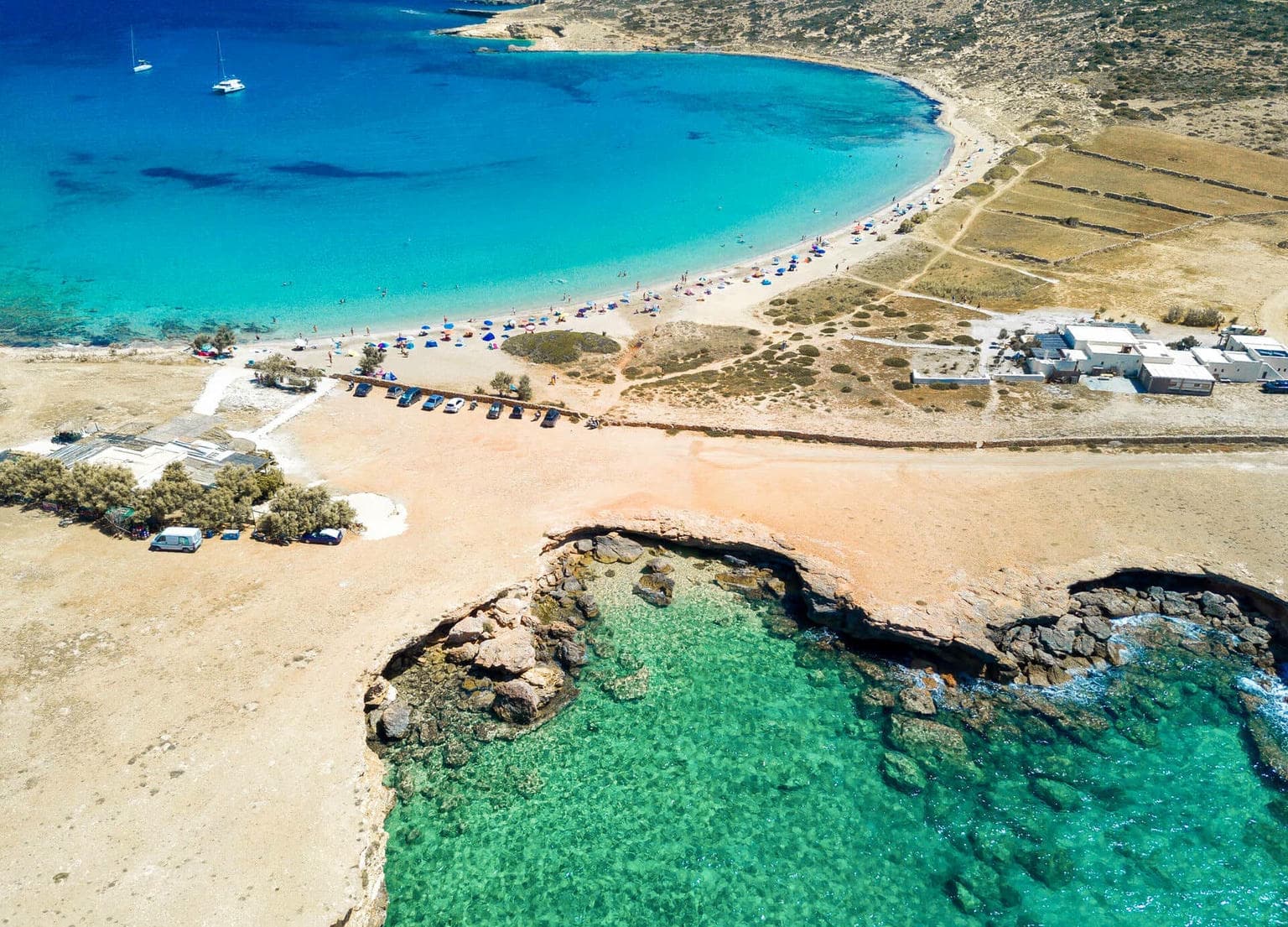
Milos is a showcase of geological wonders. Formed by volcanic activity, this horseshoe-shaped island in the southwestern Aegean Sea has a coast so varied that every cove looks like a different world. The white volcanic cliffs of Sarakiniko rise from turquoise water like a bleached moonscape, while the emerald sea caves of Kleftiko offer natural swimming pools. With over 80 sandy beaches, it's an easy place to explore, and you can easily find a quiet spot of your own.
The island is also rich in history. This is where a farmer discovered the Venus de Milo in 1820, the famous ancient Greek statue now displayed in the Louvre Museum in Paris. You can visit early Christian catacombs dug into the soft volcanic stone, or sit in the ancient Roman theater overlooking the water. Milos was a major trading hub since the Bronze Age, known for its valuable obsidian and mineral mines.
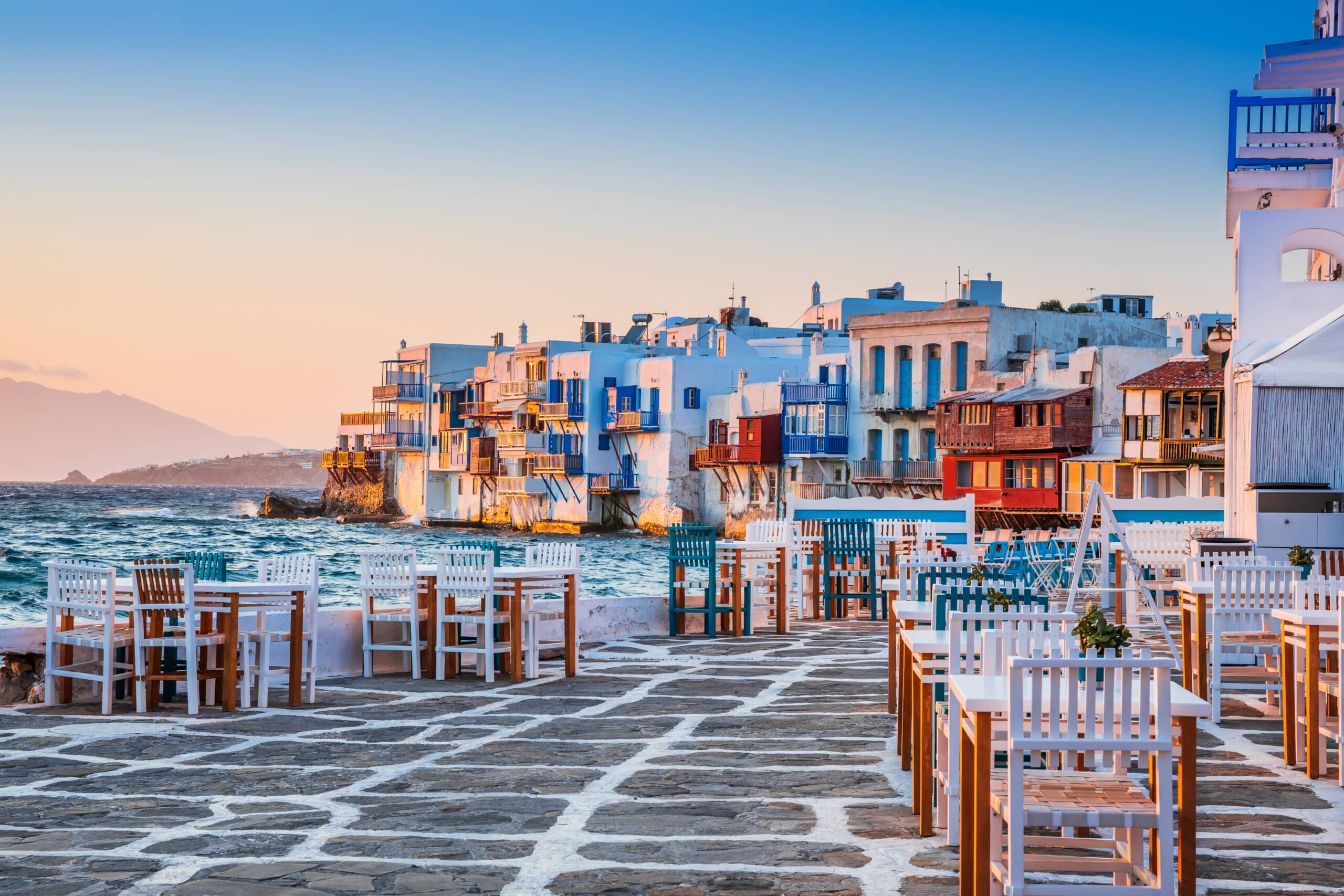
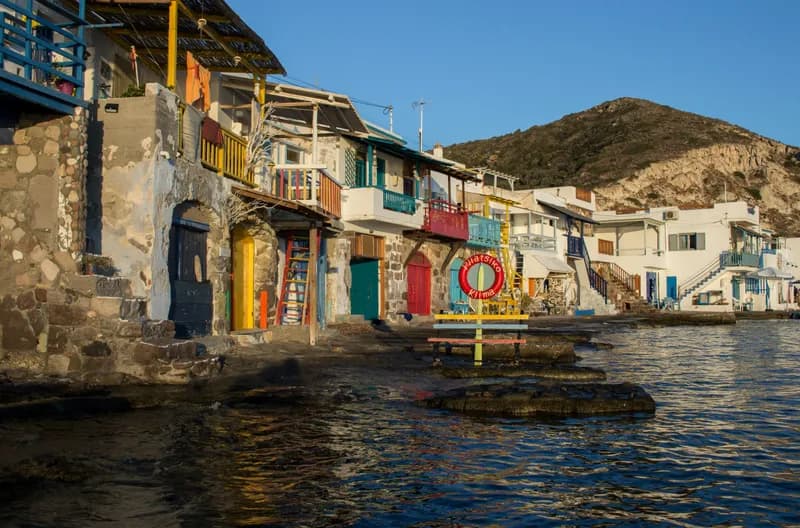
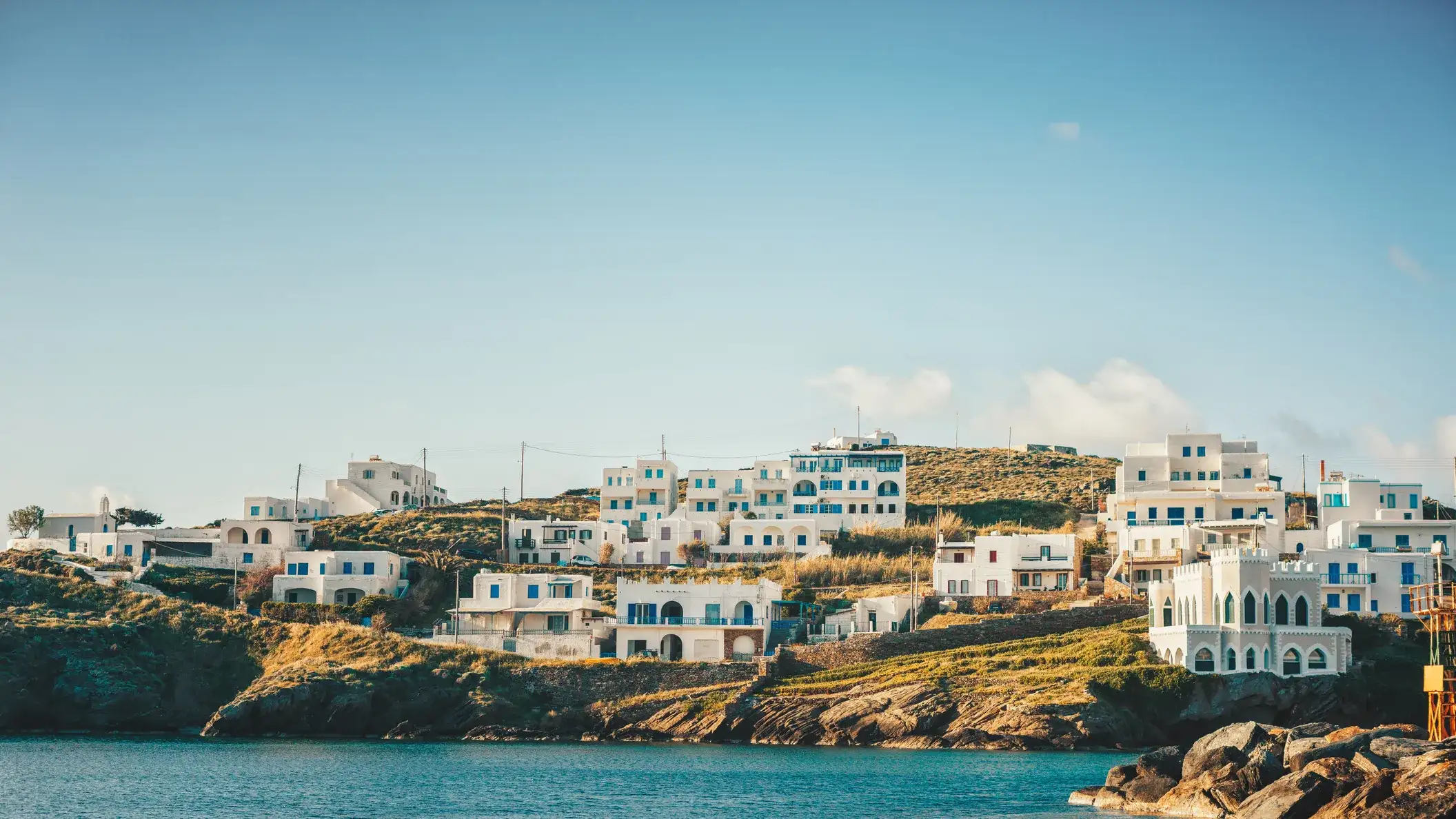
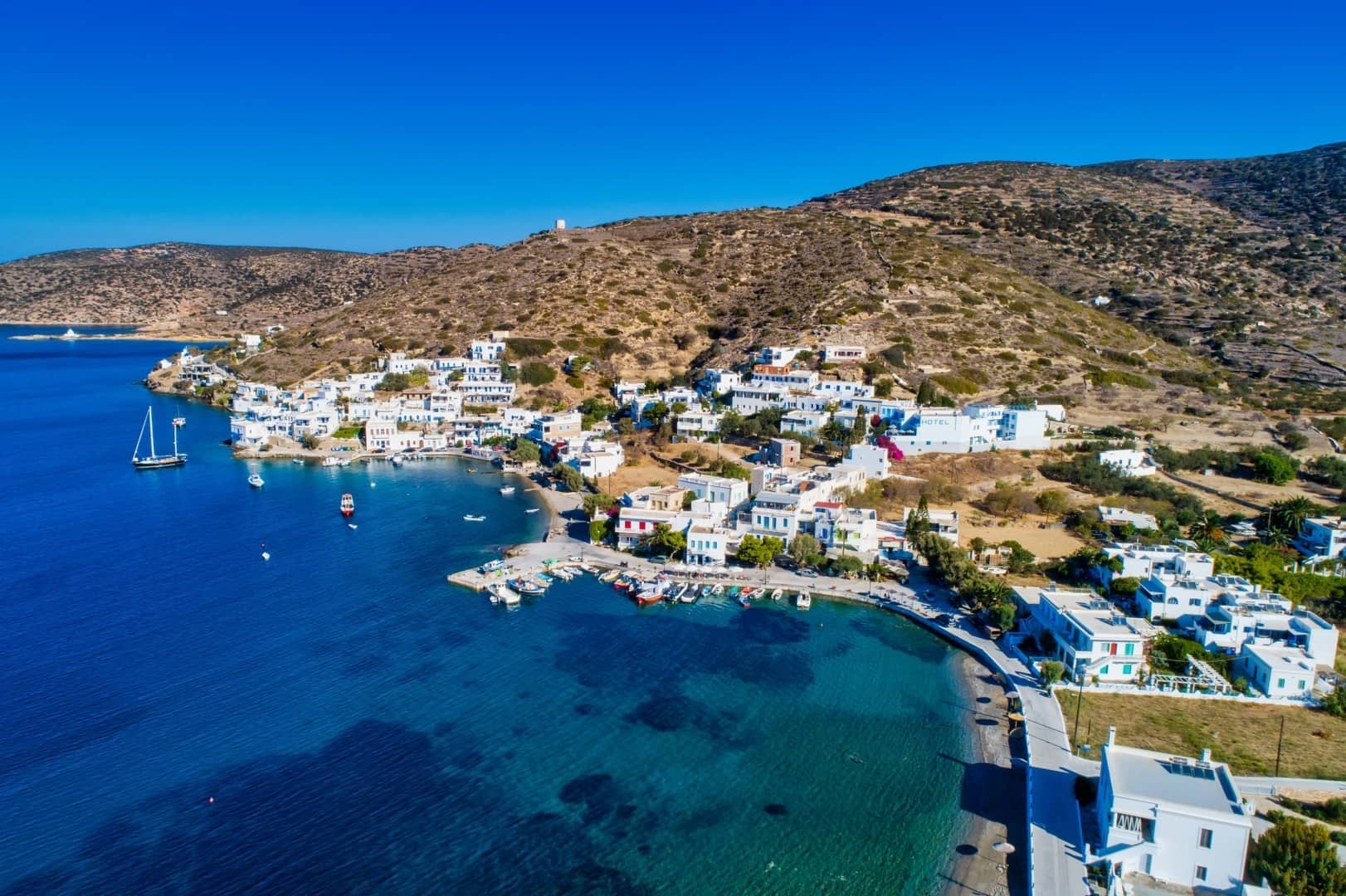
The traditional fishing harbors here are incredibly colorful. Villages like Klima and Mandrakia are lined with syrmata, which are old boat garages carved into the water-edge rock. These garages have brightly painted doors in every shade, with tiny apartments built right above them. You'll find excellent tavernas in Adamas and Plaka, hilltop views for sunset, and warm mineral springs along the coast.
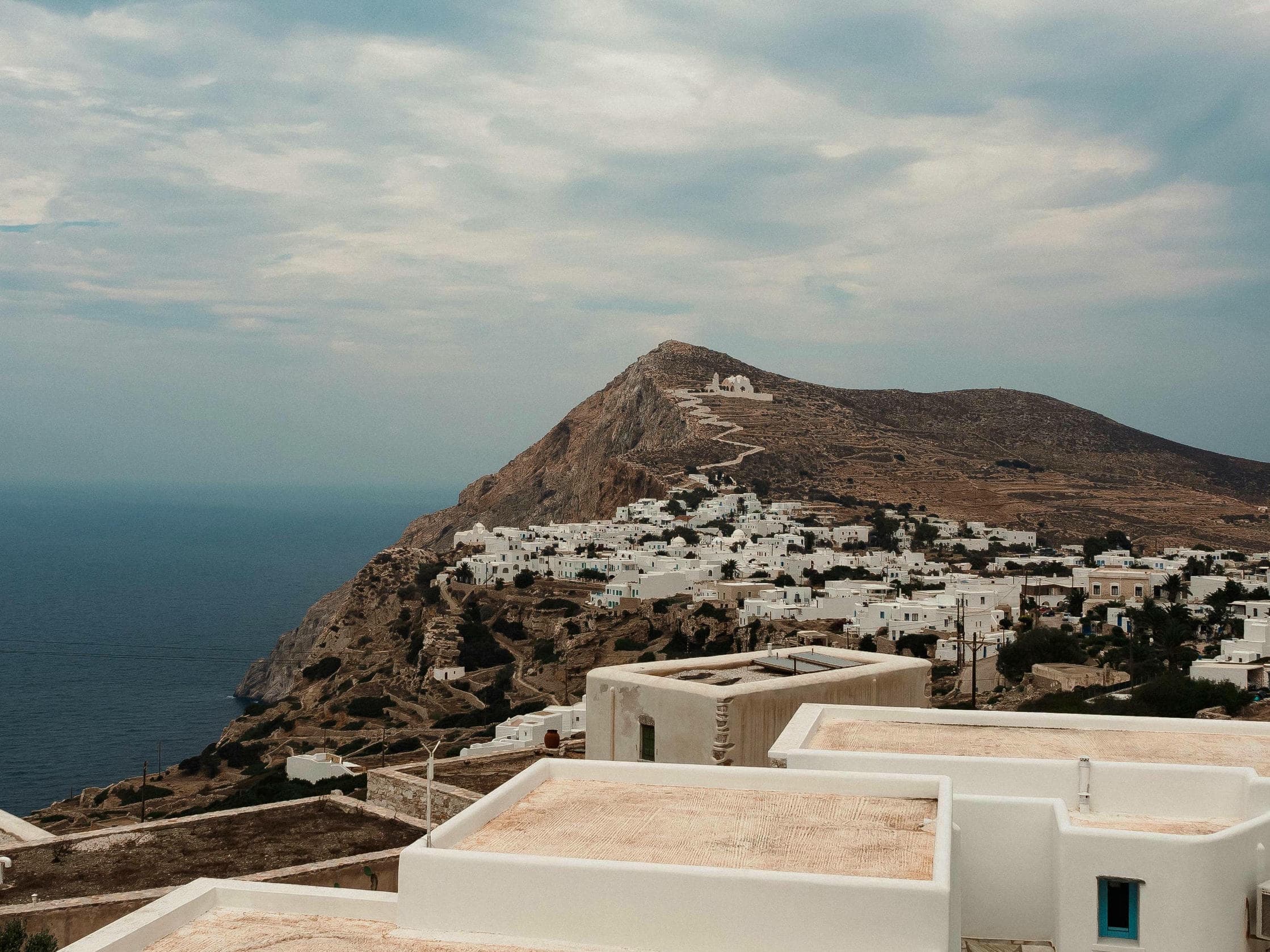
Milos shapes white stone and emerald sea in ways you won't find anywhere else in the Cyclades.
Milos offers a diverse range of neighborhoods, each with its own soul. Whether you seek the caldera views of Santorini, the vibrant nightlife of Mykonos, or the traditional charm of Naxos, choosing the right base is essential.
Handpicked hotels with exceptional reviews and local character.
Detailed breakdowns of every neighborhood and village.

Expert Recommendation
"For the first-time visitor, staying in the main Chora provides the best balance of accessibility and atmosphere."
Prehistoric traders valued Milos for its large deposits of obsidian. This dark volcanic glass was the Stone Age's sharpest tool material. Archaeologists have found Milos obsidian across the Aegean Sea, proving that active maritime trade routes existed as early as 8000 BC, long before the Bronze Age.
In 1820, a local farmer dug up a beautiful marble statue in a field near the ancient Roman theater. The statue of Aphrodite, known as the Venus de Milo, is an iconic ancient Greek masterpiece. Today, it sits in the Louvre Museum in Paris. A replica is kept in Plaka, but the mystery of the original's missing arms still draws visitors.
Underground corridors near Klima hold the Catacombs of Milos, carved into the soft volcanic rock around the 1st to 3rd centuries AD. Over 2,000 early Christians were buried in these dark chambers. It's one of the few catacomb complexes of its kind in the world.
Locals have mined Milos for sulfur, obsidian, and industrial minerals for thousands of years. Today, mining remains a major industry alongside tourism. Excavations have shaped the island's red, orange, and white cliffs, creating the stark landscapes you see along the shore.
Explore the heart of Milos
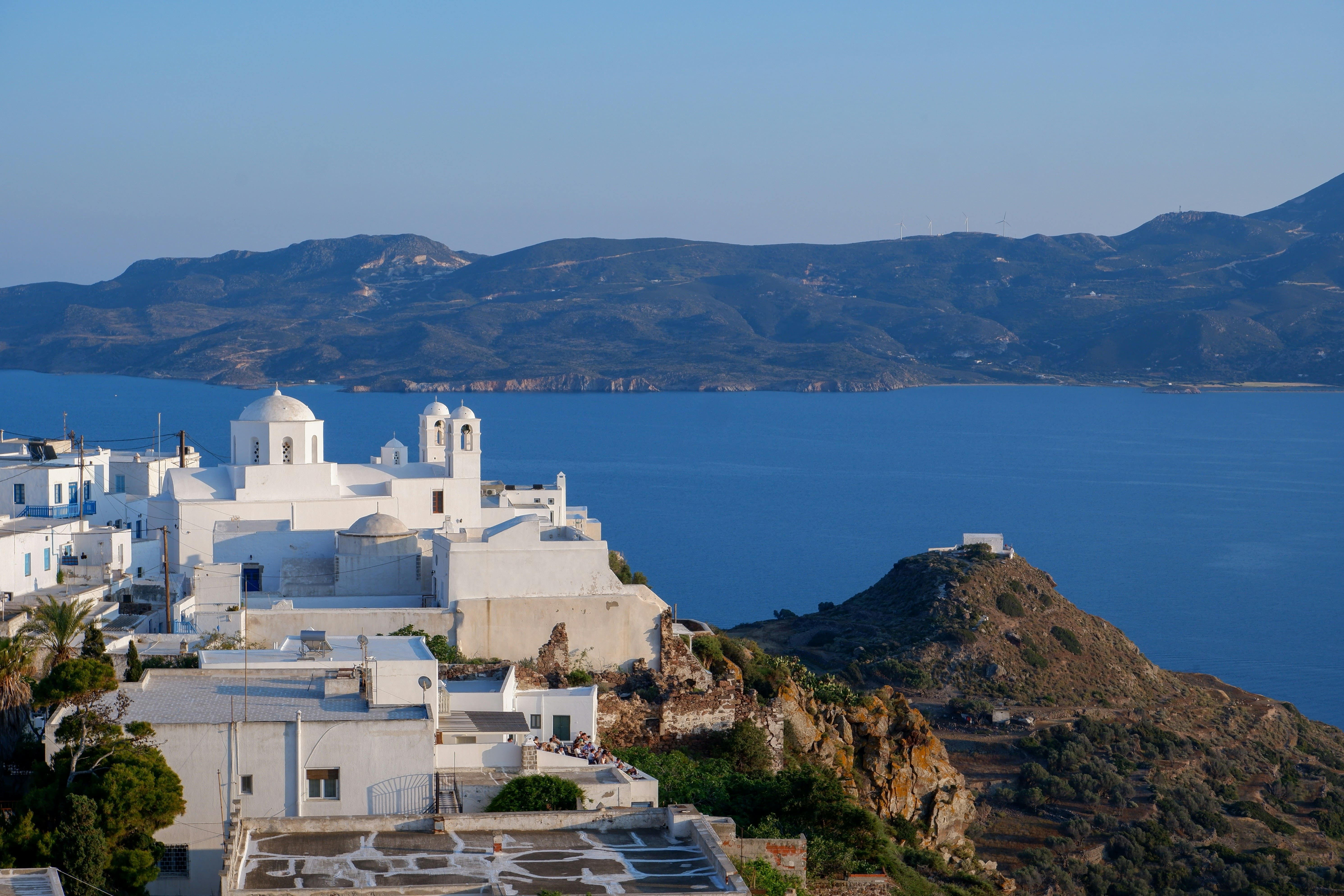
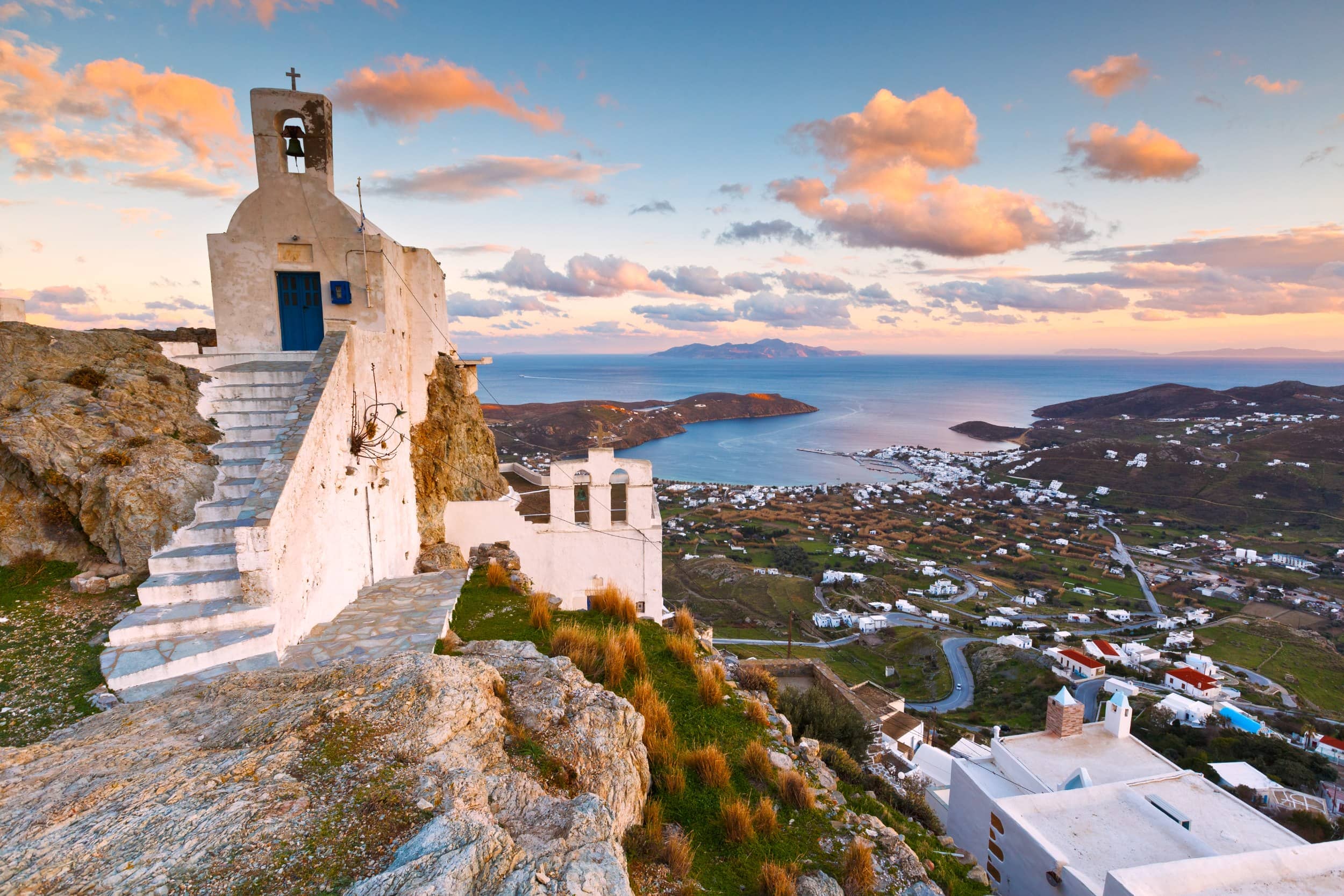
Plaka is the small capital of Milos, set high on a hill overlooking the bay. It's a peaceful town of whitewashed alleys, blue shutters, and climbing flowers. If you walk up to the old Venetian castle ruins at the summit, you'll get wide views of the sea at sunset. You'll also find traditional tavernas, a small archaeological museum, and local craft shops here.
Adamas is the main port and commercial hub of Milos, situated inside the island's large volcanic bay. The waterfront is lined with cafes, tavernas, and travel agencies. Most boat trips to Kleftiko and the sea caves leave from the harbor here. The town also houses the Milos Mining Museum, which highlights the island's industrial history.
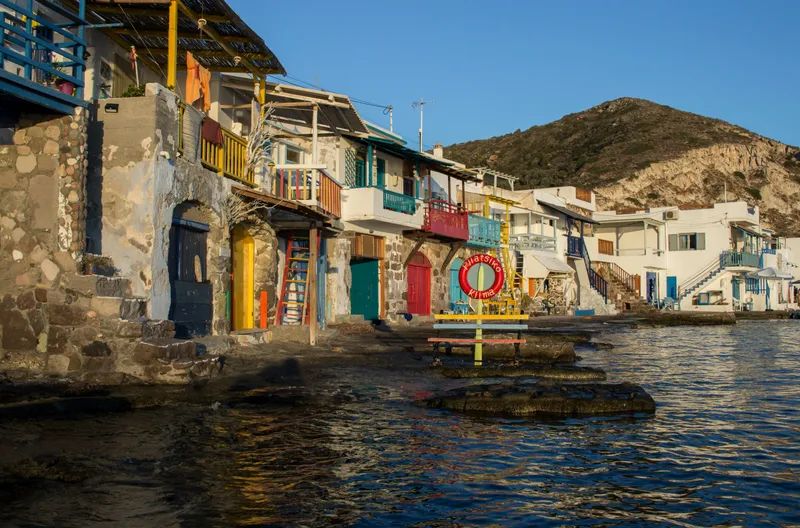
Klima is a tiny, old fishing settlement along the coast. It's famous for its syrmata, which are traditional boathouses cut directly into the soft volcanic rock. Each garage has a brightly painted door, with small apartments built above them for fishermen. The village sits right below the hillside where the Venus de Milo was found.
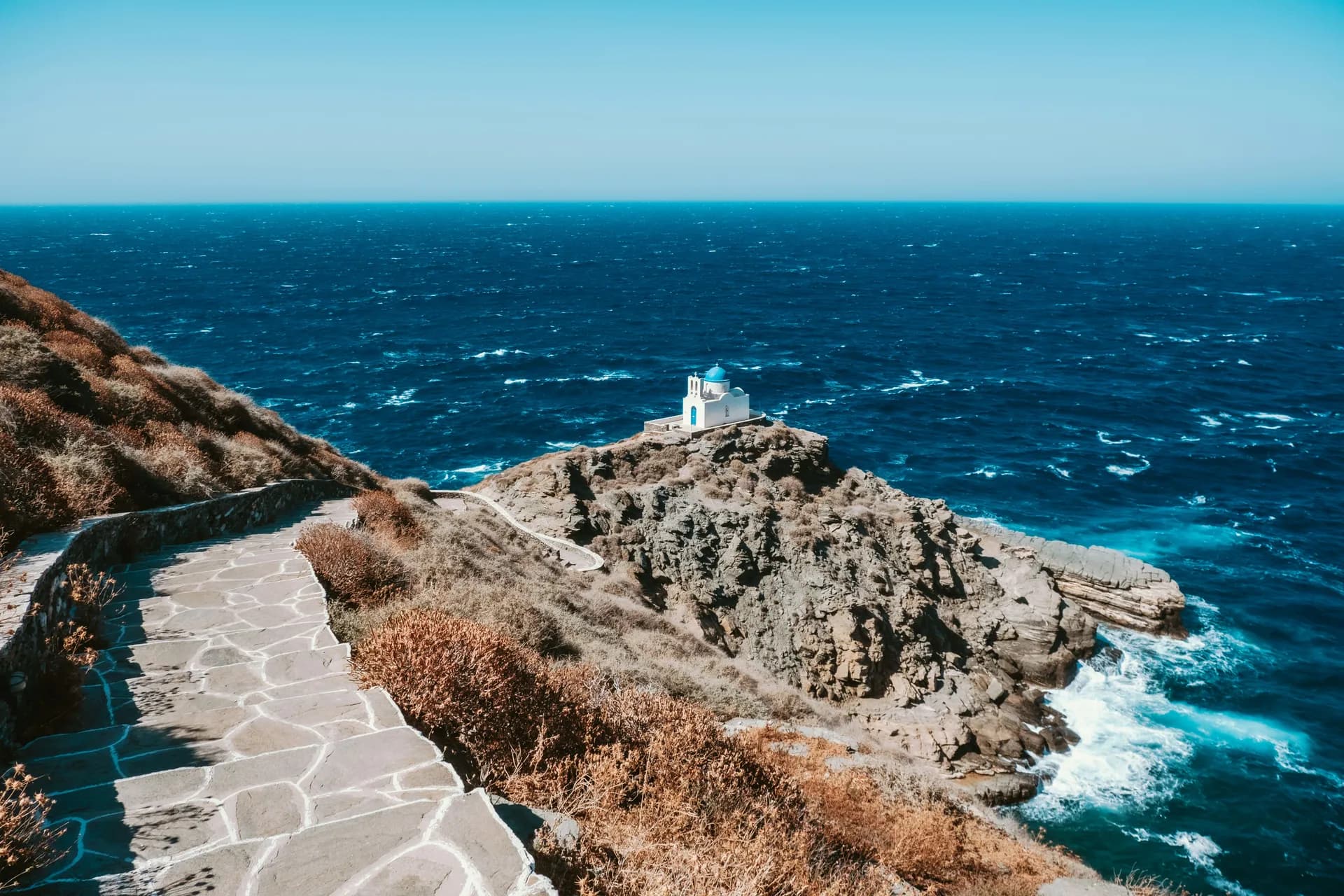
Mandrakia is a quiet fishing hamlet built around a small rocky harbor. You'll find a cluster of colorful boat garages and a small white church overlooking the water. The village has a single seafood taverna and a small pier where you can jump into the clear sea.
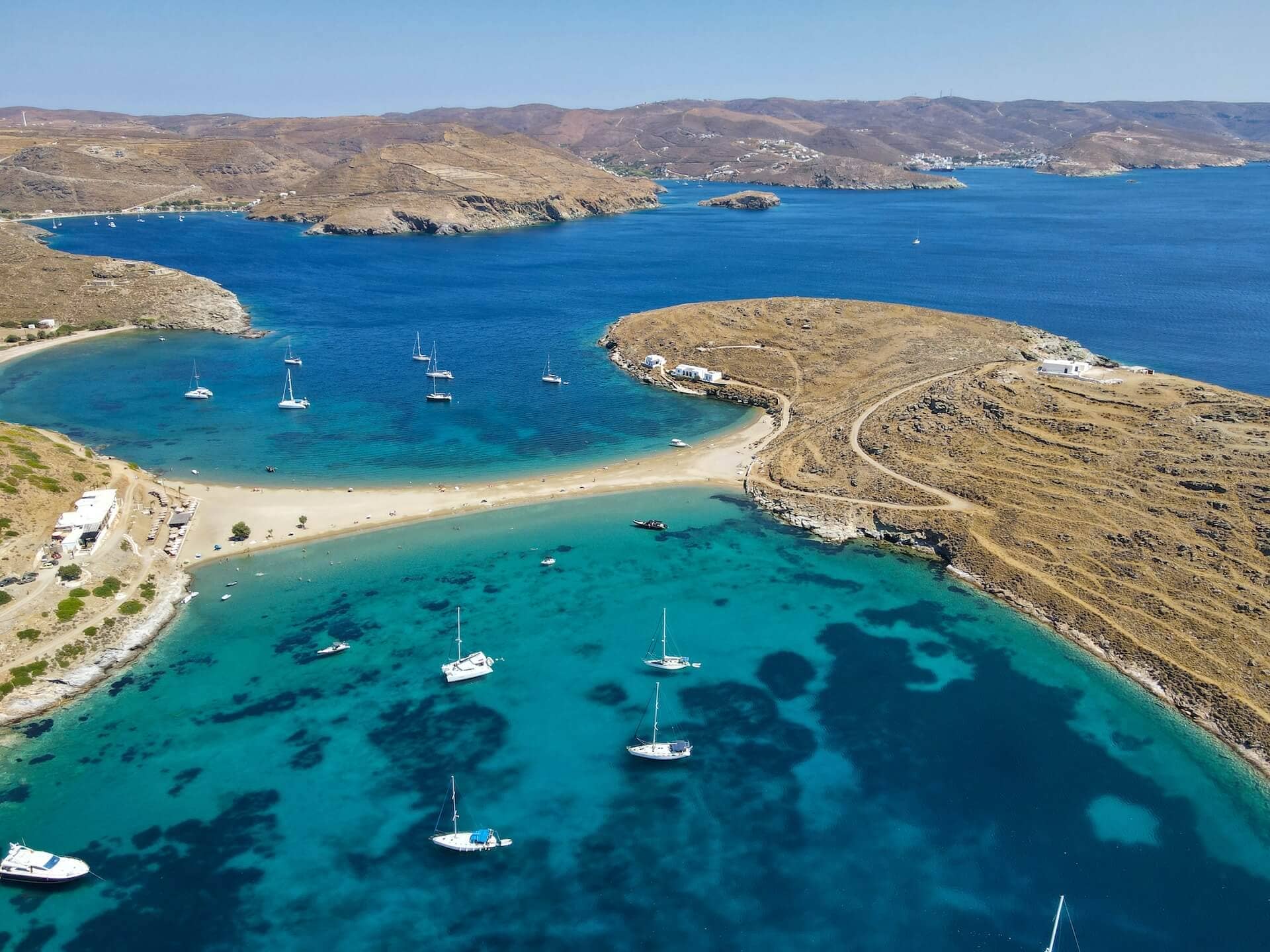
Pollonia is a relaxed beach village on the northeast tip of Milos. It's a popular spot for families, featuring a sandy beach, quiet waterfront, and excellent fish tavernas. Small car ferries run regular trips from Pollonia to the neighboring island of Kimolos.
Boutique villas, cave hotels, and sea-view suites — all in one place.
The best shores of Milos
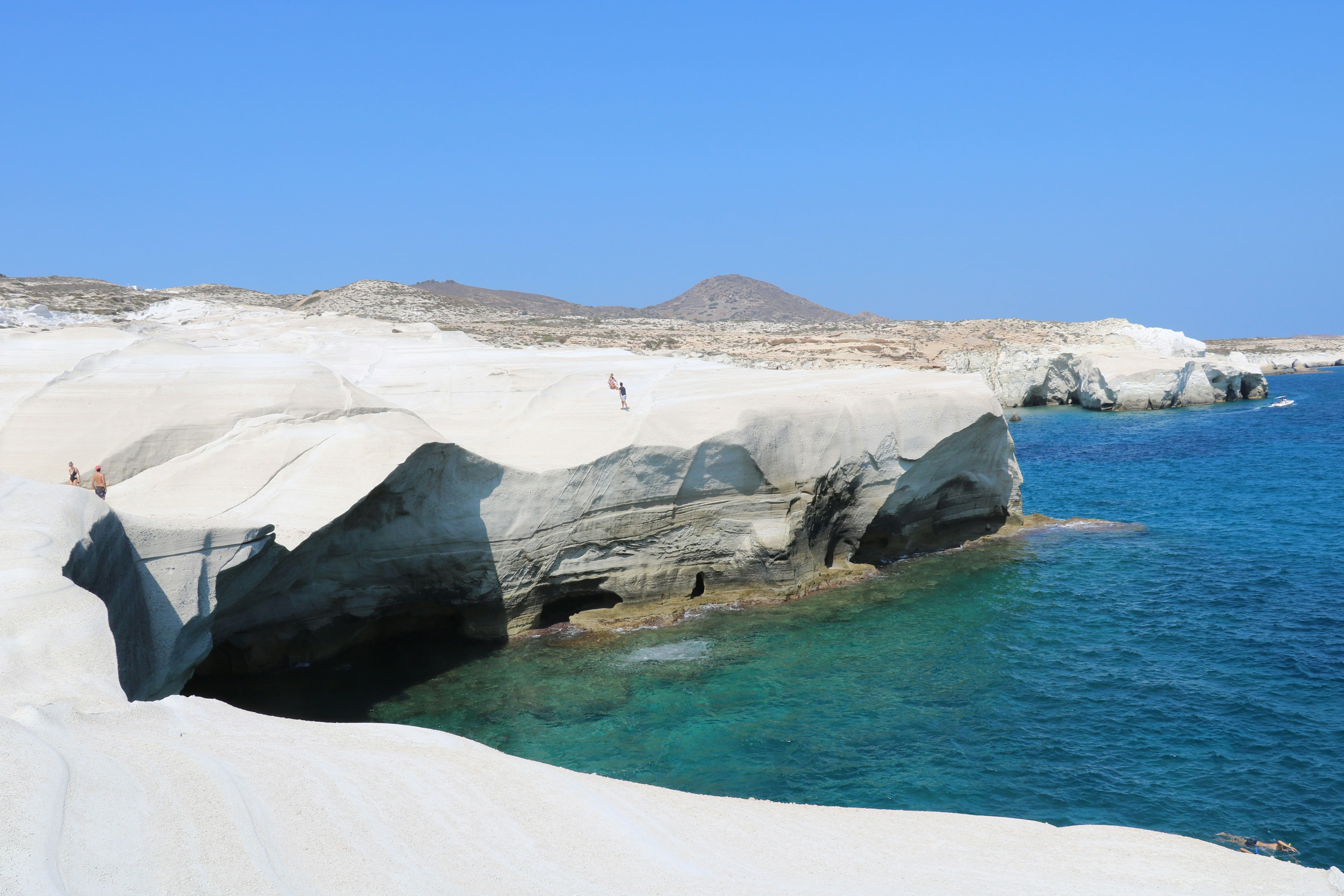
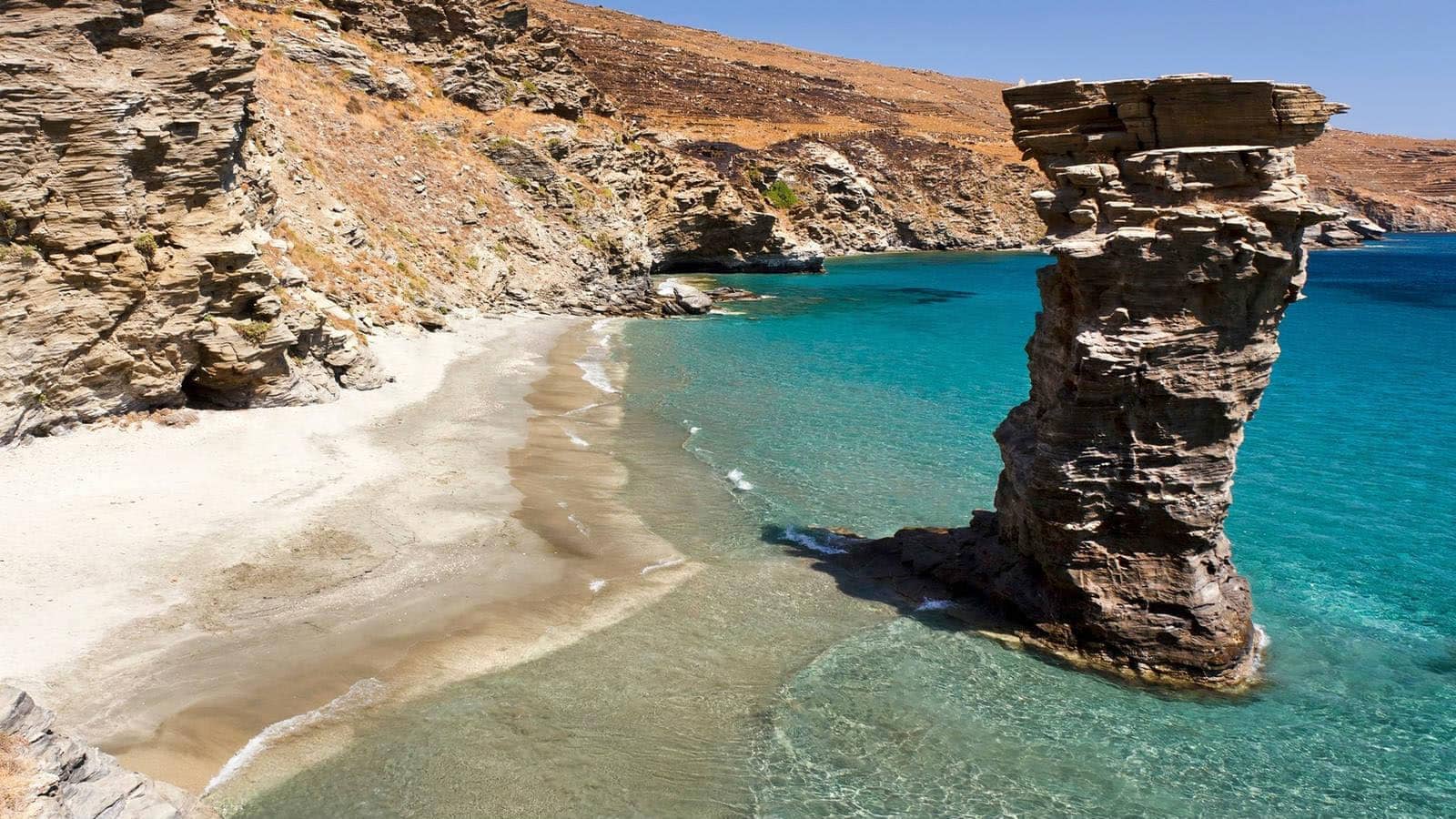
Bizarre white stone structures shaped by the wind and waves. This lunar landscape rising above the blue sea is one of the most famous sights in Greece.
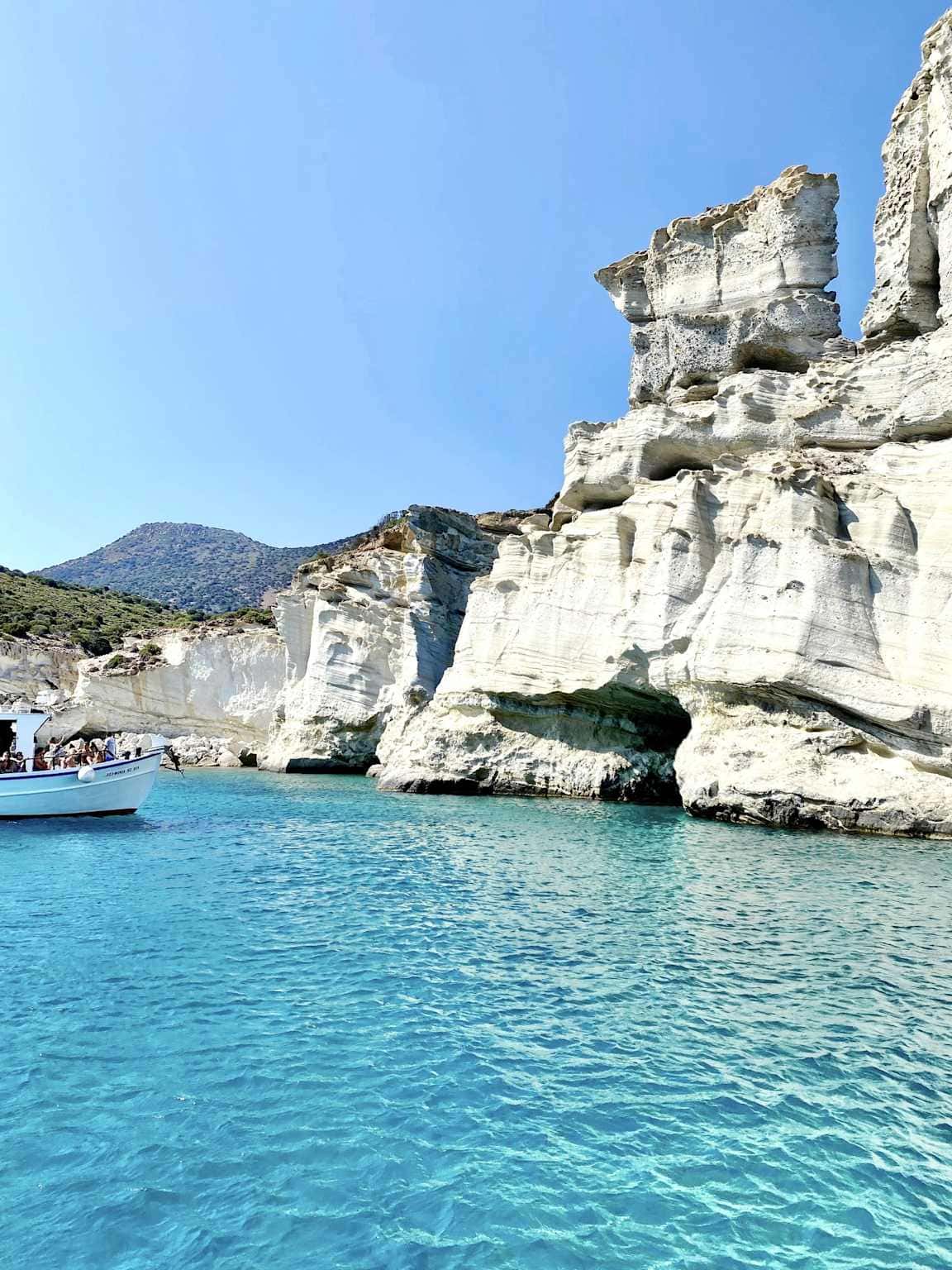
A huge maze of white sea stacks, natural stone arches, and deep caves. Accessible only by boat, it was once a hideout for Aegean pirates.
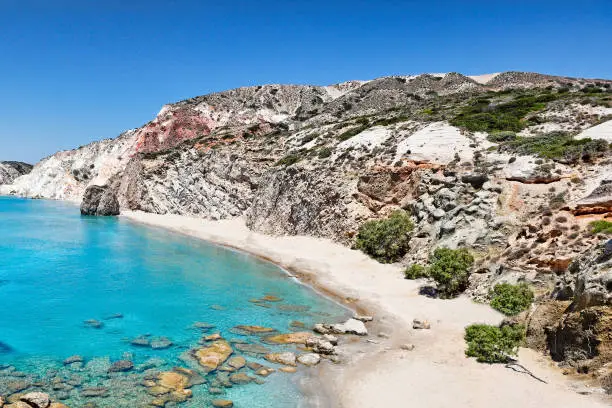
A long sandy beach backed by tall volcanic cliffs striped with yellow, red, and white minerals.
A tiny sandy cove hidden between tall cliffs. You can only reach it by climbing down a near-vertical wooden ladder through a narrow rock gap.
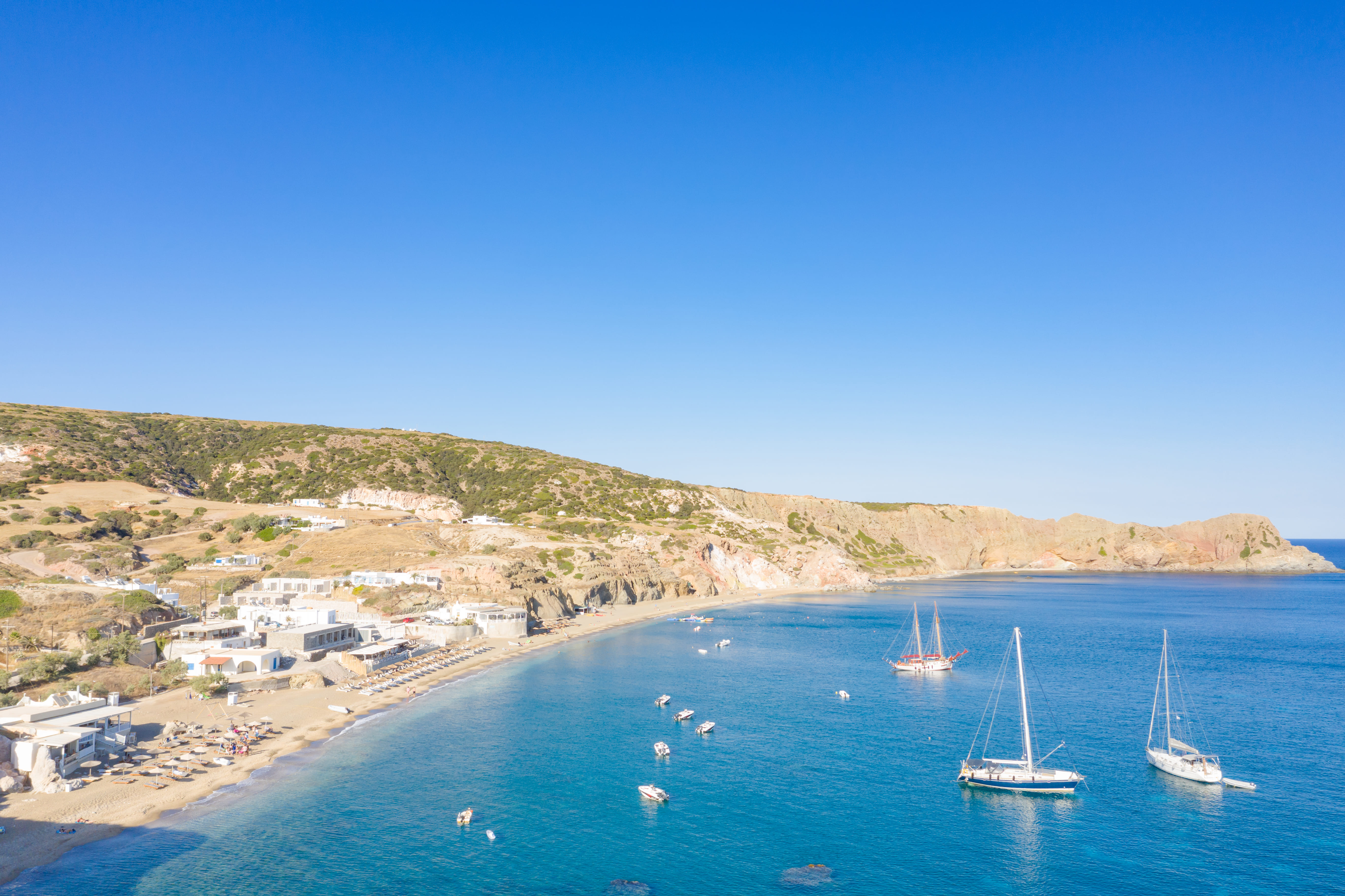
A long beach of colored sand and warm springs. Volcanic heat rises through the seabed, and a local taverna even cooks food buried in the hot sand.
A deep, narrow sea channel cut through the volcanic cliffs, forming a sheltered sand strip with calm water.
Explore every beach and hidden village at your own pace.
The mineral-rich soil and coastal waters produce unique pies, geothermal cooking, and fresh seafood.
Crispy fried pies filled with soft xinomizithra cheese and fresh wild mint.
At Paleochori, tavernas bury clay pots of lamb and potatoes in the geothermal sand to slow-cook them.
A sweet, rustic local cake made from watermelon flesh, sesame seeds, honey, and cinnamon.
Sunsundried octopus grilled over hot coals and served with fresh lemon juice and local wild herbs.
A soft, crumbly cheese with a sour taste, perfect on Greek salads or served on hot barley rusks.
Crunchy wild greens foraged from coastal cliffs, preserved in sea-salt brine and vinegar.
From sunrise to sunset in Milos
Visit Sarakiniko at dawn when the white rocks glow in soft orange light. The sea is completely flat, and you can swim in the narrow cove in total peace.
1.5 hoursBoard a catamaran or sailing boat to explore the south coast. You'll stop to swim through Kleftiko's pirate sea caves and visit remote beaches that you can't reach by car.
7-8 hoursWalk through the rock-carved chambers of the early Christian catacombs. Then, walk up the path to the Roman stone theater for views over the bay.
2 hoursPaddle a sea kayak along the volcanic north coast. You'll pass Papafragas and Sarakiniko, exploring sea caves and rock arches from the water.
4 hoursSnorkel along the colorful volcanic rock walls. You'll see plenty of fish, sponges, and marine life in the clear water beneath the cliffs.
3 hoursHead to Mandrakia or Pollonia for a slow lunch by the water. Try local cheese pies, fresh grilled fish, and a cold beer at a harbor taverna.
2 hoursClimb up to the castle ruins at the top of Plaka. It's one of the highest points on the island, offering wide views of the sea as the sun sets.
1 hourWander through the quiet, lantern-lit alleys of Plaka after the day-trippers have left. Grab a glass of local wine in a small village square.
2 hoursSailing trips, sunset cruises, diving, cooking classes and more.
Find the perfect time for your Milos trip
Ferry routes and travel connections
Fast booking, instant confirmation. Compare operators and prices.
Milos connects to 4 nearby islands by ferry. These are the most popular island-hopping routes from Milos, with direct connections running throughout the season.
The gourmet capital of the Cyclades with pottery villages and stunning hiking trails.
A 20-minute hop to chalk-white landscapes, Poliegos day trips, and unspoiled tranquility.
A clifftop Chora perched 200m above the sea, the most dramatic village in the Cyclades.
A wild hilltop Chora cascading down a rocky peak with golden secluded beaches.
Curated tours and activities
Sail to the legendary Kleftiko sea caves and around the south coast, with swimming, snorkeling, BBQ lunch on board, and multiple hidden beach stops.
Guided kayak tour past Sarakiniko, Papafragas, and Firopotamos with swimming stops in sea caves and hidden coves.
Guided tour of the island's volcanic geology: visit obsidian flows, sulfur mines, colored cliffs, and understand 3 million years of volcanic history.
Insider tips for your Milos trip
Hand-picked Cyclades photography — refreshed weekly from Pexels.
Photography via Pexels — credit shown per image.
Everything you need to know about Milos
Our AI travel assistant knows everything about Milos
One email every two weeks: new beaches, ferry changes, hotel deals. No spam.
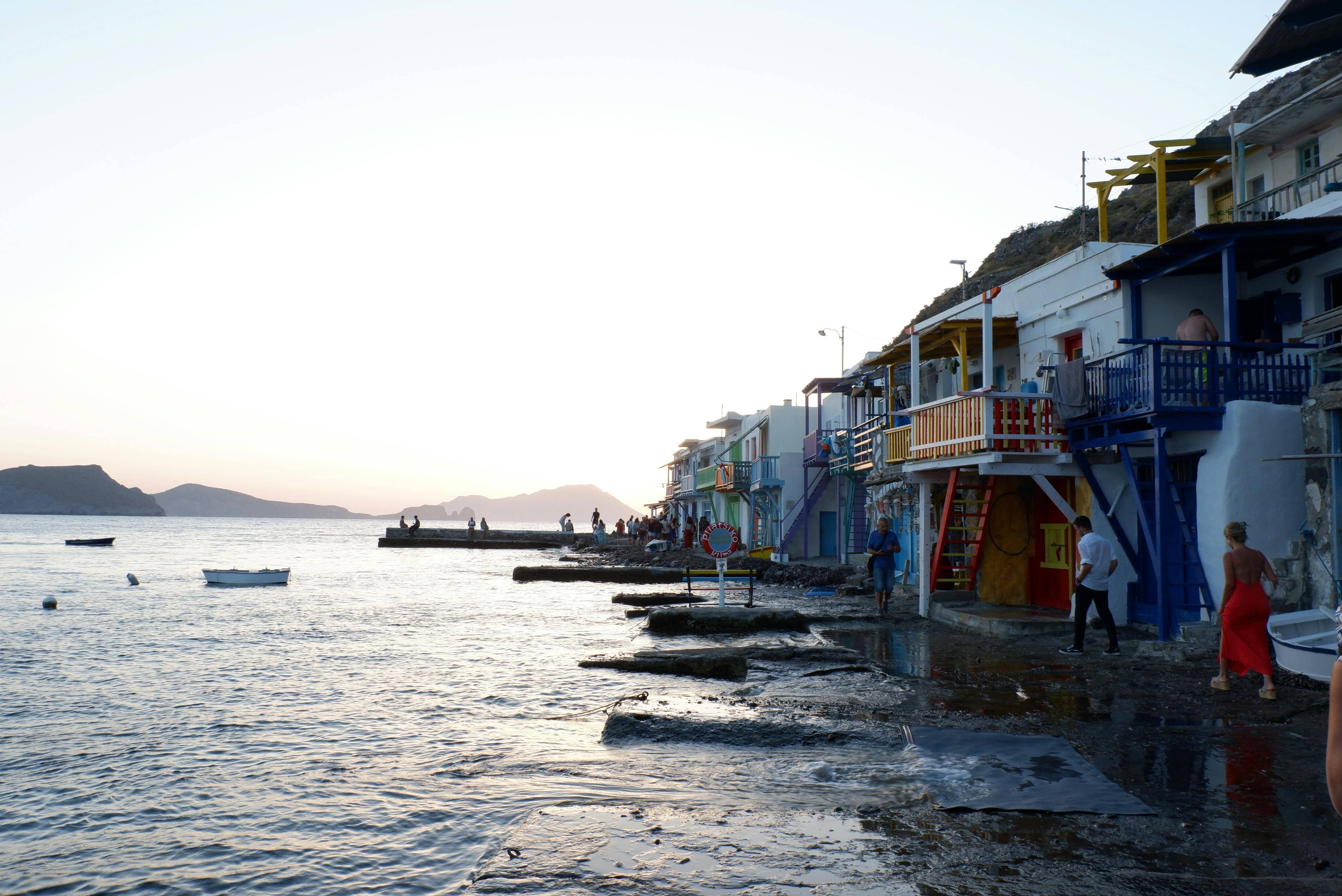
From the white volcanic arches of Sarakiniko to the emerald pirate caves of Kleftiko, from rainbow fishing villages to hot sand beaches, Milos is a natural wonder.